
24/7 Customer Support

Free returns

Same-day & Next-day Delivery

Quality Guaranteed

Unlock Your Welcome Offers: FREE Delivery | Up to 80% OFF | Free 30-day JoyPlus trial
Download the APP
Navigating the world of authentic Japanese ingredients can be a rewarding journey, but it often starts with a simple question: which miso paste is the right one for my kitchen? Faced with tubs labelled shiro miso, aka miso and various blends, it’s easy to feel a bit lost. This guide is designed to help you understand the key differences and select a Japanese seasoning paste that perfectly matches your cooking style, whether you're making a comforting soup, a savoury marinade or a zesty dressing.
As the Joybuy Product Recommendation Officer, my role is to provide clear, practical advice to help you make informed choices. Let's break down what you need to know to buy miso paste online with confidence.
Before we look at specific products, here are a few key points to consider. Understanding these will make your selection process much simpler.
The colour of miso is your first clue to its flavour profile. This is determined by the ingredients and the length of the fermentation process.
Some miso products are blended with other ingredients to create a more complex flavour base from the start. A common example is kombu miso, which is infused with kelp (a type of seaweed). This adds a layer of natural, savoury umami, making it an excellent shortcut for a flavourful miso soup paste as it already contains dashi elements.
Miso is a fermented soybean paste, and salt is a crucial part of its production and preservation. However, the saltiness can vary significantly between types. If you are monitoring your sodium intake, a milder white miso is generally lower in salt than a robust red miso. Always check the nutritional information and ingredients list to ensure it meets your dietary needs.
Based on flavour profile, versatility and authentic character, here are a few standout options available in the UK.
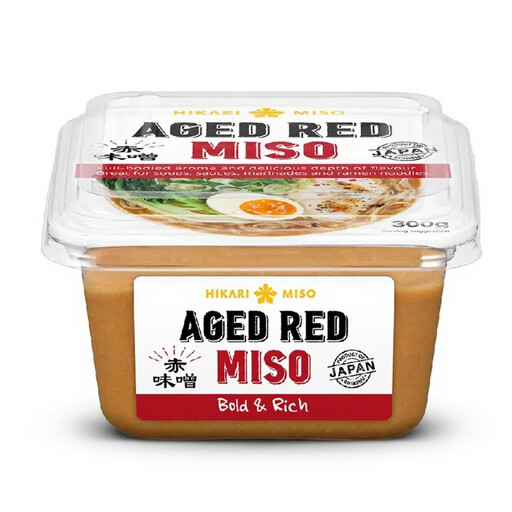
View Hikari Miso Aged Red Miso on Joybuy.co.uk
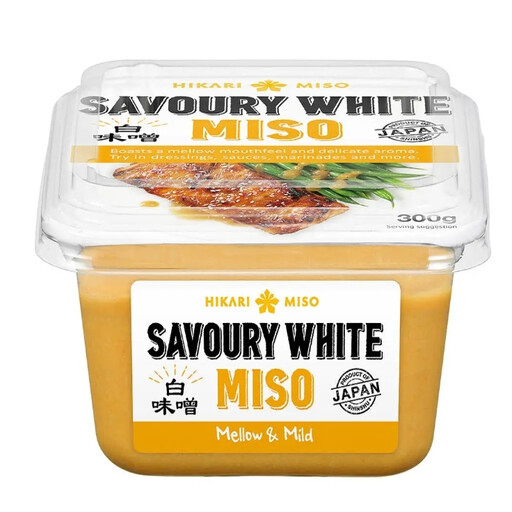
View HIKARIMISO Savoury White Miso on Joybuy.co.uk
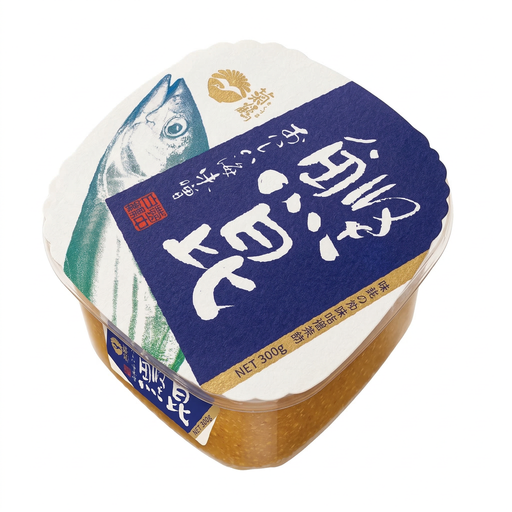
View Shi Quan Master’s Kombu Miso on Joybuy.co.uk
If these recommendations aren't quite what you're looking for, or if you'd like to browse a wider variety of blends and sizes, our full collection has more to offer. Discover other types of 300g soybean paste to find the perfect match for your pantry.
Browse All Soybean Paste Products
The primary difference is in the fermentation time and ingredients. White miso (shiro miso) is fermented for a shorter time with more rice, giving it a mild, sweet taste. Red miso (aka miso) is fermented longer with more soybeans, resulting in a saltier, more intense and savoury flavour.
Once opened, miso paste should be kept in the refrigerator. To maintain its quality, press a piece of parchment paper or plastic wrap directly onto the surface of the paste before sealing the container. This helps prevent it from drying out and oxidising. Miso is a preserved food and can last for many months when stored correctly.
Yes, miso is a fermented product and can be used without cooking, which is common in dressings and dips. When adding it to hot liquids like soup, it's best to stir it in at the end of the cooking process and avoid boiling it vigorously. This helps preserve its delicate flavours and aromatic qualities.