
24/7 Customer Support

Free returns

Same-day & Next-day Delivery

Quality Guaranteed

Unlock Your Welcome Offers: FREE Delivery | Up to 80% OFF | Free 30-day JoyPlus trial
Download the APP
Mixed nuts can be a convenient cupboard snack, desk-drawer option or addition to a UK picnic basket. However, the label on the front of a packet may not tell you how much of the product is actually nuts, how much salt or sugar has been added or whether the pack suits your eating habits.
This guide from the Joybuy Product Recommendation Officer explains the practical checks worth making before buying, from ingredients and nutrition to pack format and allergens. It also highlights suitable options for everyday snacking, entertaining, travel and gifting.
Some products combine nuts with crackers, peas, noodles, seeds or dried fruit. That is not necessarily a problem, but it changes the texture, nutritional profile and allergen list.
For example, a traditional Bombay mix may contain chickpea noodles, lentils, rice and peanuts, while a flavoured mixed nuts product may include seasoning, sugar or oil. Check the ingredient list and percentage breakdown, rather than relying on words such as “original”, “premium” or “natural”.
Nuts are energy-dense. Several products in this category provide around 500–650 kcal per 100g, depending on their ingredients and preparation. Salted mixed nuts, roasted mixed nuts and seasoned varieties may also contain more sodium than plain alternatives.
A smaller serving can be easier to manage. Portion packs are particularly useful at work, while travelling or when you want to avoid repeatedly eating from a large open bag.
Mixed nuts commonly contain peanuts, almonds, cashews, walnuts, hazelnuts or other tree nuts. Flavoured products may also contain milk, soya, wheat, sesame, mustard or gluten through seasonings and coatings.
Always read the current packaging before purchase, especially if buying for guests. UK allergen information can change between batches or pack sizes, and product pages should not replace the label.
For a straightforward snack, look for the percentage of nuts and the named varieties. Mr Filbert’s Simply Sea Salt Mixed Nuts contains 98% roasted mixed nuts, made up of peanuts, cashews and almonds, with sea salt and rapeseed oil. By contrast, a trail mix such as the Wolong Daily Nuts Series A combines almonds, cashews and walnuts with dried cranberries and blueberries.
If you want nuts and dried fruit, check whether the fruit contains added sugar or vegetable oil. If you want a lower-complexity ingredient list, an unsweetened pure nut mix may be more suitable.
The UK nutrition table is normally shown per 100g, making it easier to compare products. Look at:
Nutrition information is not a complete measure of suitability. A seasoned mix may be chosen for flavour and entertaining, while plain nuts may work better as an ingredient for porridge, yoghurt or salads.
A 100g bag is convenient for a lunchbox or an evening snack, but a 500g tin may offer better cupboard value for households that use nuts regularly. Portion packs reduce the need to measure servings and are practical for commuting, office storage and flights.
For freshness, follow the stated storage instructions. Most products should be kept in a cool, dry place, away from direct sunlight. Reseal opened packs or transfer them to an airtight container, particularly when the mix includes crunchy crackers or dried fruit.
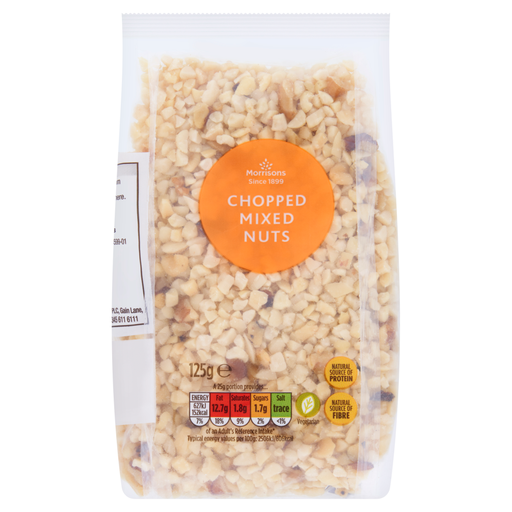
Why This Fits Their Persona: A simple option for shoppers who want a compact everyday pack with familiar ingredients for snacking or cooking.
The ingredients clearly identify peanuts at 70%, almonds at 15% and walnuts at 15%, rather than presenting an unspecified mix.
125g pack; 24g protein and 11.9g fibre per 100g according to the listed nutrition information.

Why This Fits Their Persona: Suitable for a drinks table, dinner gathering or gift basket where a distinctive savoury flavour is more important than a large pack.
The product specifies an 80% almond, cashew and hazelnut mix, alongside the truffle seasoning and sea salt.
100g ready-to-eat pack; listed nutrition provides 22g protein and 1.4g salt per 100g.
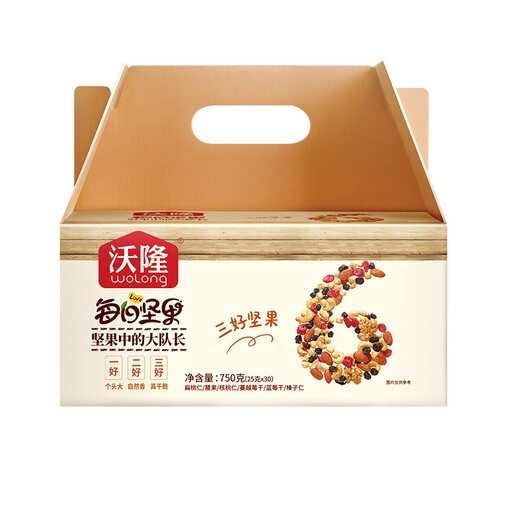
Why This Fits Their Persona: The 30 individual 25g packs are suited to desk drawers, commuting, travel and planned daily portions.
The total weight is clearly divided into 30 sealed servings, reducing reliance on estimating portions from a large bag.
Contains almonds, cashews, walnuts and dried berries; 750g total with individual 25g packs.
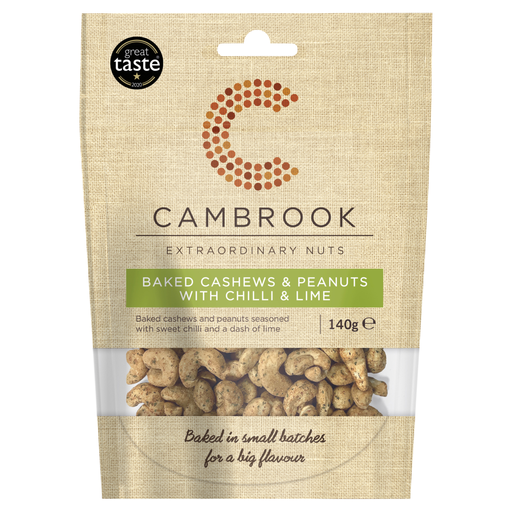
Why This Fits Their Persona: A ready-to-eat choice for people who prefer spicy nuts with a citrus note at gatherings or alongside a cold drink.
The recipe identifies cashews at 61%, peanuts at 33% and a 3% spicy seasoning, so the flavouring is not presented as an unspecified coating.
140g pack; baked recipe with chilli and 0.7% lime ingredient listed in the seasoning details.
We have compiled a complete, real-time list of products that fully satisfy these strict selection criteria and UK safety regulations.
They can be easier to portion when sold in individual sachets, such as 23g or 25g packs. For larger bags, check the nutrition table and measure a serving into a bowl rather than eating directly from the packet.
Roasting changes texture and flavour but does not by itself determine whether a product suits you. Compare the full ingredients and nutrition panel. Added salt, sugar, oil and seasoning are the more relevant differences between individual products.
Keep them sealed in a cool, dry cupboard and follow the packaging instructions. Resealing helps preserve crunch, while an airtight container can be useful for larger packs. Check the best-before information and avoid eating products with an unusual smell, taste or appearance.