
24/7 Customer Support

Free returns

Same-day & Next-day Delivery

Quality Guaranteed

Unlock Your Welcome Offers: FREE Delivery | Up to 80% OFF | Free 30-day JoyPlus trial
Download the APP
Buying mixed vegetables can make weekday meals easier, but the category includes very different products: frozen steam bags, tinned stir-fry vegetables, oil-packed antipasti, Japanese vegetable pickles, snacks and hot pot ingredients. Choosing by the front-of-pack image alone can lead to unsuitable storage, unexpected allergens or a product that does not match the meal you intend to cook.
This guide explains the practical details UK shoppers should check before buying, followed by Our Top Recommendations for 2026 for different household needs.
Some products can be served directly from the pack, while others must be heated thoroughly. Frozen mixed vegetables such as steam-bag products should generally be cooked from frozen according to the packaging. By contrast, pickles and antipasti are usually ready to eat after opening.
Tinned mixed vegetables may also require draining and cooking. For example, the Tiger Tiger Stir-Fry Vegetables product instructions specify draining excess liquid and stir-frying until piping hot. Always follow the product label rather than assuming that every vegetable mix is suitable for immediate consumption.
A vegetable-based product is not automatically low in salt or fat. Oil-packed vegetables, pickled vegetables and hot pot condiments can contain considerably more salt or oil than plain frozen vegetables.
For comparison, Cooks & Co Saporiso Mixed Veg in Oil lists 12g of fat and 2.70g of salt per 100g drained. Yutaka Shibazuke Mixed Vegetable Pickles lists 3.8g of salt per 100g, while the Tiger Tiger product information lists 11.1g of salt per 100g. These figures may suit small portions as a condiment, but they are important when planning everyday serving sizes.
Storage affects both convenience and food safety. Frozen products need a freezer operating at -18°C or colder and should not be refrozen after defrosting. Ambient jars and tins may be easier to store, but many need refrigeration once opened.
Check whether the product must be consumed within a stated period. Cooks & Co advises refrigeration after opening and consumption within seven days, while Yutaka Shibazuke Mixed Vegetable Pickles should be refrigerated and consumed by the date indicated after opening.
Choose the format around your meal plan:
Use the per-100g panel to compare products, but also consider how much you will eat. A small spoonful of pickles may be used alongside rice, whereas a 540g frozen bag could supply several side portions.
Look for the quantities of salt, fat, saturates and sugars, especially in oil-packed, preserved or seasoned products. People managing allergies or dietary restrictions should read the complete ingredient list every time, as recipes and packaging can change.
Some mixed vegetables are suitable for vegans, while others contain fish sauce, sesame oil, soya, wheat or mustard. Birds Eye Steamfresh vegetable mixes list no allergens in the supplied product information. Cooks & Co Saporiso Mixed Veg in Oil is labelled vegetarian and vegan, whereas Mrs Elswood Turmeric Kimchi contains fish from anchovy sauce.
For a plant-based shopping basket, do not rely solely on words such as “vegetable” or “Asian-style”. Check the ingredients and allergen statement before purchase.
The following selections are matched to different shopping profiles rather than ranked against one another.
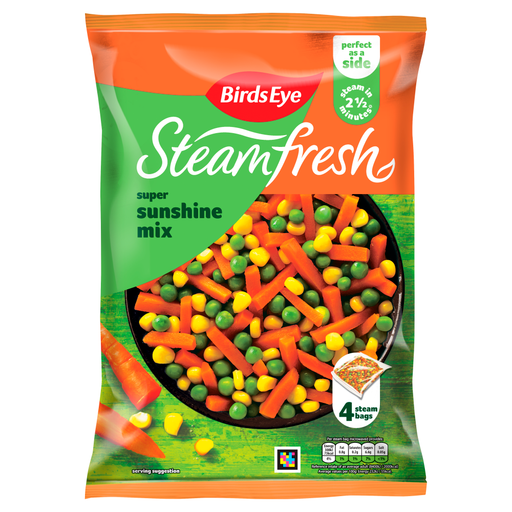
Why This Fits Their Persona: Four individual steam bags provide a straightforward option for busy UK households that want a portion-controlled vegetable side dish with minimal preparation.
The product is clearly a frozen, cook-before-eating option, so it is less likely to be mistaken for a ready-to-eat vegetable snack.
Contains carrots, peas and sweetcorn; the supplied information lists 73 kcal and 0.05g salt per microwaved steam bag.
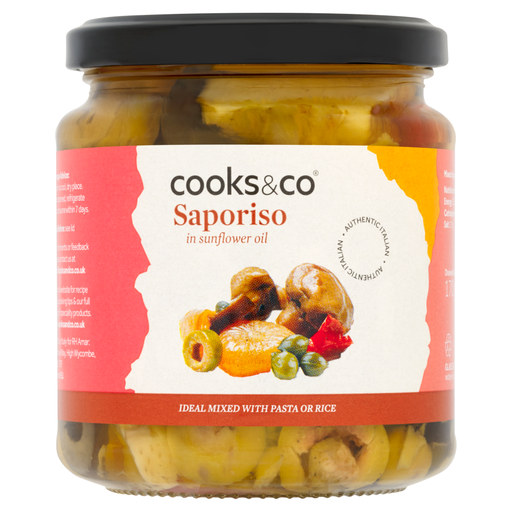
Why This Fits Their Persona: Shoppers assembling antipasti boards or Mediterranean-style vegetable side dishes may prefer a mixed jar containing olives, onions, artichokes, mushrooms, paprika and capers.
The drained nutrition panel makes the oil content easier to assess, while the storage instructions specify refrigeration after opening.
The supplied product information labels it vegetarian and vegan; it can be served as an antipasti ingredient or drained into salads and sandwiches.
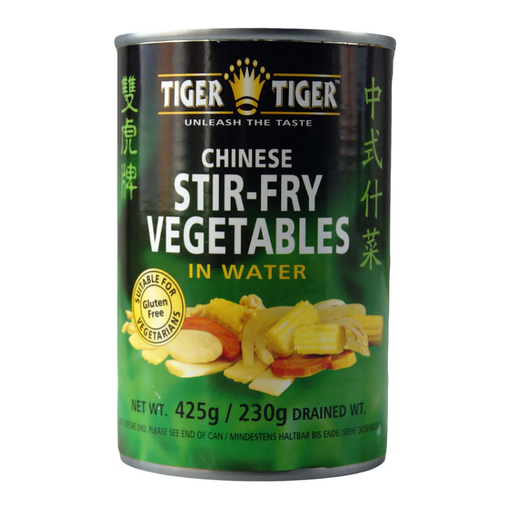
Why This Fits Their Persona: Regular home cooks preparing Chinese-style meals can keep a tin in the cupboard for stir-fries with tofu, meat or seafood.
The instructions state that the contents should be drained and cooked, helping prevent raw consumption. The high listed salt value makes label checking essential.
A 425g tin reduces chopping and peeling; the supplied instructions suggest high-heat cooking for approximately three to five minutes.
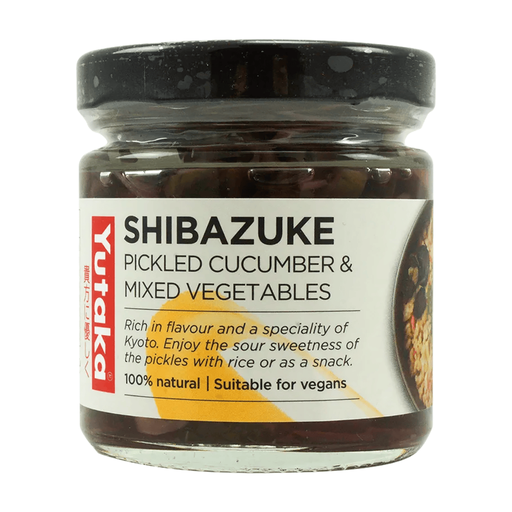
Why This Fits Their Persona: A compact Japanese condiment for shoppers serving rice, noodles, bento-style meals or grilled dishes at home.
The pack is positioned as a ready-to-eat pickle rather than a cooking vegetable, and the label states that it should be refrigerated.
The mix includes cucumber, aubergine, ginger and shiso leaf; the supplied nutrition information lists 25 kcal per 100g.
We have compiled a complete, real-time list of products that fully satisfy these strict selection criteria and UK safety regulations.
They can be a convenient part of a varied diet when cooked according to the packaging. Steam bags, loose frozen vegetables and frozen edamame are useful for side dishes, noodles and stir-fries. Check the pack for cooking times, freezer temperature and instructions about refreezing.
There is no single lifespan. Ambient tins and jars have a printed best-before date while unopened, but opened products may need refrigeration and quick consumption. Follow the individual label: examples in this guide range from using within seven days for an opened oil-packed jar to consuming pickles promptly after opening.
“Healthy” depends on the rest of your diet and portion size, so compare the nutrition panel rather than relying on front-of-pack wording. Pickled vegetables may be high in salt, while vegetable crisps can be concentrated in calories because water is removed and oil or seasoning may be added. Use them as measured side dishes or snacks, and check ingredients for allergens.