
24/7 Customer Support

Free returns

Same-day & Next-day Delivery

Quality Guaranteed

Unlock Your Welcome Offers: FREE Delivery | Up to 80% OFF | Free 30-day JoyPlus trial
Download the APP
Mixed vegetables can make weekday cooking easier, but the wrong format may leave you with watery stir-fries, overly salty side dishes or a freezer full of products you rarely use. Whether you are shopping for frozen mixed vegetables, tinned vegetables, pickled vegetables or ready-to-eat vegetable side dishes, the useful choice depends on how you cook and how quickly you need food on the table.
This guide from the Joybuy Product Recommendation Officer focuses on practical buying details rather than exaggerated packaging claims.
A steam bag may be convenient for serving alongside a roast, but it may not suit a high-heat wok dish. Similarly, a pickled product can be ready to eat but may dominate a mild salad or rice bowl with its sharp, salty flavour.
Before buying, consider the meal you actually prepare:
The phrase “vegetable side dish” does not necessarily mean a low-salt product. Pickled mustard greens, spicy radish and seasoned preserved vegetables often contain salt, oil, sugar or flavourings. For example, some pickled products in this range list more than 4g of salt per 100g, so portion size matters.
Read the nutrition panel and ingredient list, especially when buying:
Plain frozen vegetables usually give you more control over seasoning. Ready-to-eat products provide speed and flavour, but may need to be balanced with plain rice, noodles or fresh salad ingredients.
Frozen mixed vegetables need uninterrupted freezer storage, generally at -18°C or below, while tinned vegetables are normally ambient products until opened. Pickled vegetables may be shelf-stable before opening but usually require refrigeration afterwards.
Do not assume that a product described as “ready to eat” can always be eaten straight from the pack. Some tinned stir-fry products still require thorough cooking. Always check the packaging, allergen declaration and preparation instructions before serving.
For a quick lunch or evening meal, frozen vegetables can be efficient because they are already prepared. Birds Eye Fresh Garden Mix Steam Bags, for instance, contain carrots, peas and green beans and are designed for cooking in around three minutes. This is a practical format for households that want a measured portion with limited washing-up.
Tinned vegetables are useful for cupboard storage. However, drain and rinse where appropriate, then follow the product’s cooking guidance. Tinned straw mushrooms, for example, should be drained, rinsed and cooked thoroughly before serving.
A short ingredient list makes it easier to understand how a product will fit into your meals. Plain options include:
For seasoned or pickled vegetables, inspect the full list for oil, sugar, chilli, soya, wheat, sesame and preservatives. This is particularly important for vegetarian, vegan and allergy-aware households.
A large pack may offer better value only if you can use it before quality declines. Frozen products are convenient for repeated meals, while small jars or pouches of pickled vegetables may be more suitable if you use them as a condiment.
Check the net quantity, drained weight where provided and storage life after opening. For example, opened tinned vegetables commonly need transferring to a non-metallic container and refrigerating, while some pickled products should be consumed within a week or according to the packaging.
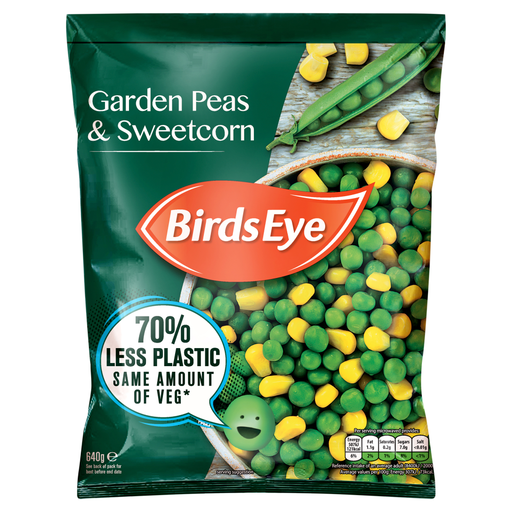
Why This Fits Their Persona: A straightforward freezer staple for families, students and shoppers building an everyday vegetable supply.
The ingredients are listed as peas (70%) and sweetcorn (30%), avoiding a complicated seasoned sauce when you want control over flavour.
Frozen storage, no artificial colours, flavours or preservatives listed and 4.9g of fibre per 100g according to the product information.
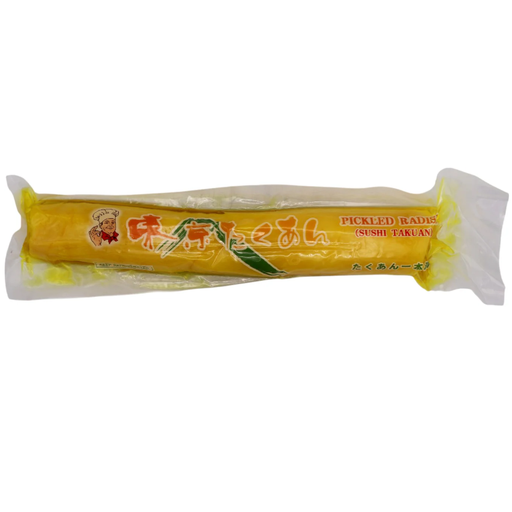
Why This Fits Their Persona: Suitable for shoppers seeking a defined Japanese-style accompaniment for sushi, ramen, rice bowls and bento meals.
The product purpose is clear: it is a ready-to-eat pickled radish rather than a general-purpose frozen vegetable mix. It also lists wheat and soya beans, making allergen checking easier.
Ready to eat, supplied in a 500g pack, with a stated 1.8g salt per 100g and refrigeration guidance after opening.
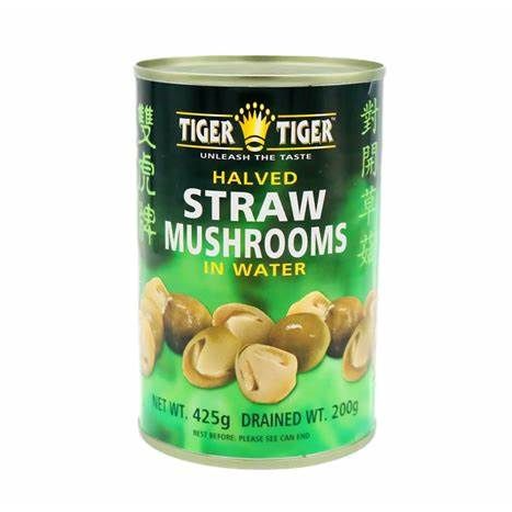
Why This Fits Their Persona: A practical tinned ingredient for people who regularly cook Asian vegetables, noodle soups, curries and wok dishes.
The product is packed in salted water rather than presented as a heavily seasoned ready-to-eat dish, so it can be rinsed and incorporated into different recipes.
The 425g tin contains mushroom halves, with approximately 15 kcal per 100g drained and clear instructions to drain, rinse and cook thoroughly.

Why This Fits Their Persona: Designed for fast wraps, fajitas, stir-fries and vegetable side dishes when preparation time is limited.
The pack clearly identifies peppers and onions, while the listed celery allergen and seasoning ingredients help you assess suitability before purchase.
A 500g pack with a stated 5–7 minute high-heat cooking time; the product information lists it as suitable for vegans.
For additional variety, compare chopped spinach for curries and soups, garden peas and sweetcorn for family meals or edamame for a plant-based snack and side dish. Sauerkraut and pickled beetroot offer tangy accompaniments, while pickled radish and preserved mustard greens work well with Asian rice and noodle dishes.
We have compiled a complete, real-time list of products that fully satisfy these strict selection criteria and UK safety regulations.
Yes. Frozen vegetables can be used in soups, curries, pasta, rice dishes and side dishes. Keep them frozen until needed, follow the cooking instructions and do not refreeze after thawing. They are particularly useful when you want vegetables available without frequent fresh-food shopping.
The answer depends on pack price, drained weight, portion size and waste. Tinned vegetables have the advantage of ambient storage before opening, while frozen products can be portioned over several meals. Compare the usable quantity rather than the headline pack weight.
Follow the label instructions. Many pickled vegetables need refrigeration after opening and should be consumed within a stated period. Use clean utensils, keep the contents covered by their liquid where applicable and check the product for allergen and salt information before serving.