What should you check before buying?
Decide whether the purchase is for fuel during a long run or for a separate drink. Then compare the relevant label information and pack format.
| Priority |
What to check |
Your needs |
| Carbohydrate plan |
For a long run, check carbohydrate per serving and how often you intend to consume it. World Athletics lists 30–60 g per hour for 1–2.5 hours of exercise and up to 90 g per hour beyond 2.5 hours. Practise the complete plan in training. |
I need a repeatable way to consume my planned carbohydrate amount during a prolonged run, rather than choosing by can count or flavour alone. |
| Fizz and timing |
Check whether the drink is carbonated and consider when you would drink it. The NHS identifies fizzy drinks as a possible contributor to gas and bloating; your own response matters when practising a running routine. |
If fizz tends to leave me bloated, I would rather keep it separate from drinks I use before or during a run. |
| Label and pack |
Compare carbohydrate and sugar per 100 ml and per can, then check ingredients, allergens, can size and pack count on the current product label. |
For a mixer I plan to drink on another occasion, I want the flavour and contents of the exact variant to suit me. I also need to know how much drink the multipack contains. |
Which mixer brands are relevant?
These are references for choosing a mixer for a separate occasion, not endorsements of mixers as marathon fuel.
Fever-Tree
Fever-Tree describes its Indian tonic waters as mixers for spirits and offers regular and Refreshingly Light variants.
- The named variants provide a choice of tonic styles for a separate drink.
- The brand’s mixer positioning and lower-calorie variant do not establish a long-run carbohydrate plan.
Schweppes
Tesco Groceries has listed regular and slimline Schweppes tonic water in 12 × 150 ml can packs.
- The listed can format makes the pack size straightforward to compare with other multipacks.
- Check the current variant’s label before deciding what role, if any, it has in your drinking routine; tonic format alone says nothing about a long-run fuelling plan.
Fentimans
Fentimans presents its tonic waters as mixers. Its published information for Premium Indian Tonic Water lists 4.4 g carbohydrate and less than 0.01 g sodium per 100 ml.
- Those per-100 ml figures give you a basis for comparing the named tonic with the label of another drink.
- The figures describe that tonic, not every Fentimans variant or a complete endurance-fuelling routine.
Britvic
Britvic’s soft-drink portfolio includes mixers. Its 2016 range announcement mentioned 150 ml mixer cans.
- The announcement identifies a canned mixer format to recognise when comparing pack configurations.
- For a purchase now, check the specific current product’s format and label rather than relying on the 2016 announcement.
Bottled sports-drink options on Joybuy
These products are sports drinks in bottle multipacks, rather than mixer cans. If you are buying for long-run fuelling, compare each drink’s current carbohydrate label with the amounts and timing in the plan you practise during training.
 No image available
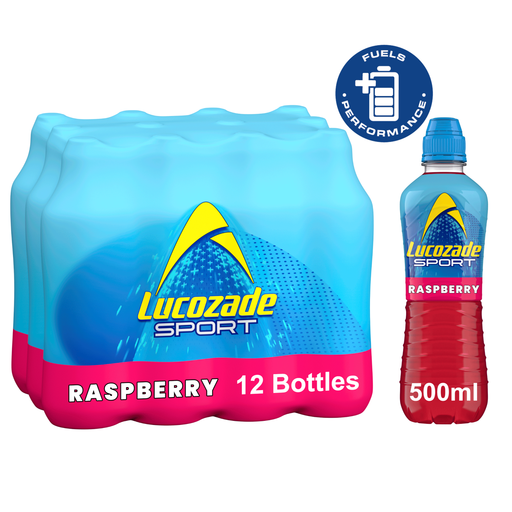
Lucozade Sport Raspberry Isotonic Sports Drink, 12 × 500 ml
This bottled sports-drink multipack is an option to assess for a planned training routine, not a substitute for working out intake over the whole run. The pack contains 12 × 500 ml bottles. Check the current carbohydrate declaration per bottle and whether the drink suits the routine you practise.
View on Joybuy
 No image available
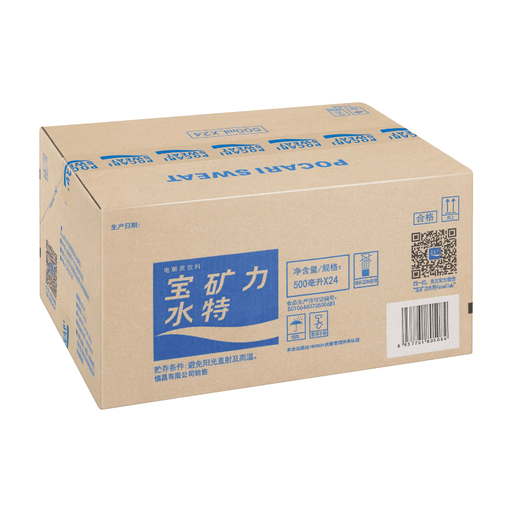
Pocari Sweat Sports Drink, 24 × 500 ml
This is another bottled option to compare with a long-run drink-and-fuel plan, rather than a mixer-can purchase. The pack contains 24 × 500 ml bottles. Check the current label for carbohydrate per serving and practise the amount and timing you intend to use.
View on Joybuy
Common questions
Can tonic water be my main fuel for a marathon long run?
Do not choose a tonic multipack as the basis of a long-run carbohydrate plan. World Athletics lists 30–60 g of carbohydrate per hour for 1–2.5 hours of exercise and up to 90 g per hour beyond 2.5 hours. Choose a drink, gel or food-based routine by the carbohydrate amount you intend to consume and practise it in training.
Should I drink mixer cans before or during a run?
If fizzy drinks tend to leave you bloated, they may be a poor fit around your run. The NHS identifies fizzy drinks as a possible contributor to gas and bloating. Practise any drink routine you intend to use while running rather than trying it for the first time at an event.
What should I compare on a mixer multipack?
Check the current label for can size, pack count, carbohydrate and sugar values, ingredients, allergens and date marking. Compare nutrition per 100 ml as well as per can, since a different can size changes the amount in a single serving.
Does a light or slimline mixer make more sense for long-run fuel?
A light or slimline name does not show that a mixer fits a long-run carbohydrate plan. It may be a choice for a separate drinking occasion; for fuelling, compare the exact product’s carbohydrate declaration with the amount and timing you plan to practise.


