Marathon trainees planning their drinks
You want to distinguish routine hydration from fuelling for demanding sessions rather than use one drink for every run.


Do not choose a tonic or other mixer multi-pack as a substitute for a marathon-training fuelling plan. The British Dietetic Association identifies carbohydrate as the main fuel for exercising muscles, while mixer makers position their tonic waters as leisure drinks. Use water for routine hydration, plan exercise fuelling around the session, and choose mixers separately if you want them for flavour.
You want to distinguish routine hydration from fuelling for demanding sessions rather than use one drink for every run.
You want tonic, ginger ale or lemonade for a non-training occasion without treating it as a purpose-designed exercise drink.
You want to check can size, total volume and how much you will use before choosing a pack.
Choose when: You need a drink for ordinary use across your training week.
Trade-off: Water does not provide the carbohydrate needed in a carbohydrate-focused fuelling plan.
Choose when: The demands of a training session call for planned carbohydrate intake.
Trade-off: A drink containing sugar is not, by that fact alone, suited to your session or wider plan.
Choose when: You want the flavour of a mixer outside training.
Trade-off: Its intended use does not establish that it meets your exercise-fuelling needs.
Once you know which role the drink will serve, check its label and pack format against that use.
| Priority | What to check | Your needs |
|---|---|---|
| Exercise fuel | Check carbohydrate per 100 ml and the intended use of the drink. Fit any intake into the plan for the particular session. | For a demanding run, I want to plan fuelling rather than assume a mixer’s sugar makes it suitable. |
| Routine hydration | Consider water for everyday drinking. Compare sugar declarations per 100 ml if choosing a flavoured drink instead. | I want a straightforward drink for ordinary training days, without treating every run as a fuelling session. |
| Pack format | Check the number and size of bottles or cans, total volume and storage instructions. | Will I use this pack for the occasions I have in mind? A home multi-pack may not be convenient to carry on a run. |
The British Dietetic Association identifies carbohydrate as fuel for exercising muscles, but that does not establish that every drink containing sugar fits a particular run.
Plan exercise fuelling around the session; choose a mixer for its intended leisure use.
A lighter variant changes the choice within a mixer range, not the drink’s intended role. The NHS identifies water as a hydration choice.
Compare mixer labels when choosing a leisure drink, and consider water separately for routine hydration.
Fever-Tree positions its Premium Indian Tonic Water for serving with spirits.
Tesco lists Schweppes tonic and Sainsbury’s lists its Original Lemonade in 12 × 150 ml can packs.
Fentimans offers Premium Indian and Naturally Light tonic waters as part of its mixer range.
Britvic described classic and zero-sugar Indian tonic variants in its 2023 grocery launch material.
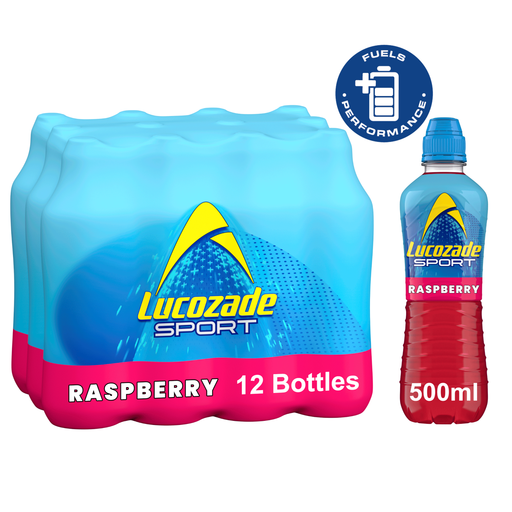
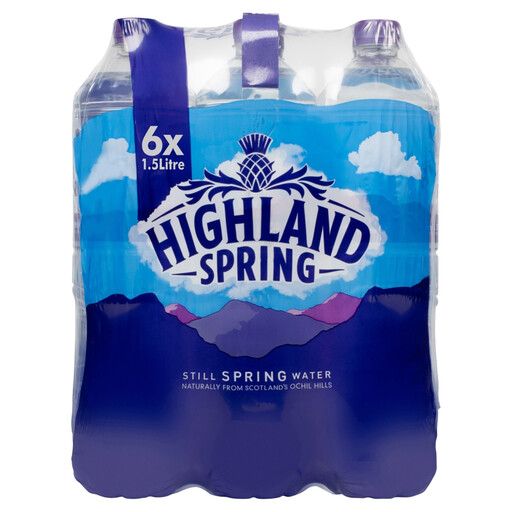
These options represent two different training-drink roles: a sports drink to consider within a planned fuelling approach and still water for routine hydration. Neither is a mixer.
 No image available
A sports-drink option to consider if carbohydrate intake forms part of your plan for a particular session; the pack contains 12 × 500 ml bottles. Check the ingredients if phenylketonuria affects your choice: the listing states that it contains aspartame, a source of phenylalanine, and is not suitable for people with phenylketonuria.
 No image available
Still water for routine hydration at home, supplied as six 1.5 L bottles. It does not provide carbohydrate for an exercise-fuelling plan. The listing says to refrigerate after opening and use within 7 days.
Not as a general choice. The British Dietetic Association identifies carbohydrate as fuel for exercising muscles, but tonic makers position their products as mixers. Choose exercise fuelling according to the session rather than assuming any drink containing sugar will fit your plan.
Water is a straightforward starting point. NHS guidance identifies water as a hydration choice; consider the demands of a particular session separately from everyday drinking.
No. A light variant changes the choice within a mixer range, not its intended use. Compare its nutrition declaration with the regular variant if choosing a leisure drink, and plan exercise fuelling separately.