Gym-goers who want a fizzy drink
Individual bottles may suit an occasional chilled drink after a routine workout. If replacing fluid lost through sweating is the main aim, the NHS recommends water.


A case of 12 mixers can provide individual fizzy drinks after the gym, but it should not replace a recovery snack. The NHS recommends water for replacing fluid lost through physical activity; when quick refuelling is needed, the British Dietetic Association advises carbohydrate-rich food and fluids. Choose soda water if you want fizz without sugar from the drink, or compare tonic labels if its flavour is the reason for buying a case.
Individual bottles may suit an occasional chilled drink after a routine workout. If replacing fluid lost through sweating is the main aim, the NHS recommends water.
A 12-pack offers individual serves, but the word ‘slimline’ is not a substitute for checking the current sugar, sweetener and serving information on the label.
A mixer can accompany food, but it is not a recovery snack. The British Dietetic Association advises carbohydrate-rich food and fluids when quick recovery is required.
Decide whether you need a drink, food for refuelling, or both before choosing a flavour and pack format.
| Priority | What to check | Your needs |
|---|---|---|
| Fluid after sweating | Consider what you will drink to replace lost fluid. The NHS recommends water after physical activity. | After a sweaty session, I want a drink, but I do not need tonic flavour to meet that aim. |
| Quick refuelling | If you need quick recovery, plan carbohydrate-rich food and fluids, as the British Dietetic Association advises. Do not count a mixer as the snack. | When another demanding session is coming soon, I need to think about food as well as what is in my bottle. |
| Sugar and serving size | Compare sugar and energy per 100 ml and per bottle on the current label. Fentimans lists 0 g sugar per 100 ml for its Soda Water; Tesco describes Schweppes regular Tonic Water as containing sugar and sweetener. | If I will drink from the case regularly, I want to know what each serving contains rather than rely on ‘slimline’ or ‘regular’ alone. |
| Flavour and quinine | Choose tonic for its intended flavour; check its ingredients if quinine matters to you. Compare it with soda water when you do not want tonic bitterness. | I would choose tonic because I like its taste, not because the word ‘tonic’ suggests a recovery benefit. |
| Pack format | Check the number of bottles and volume per bottle against the occasions you have planned. Tesco lists both Schweppes tonic variants as 12 x 150 ml. | Twelve small bottles suit me only if that serving size and number of drinks match how I expect to use the case. |
A fizzy drink does not automatically provide the food needed for quick refuelling. The British Dietetic Association advises carbohydrate-rich food and fluids when quick recovery is required.
Plan food separately if you need to refuel; have the mixer as an optional drink rather than the recovery plan.
The name does not tell you the current sugar, energy or sweetener content of each bottle.
Read the ingredients and nutrition declaration, including the serving size, before making a 12-pack a regular purchase.
Quinine in tonic water is not a reason to use the drink as a treatment. UK Medicines and Healthcare products Regulatory Agency guidance says quinine should not be used routinely for nocturnal leg cramps.
Choose tonic for flavour, not for a presumed treatment effect. Seek medical advice about recurrent cramps or a previous reaction to quinine.
A tonic range to consider when the flavour of the mixer matters.
Tesco lists both regular and Slimline Tonic Water in 12 x 150 ml packs.
Its Soda Water and Premium Indian Tonic Water illustrate different choices for fizz and tonic flavour.
Britvic positions its Club Mixers as drinks for mixing with spirits.
These 12 x 150 ml tonic cases are options if you want individual tonic serves after the gym or for another occasion. Compare their labels for your intended use; neither replaces food when you need to refuel.
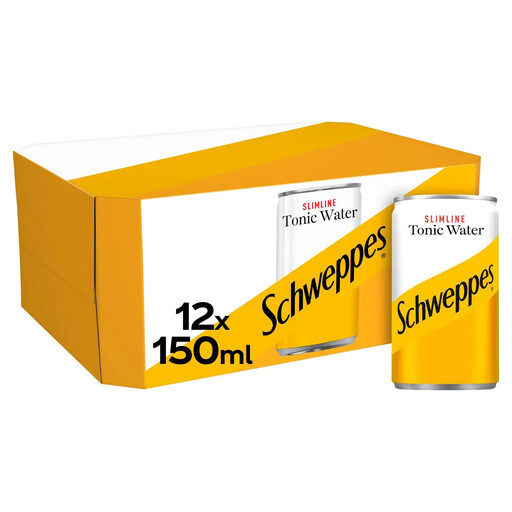 No image available
An option when you want individual tonic serves; check the current label for sugar, sweeteners and other ingredients that matter to you. A mixer is not a substitute for food when quick refuelling is needed.
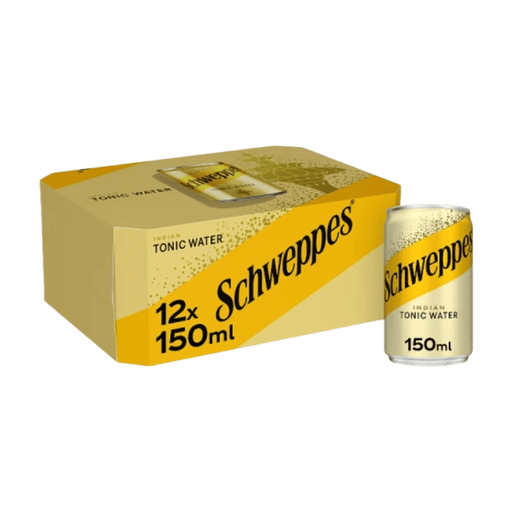 No image available
An option when you want individual serves of regular tonic; check the current sugar, sweetener and serving information if you expect to drink it regularly. For replacing fluid lost through exercise, the NHS recommends water.
No: a mixer may be a drink alongside food, but it is not automatically a recovery snack. When quick recovery is needed, the British Dietetic Association advises starting to refuel with carbohydrate-rich food and fluids after exercise.
Tonic water can contribute fluid, but the NHS recommends water for replacing fluid lost through physical activity. Choose tonic when you want its flavour, and check its label if sugar content affects your choice.
If you want tonic flavour in a 12-pack, compare the current sugar, energy and ingredient declarations before choosing. Tesco lists both Schweppes variants as 12 x 150 ml and describes its regular Tonic Water as containing sugar and sweetener; the word ‘slimline’ alone does not establish the nutritional difference.
No. Do not choose tonic water as a treatment for cramps. UK Medicines and Healthcare products Regulatory Agency guidance says quinine should not be used routinely for nocturnal leg cramps and notes the relevance of previous adverse reactions to quinine, including that found in tonic water.
Check the bottle size and pack count, then read the current ingredients, nutrition declaration per 100 ml and serving, and any sweetener or allergen information relevant to you. This lets you compare the drinks you would actually serve, rather than relying on their variant names.