Students stocking a shared flat
Separate mixers let housemates make different drinks from the same cupboard. Decide what to add to each serve rather than assuming a premixed can will suit everyone.


Buy a separate mixer if you want to decide what goes into each drink; adding an alcoholic spirit still puts alcohol in the finished serve. Choose a ready-to-drink product explicitly labelled 0.0% ABV if you want a finished drink without alcohol or mixing. Slimline tonic changes the mixer’s sugar or calorie profile, not the alcohol added to it, so check ABV and nutrition separately.
Separate mixers let housemates make different drinks from the same cupboard. Decide what to add to each serve rather than assuming a premixed can will suit everyone.
An alcohol-free or lower-alcohol drink can take the place of a regular-strength one. Drinkaware’s 2025 report stresses that substitution, rather than adding another drink, is the distinction that matters when considering alcohol consumption.
A ready-to-drink can explicitly labelled 0.0% ABV avoids measuring and mixing. Check the finished product’s label: a separate mixer does not determine what will be added to it later.
Decide first whether the finished drink needs to be 0.0% ABV, then compare the mixer’s nutrition, ingredients and pack format for the way your flat will use it.
| Priority | What to check | Your needs |
|---|---|---|
| Finished drink’s ABV | Check the ABV of a premixed drink, or what you plan to add to a separate mixer. UK Department of Health and Social Care guidance describes low-alcohol drinks as 1.2% ABV or less; that does not mean 0.0%. | I want to know whether the drink I serve contains alcohol, not just whether its mixer is described as light. For a ready-made 0.0% choice, I would check that figure on the can. |
| Sugar and calories | Compare nutrition panels using the same volume or serving size. Tesco lists Schweppes Slimline Tonic at 0g sugars and 5kcal per 250ml; Sainsbury’s lists its Diet Indian Tonic with Lemon at under 0.5g sugars and 6kcal per 250ml. | If the mixer’s sugar or calorie content matters to me, I need to compare that separately from the alcohol in anything added to it. |
| Pack and storage | Compare individual cans with larger bottles against how many people will use the same drink. Check refrigeration and use-after-opening instructions on the exact pack; Sainsbury’s gives a three-day refrigerated period for its 1L Diet Indian Tonic with Lemon. | For occasional drinks or different housemate preferences, I would rather open one can at a time. A bottle makes more sense if we expect to use it soon. |
| Flavour and ingredients | Check whether you want a quinine-led tonic, citrus or botanical ingredients, and read the sweetener declaration. Fentimans lists herbal infusions in its Premium Indian Tonic, while Tesco lists sweeteners in Schweppes Slimline Tonic. | I may drink the mixer on its own, so its flavour matters as much as what it could be mixed with. I also want to check ingredients on the particular flavour I choose. |
A zero-sugar mixer does not remove alcohol from a spirit added to it.
Decide whether your aim concerns the finished drink’s ABV, the mixer’s nutrition, or both. Check each component before mixing.
‘Light’ can describe a tonic’s calories, whereas UK Department of Health and Social Care low-alcohol guidance refers to drinks at 1.2% ABV or less. Neither term establishes that a finished drink is 0.0% ABV.
Read the stated ABV and nutrition panel independently. If you want a ready-made drink with no stated alcohol, look for an explicit 0.0% ABV label.
An opened bottle may need to be refrigerated and used within the period on its label. Sainsbury’s specifies three days after opening for its 1L Diet Indian Tonic with Lemon.
Choose a bottle when several people expect to use it soon; otherwise, consider smaller cans.
Unused mixer may be wasted if the bottle is not finished within its stated storage period.
The cited tonic listings differ in their sugar and sweetener declarations; tonic formulations can also contain quinine.
Read the ingredients on the exact flavour and pack, particularly if a sweetener or other declared ingredient matters to you.
These references help identify formats and label details to compare; they are not a list of products stocked by Joybuy.
Its tonic range includes standard and Refreshingly Light variants.
The range includes classic and Slimline tonic formats in bottles and cans.
Its Premium Indian Tonic is a botanical-style option for comparing flavour ingredients.
Britvic’s mixer range includes Indian Tonic Water; the company announced a retail multipack can format in 2023.
Its grocery categories distinguish tonic and soda water from alcohol-free drinks and premixed drinks.
Its listings include diet tonic and a separately labelled 0.0% ready-to-drink spirit-and-tonic alternative.
These are separate tonic mixers for a shared flat, in slimline, light and standard varieties. They let you choose what to add to each serve; they are not ready-to-drink 0.0% alternatives.
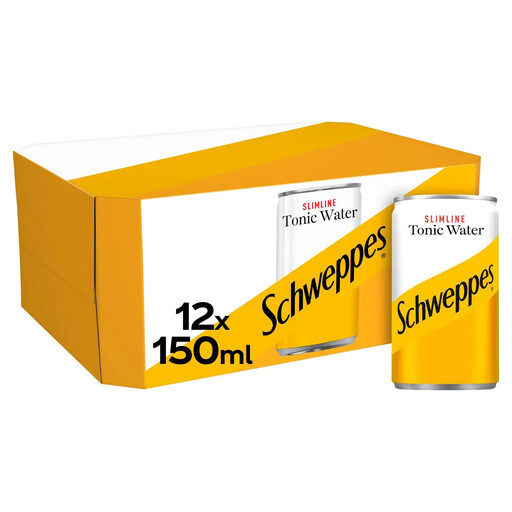 No image available
Individual cans allow housemates to open a mixer as needed. The Joybuy product page lists 0g sugars and 2kcal per 100ml. Adding an alcoholic spirit still changes the finished drink’s ABV; check the pack’s ABV if the tonic itself needs to meet a particular threshold.
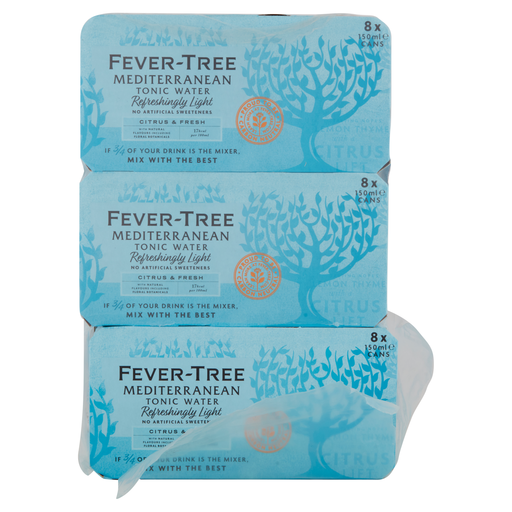 No image available
This eight-can pack offers a Mediterranean tonic option when people prefer to open individual mixers. ‘Light’ does not establish that the drink is sugar-free or determine the ABV of anything added to it; compare the pack’s nutrition and ABV information for your intended serve.
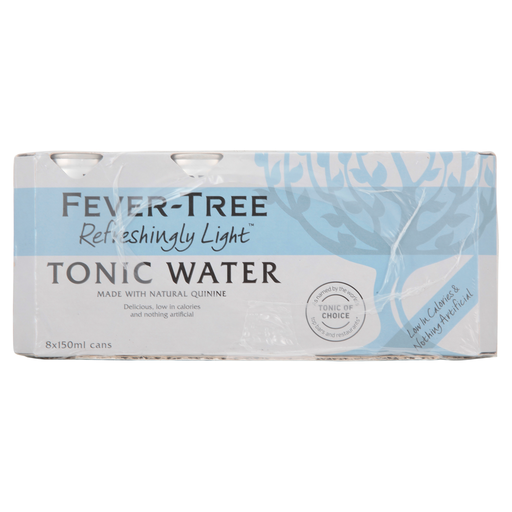 No image available
The 150ml cans suit separate serves when a larger bottle might remain open. Check the nutrition panel rather than reading ‘Naturally Light’ as sugar-free, and check what is added if the finished drink’s alcohol content matters.
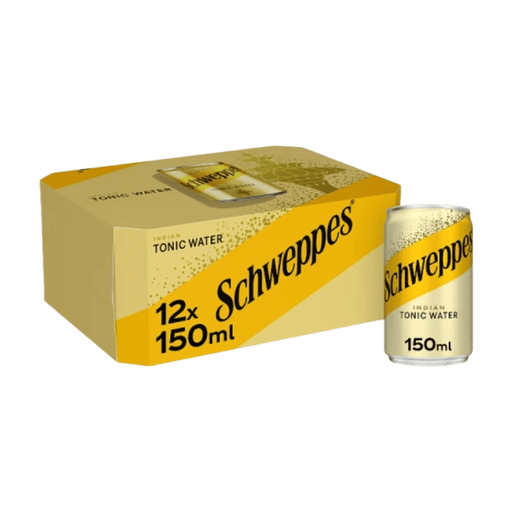 No image available
This 12-can pack is a separate Indian tonic for serving individually or mixing. Unlike a finished premixed drink, its alcohol content depends on what you add; compare its nutrition and ingredients with the Slimline variant if those details influence your choice.
No. Slimline describes the mixer, not the ABV of a finished drink containing an alcoholic spirit. For a ready-made drink without alcohol, check for an explicit 0.0% ABV label; you can also serve a soft-drink mixer without adding alcohol.
UK Department of Health and Social Care guidance describes low-alcohol drinks as those at 1.2% ABV or less. Low alcohol does not mean 0.0%: check the ABV stated for the product you are buying.
No. A separate mixer leaves you to decide what to add, while a premixed drink has its ingredients combined in the finished product. Check the premixed drink’s stated ABV; Sainsbury’s labels its Gordon’s 0.0% Spirit & Tonic can as 0.0% ABV.
Cans let people open individual serves when use is occasional or preferences differ; a bottle can suit several people using the same tonic soon. Follow the exact pack’s storage directions: Sainsbury’s says to refrigerate its 1L Diet Indian Tonic with Lemon after opening and use it within three days.
No. Tesco lists 0g sugars per 250ml for Schweppes Slimline Tonic, while Joybuy lists 3.8g sugars per 100ml for its specific Fever-Tree Refreshingly Light Tonic Water 4 x 200ml product. Compare the nutrition panels on the exact products, using the same volume.