
24/7 Customer Support

Free returns

Same-day & Next-day Delivery

Quality Guaranteed

Unlock Your Welcome Offers: FREE Delivery | Up to 80% OFF | Free 30-day JoyPlus trial
Download the APP
Buying a new phone can quickly become confusing. A high megapixel count does not automatically mean better photographs, a large battery may add considerable weight, and a low-cost handset can become expensive if it requires early replacement.
This guide from the Joybuy Product Recommendation Officer explains what to check before choosing mobile phones for everyday use, photography, gaming, work, travel or demanding outdoor conditions. It also highlights practical options across Android phones, iOS phones, SIM-free mobile phones, high-storage devices and rugged designs.
A 200MP or 108MP camera may capture detailed images in suitable conditions, but megapixels are only one part of camera performance. Buyers should also check:
A phone with several well-integrated cameras may be more useful than one that promotes a single large sensor number.
Some Android phones combine physical RAM with virtual or extended memory. For example, a listing may describe 24GB total memory while specifying 8GB physical RAM plus 16GB virtual memory. Virtual memory uses internal storage and should not be treated as identical to physical RAM.
For demanding gaming, video editing and multitasking, check the processor, physical RAM, cooling system and software support alongside the headline memory figure.
An IP68 rating indicates a defined level of resistance under controlled conditions. It does not make a handset suitable for swimming, high-pressure water jets or charging while wet. IP ratings can also vary in their exact dust and water conditions.
Rugged phones with IP68, IP69 or IP69K ratings may suit outdoor work better, but buyers should still follow the manufacturer’s limits and keep ports dry.
Choose between iOS phones and Android phones according to the apps, accessories and services you already use. iOS can be convenient for people already using Apple devices, while Android offers a wider selection of manufacturers, form factors and price points.
For UK use, check that the phone supports the required 4G or 5G bands used by your network provider. A SIM-free handset gives you greater flexibility to choose or change a network contract, but confirm whether it uses a physical Nano-SIM, eSIM or both. This is particularly important when travelling.
The right storage depends on how you use your phone:
Remember that the operating system and pre-installed applications use some of the advertised capacity. Also check whether Android phones support microSD expansion, as this is not universal.
A 120Hz refresh rate can make scrolling and compatible games appear smoother, although it may use more power than a lower refresh rate. Screen size is a personal choice: a 6.9-inch display is useful for editing and entertainment but may be less comfortable in a small pocket.
Battery capacity is measured in mAh, but actual endurance also depends on brightness, signal strength, processor efficiency and apps. Fast charging requires a compatible charger and cable, which may not be included.
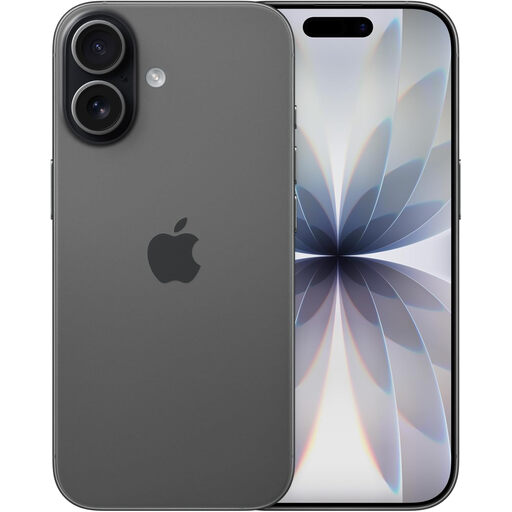
Why This Fits Their Persona: A practical iOS option for users wanting a current Apple handset with 256GB storage, 5G connectivity and a 6.3-inch ProMotion display.
The listing identifies 256GB storage, a 48MP dual camera system and a stated 30-hour video playback figure, rather than relying only on vague performance wording.
iOS 26, 5G, Wi-Fi 7, USB-C and eSIM support are specified, with a 120Hz display for smoother compatible content.
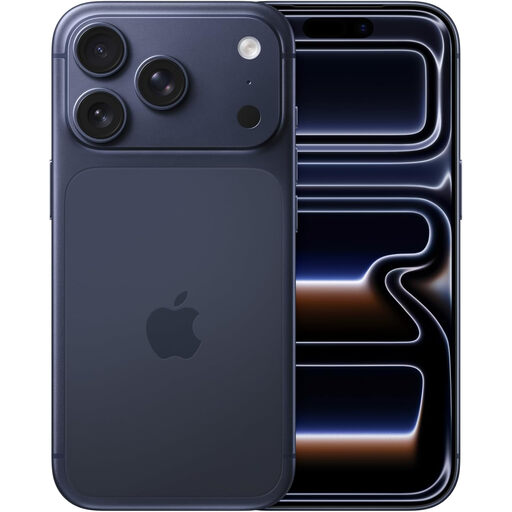
Why This Fits Their Persona: Suits Apple users, photographers and professionals who want a compact Pro model with substantial local storage.
Its specification separates the three 48MP rear cameras, 8x optical-quality zoom and 512GB storage, making the camera and capacity easier to assess.
A19 Pro chip, vapour cooling, 120Hz OLED display, USB-C and MagSafe compatibility are listed features.
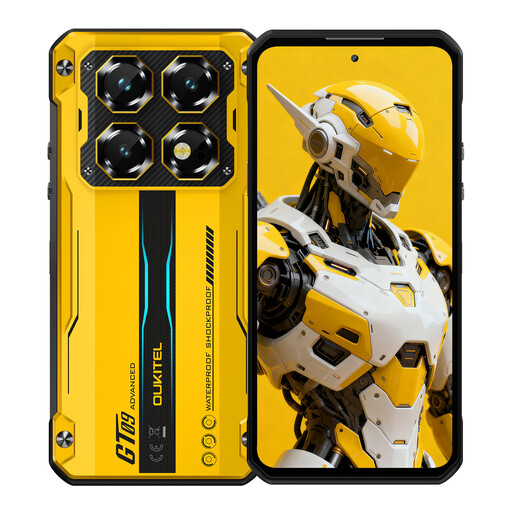
Why This Fits Their Persona: Designed for outdoor workers, travellers and users who prioritise a large display, dual SIM functionality and a high-capacity battery.
The listing gives specific information about its 10,000mAh battery, 512GB storage, 5G connection and rugged construction instead of presenting durability as an unsupported slogan.
A 7.2-inch 120Hz display, 108MP main camera, Android 15 and 33W charging are specified.

Why This Fits Their Persona: A SIM-free Android choice for users wanting strong battery capacity, a high-refresh-rate AMOLED screen and flexible 5G connectivity.
The product information states the physical storage, RAM, battery capacity, charging rate and IP ratings, allowing a more balanced comparison than camera resolution alone.
The listed features include a 6.57-inch 120Hz AMOLED display, 6400mAh battery, 80W charging and 200MP main camera with optical stabilisation.
We have compiled a complete, real-time list of products that fully satisfy these strict selection criteria and UK safety regulations.
They can provide more flexibility than a network-tied handset. You can select a SIM-only tariff, change providers or use a local SIM while travelling. Check that the phone is unlocked and supports the frequencies used by your chosen network.
Lifespan depends on battery condition, software support, physical care and performance requirements. A phone with sufficient storage, current connectivity and suitable processing power is less likely to feel restrictive as apps become more demanding. Keep software updated and avoid exposing the device to excessive heat or moisture.
5G itself does not necessarily increase the phone’s running cost, but a compatible tariff may cost more than a 4G plan. Battery use can also vary according to signal strength and network conditions. Compare the total cost of the handset, tariff, charging accessories and protection rather than focusing only on the purchase price.