
24/7 Customer Support

Free returns

Same-day & Next-day Delivery

Quality Guaranteed

Unlock Your Welcome Offers: FREE Delivery | Up to 80% OFF | Free 30-day JoyPlus trial
Download the APP
Buying mobile phones can be surprisingly complicated. A low headline price may hide limited network compatibility, a missing charger or storage that fills quickly. Meanwhile, a long list of specifications does not always translate into a phone that suits your daily routine.
This guide explains the practical checks that matter when comparing unlocked smartphones, Android smartphones and feature phones for UK use.
Some Android smartphones advertise figures such as 16GB or 24GB RAM. This may combine physical RAM with memory expansion taken from internal storage. Virtual RAM can support background app management, but it is not equivalent to physical RAM.
Check both figures before comparing affordable smartphones. For everyday calls, messaging, browsing and streaming, the processor, software optimisation and physical RAM are also important.
Water and dust ratings use specific protection levels. IP54, for example, indicates protection against limited dust ingress and water splashes. It is not the same as a phone rated IP68, IP69 or IP69K.
Likewise, a military standard such as MIL-STD-810H refers to a stated testing framework, not a guarantee that a device is indestructible. Outdoor workers should still use a case, keep ports closed and follow the manufacturer’s instructions.
Before buying an unlocked smartphone, check that it supports the network bands and SIM format used by your UK provider. Dual SIM phones can be useful for separating personal and work numbers, but some models use a shared SIM and memory-card slot.
Also check the box contents. Several modern devices include a USB cable but no charging adaptor. A suitable USB-C power adaptor may need to be purchased separately.
4G mobile phones remain suitable for calls, messaging, navigation and ordinary streaming. They can also make practical backup devices. 5G mobile phones are more relevant if you regularly download large files, use mobile hotspot data or live in an area with suitable 5G coverage.
Network performance depends on your provider, location, building materials and plan. A 5G label alone does not guarantee faster service everywhere.
Battery capacity is measured in mAh, but capacity is only one part of battery life. Screen brightness, processor efficiency, signal strength and app usage all affect how often you need to charge.
A 5,000mAh battery is common in Android smartphones, while rugged smartphones may use 10,000mAh or more. Fast charging is convenient, but confirm whether the required adaptor is supplied. Feature phones usually use less power and can remain useful as long-lasting backup devices.
Look for at least enough internal storage for your apps, photos and system updates. A phone with expandable storage can be more flexible for music, videos and documents, although apps may still need to remain on internal storage.
Mobile phones with NFC can support contactless payments and compatible accessories, subject to your bank, software and payment service. If contactless payment matters, confirm NFC is listed in the specifications rather than assuming it is included.
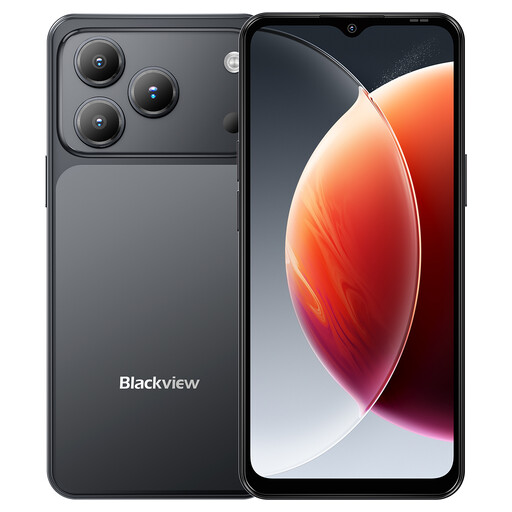
Why This Fits Their Persona: A practical option for shoppers needing an affordable Android phone for calls, social apps, browsing and media.
The 128GB version provides more internal space than entry-level models with very limited storage, and its dedicated TF card slot supports expansion up to 2TB according to the supplied specification.
4G Dual SIM, 5,000mAh battery, 32MP rear camera, 3.5mm headphone jack and IP54 splash resistance.
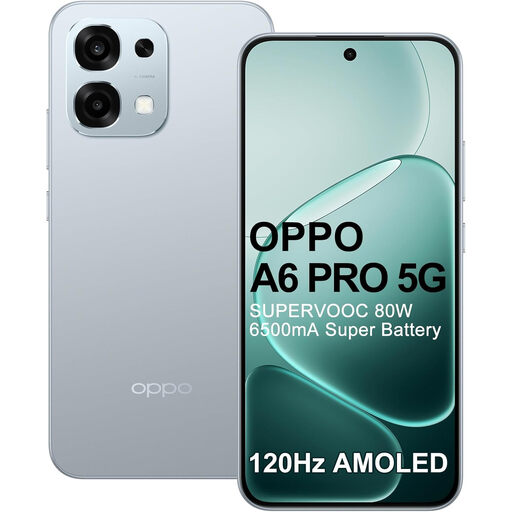
Why This Fits Their Persona: Suits buyers prioritising a high-resolution display, fast charging, storage and modern connectivity for work and entertainment.
Its listed 256GB storage and microSD support reduce the risk of quickly running out of space, while dual Nano SIM and eSIM support offer flexible connectivity.
6.57-inch AMOLED display with dynamic 120Hz refresh rate, 6,500mAh battery, 80W charging, NFC, 5G and IP69 protection.
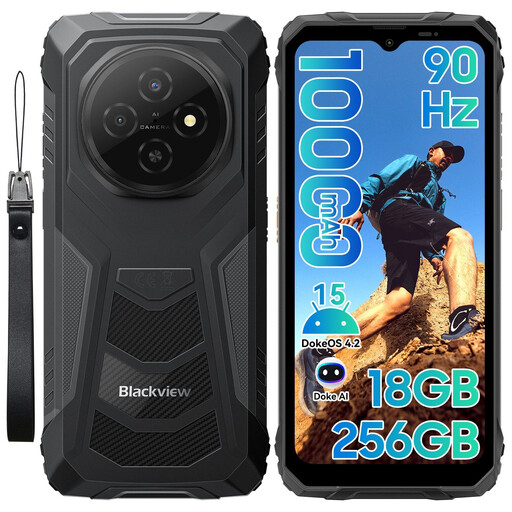
Why This Fits Their Persona: Designed for couriers, mechanics, campers and outdoor workers who may need greater resistance and battery capacity than a standard handset.
The listed IP68/IP69K and MIL-STD-810H ratings provide clearer protection information than vague “outdoor” wording. It also has a 2-year warranty according to the product listing.
10,000mAh battery, 18W charging, NFC, dual SIM, 256GB storage and 90Hz display.
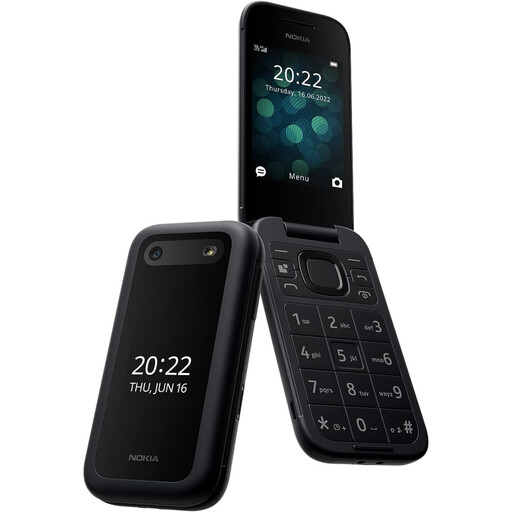
Why This Fits Their Persona: A straightforward choice for seniors, backup use or anyone preferring tactile buttons over a touchscreen.
Its 2.8-inch display, Zoom UI, physical buttons and flip-to-answer design avoid the small touch controls found on many smartphones.
4G connectivity, dual Nano SIM, removable 1,450mAh battery, Hearing Aid Compatibility and emergency button.
We have compiled a complete, real-time list of products that fully satisfy these strict selection criteria and UK safety regulations.
Not necessarily. An unlocked phone can accept SIM cards from different providers, but compatibility still depends on supported network bands, VoLTE requirements and local coverage. Check the handset specifications and your provider’s compatibility information before ordering.
Battery performance varies with charging habits, temperature, signal strength and usage. Smartphone batteries gradually lose capacity over time. Feature phones generally use less power, while larger batteries in rugged smartphones can reduce charging frequency but may increase weight and size.
Usually, a feature phone consumes less power and may suit a low-data or calls-and-texts tariff. However, the total cost depends on the SIM plan, call usage and whether you need apps such as maps, banking or contactless payment.