
24/7 Customer Support

Free returns

Same-day & Next-day Delivery

Quality Guaranteed

Unlock Your Welcome Offers: FREE Delivery | Up to 80% OFF | Free 30-day JoyPlus trial
Download the APP
Soft, chewy and available in flavours ranging from peach to matcha, mochi has become a convenient choice for snacks, desserts and gifts. However, not every pack suits every shopper. Texture, storage and allergen information can vary considerably between Japanese mochi, Chinese-style sweets, daifuku mochi and frozen dessert formats.
This guide explains the practical details to check before buying, followed by recommendations matched to different UK shopping needs.
Some products must remain frozen, while others are stored in a cool, dry place. A frozen mochi dessert may become soft and difficult to handle if it is left out too long. Conversely, a shelf-stable pack may not need freezer space at all.
Always check the storage instructions, whether the product needs thawing and how soon it should be consumed after opening. For example, Royal Family Fruity Mochi Peach 180g is kept frozen at -18°C or below and recommends thawing for 10–15 minutes before eating. Little Moons Caramel Biscuit & White Chocolate Cheesecake Mochi 120g should also be kept frozen, with chilled consumption requiring refrigeration and consumption within one day.
The word “mochi” generally refers to a soft, chewy rice-based sweet, but the filling and outer layer can differ. Some products have a springy glutinous rice skin, while others use tapioca-based ingredients or include creamy frozen fillings.
If you prefer traditional-style chewy mochi snacks, look for glutinous rice or glutinous rice flour in the ingredients. If you prefer a dessert with contrasting textures, a frozen cheesecake mochi may provide a creamy centre and a biscuit crumb rather than a classic bean-paste filling.
Flavours such as peanut, sesame, milk and soy can appear in fillings, coatings or emulsifiers. Some packs may also state that they may contain additional allergens. Read the UK packaging before purchase, particularly when buying a mochi gift box for several people.
Products containing sorbitol or other sweeteners may include a warning about excessive consumption. Mochi is also a dense, chewy food, so children should be supervised and encouraged to chew carefully.
Choose between:
Check whether defrosted products can be refrozen. Several products state that they should not be refrozen once thawed.
The filling usually determines the main taste and mouthfeel:
A 100g bag may suit occasional personal snacking, while 180g to 210g packs are more practical for sharing. Individually wrapped pieces can help with portion control, lunchboxes and serving guests, but always check the specific product description and packaging.
For gifting, an assorted mochi pack offers several flavours without requiring you to select each one separately. Review the flavour list carefully: some boxes contain four pieces each of three flavours, while other bundles combine separate 100g daifuku packs.
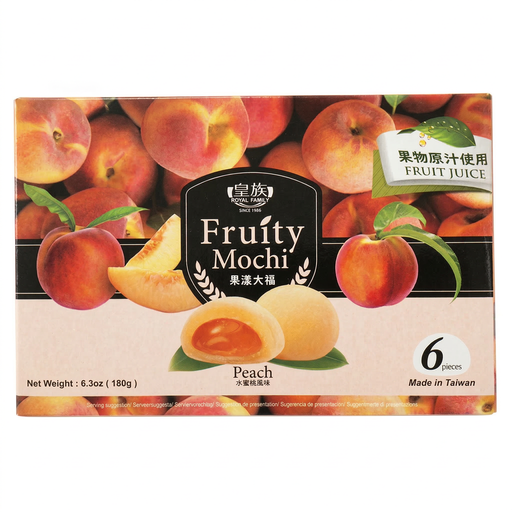
Why This Fits Their Persona: A straightforward entry point for UK shoppers trying fruit-flavoured mochi without choosing a mixed box. The frozen format is suitable for keeping a dessert ready at home.
The listing clearly states frozen storage and a 10–15-minute thawing period, helping avoid unsuitable cupboard storage or an overly firm texture.
180g pack size; peach juice concentrate; listed as containing no allergens.
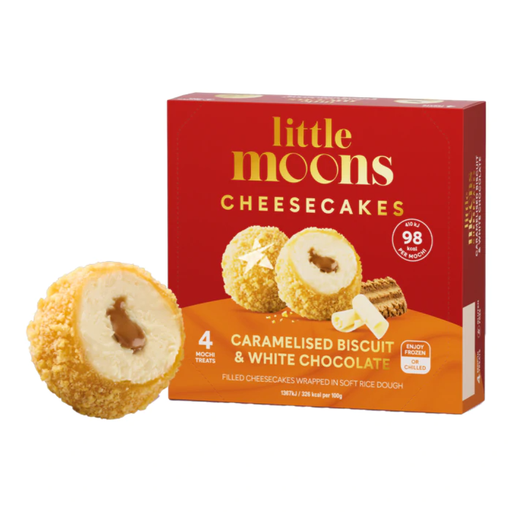
Why This Fits Their Persona: A dessert-led option for shoppers who enjoy cheesecake, caramel and white chocolate flavours alongside a chewy mochi layer.
The product description specifies frozen storage, allergen information and a 30g piece size, making serving and label checks more transparent.
Creamy cheesecake centre; caramelised biscuit filling and crumb; suitable for vegetarians according to the listing.

Why This Fits Their Persona: A practical choice for family sharing, office treats or gifting, with three listed flavours in one presentation box.
The flavour breakdown is stated as four matcha, four sesame and four mango pieces, so buyers can see exactly what the assortment contains.
12 packs in total; 360g net weight; includes matcha, sesame and mango flavours.
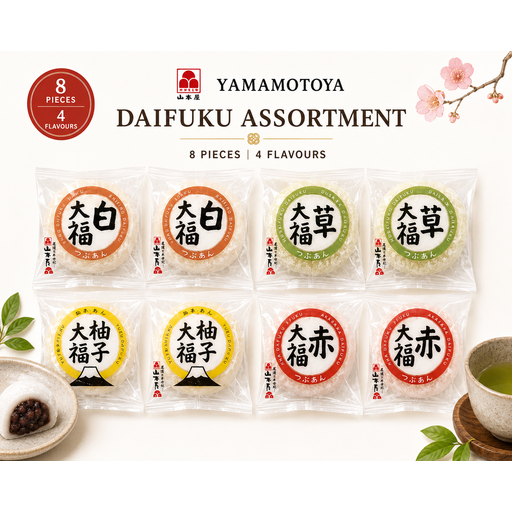
Why This Fits Their Persona: Suitable for shoppers exploring daifuku mochi flavours such as red bean, white bean, mugwort and yuzu rather than fruit or chocolate fillings.
The bundle provides separate flavour descriptions and allergy information, helping buyers check for soybean ingredients before ordering.
Eight-piece assorted format; includes yuzu and mugwort options; individual 100g packs.
We have compiled a complete, real-time list of products that fully satisfy these strict selection criteria and UK safety regulations.
It depends on the product. Frozen mochi and many frozen fruit sweets should remain at -18°C or below until serving. Other ready-to-eat mochi products can be stored in a cool, dry place, with refrigeration sometimes recommended for milk or cream-style varieties. Follow the pack instructions rather than relying on the product name.
Check the best-before information and storage guidance on the packaging. Some ready-to-eat products should be consumed promptly after opening, while thawed frozen mochi may need to be eaten immediately or within one day. Do not refreeze products where the instructions prohibit it.
Read the full allergen statement, particularly for milk, soy, peanuts, sesame and nuts. Also check for sweeteners and the product’s choking warning. Mochi is chewy and should be eaten carefully, with children supervised while consuming it.