
24/7 Customer Support

Free returns

Same-day & Next-day Delivery

Quality Guaranteed

Unlock Your Welcome Offers: FREE Delivery | Up to 80% OFF | Free 30-day JoyPlus trial
Download the APP
Mochi desserts can look similar on the shelf, yet the eating experience varies considerably. Some are soft and ready to eat, while others need thawing or cooking. Fillings may range from adzuki bean and matcha to fruit, durian, cheesecake or Thai tea, and pack sizes are not always directly comparable.
For UK shoppers, the main purchasing mistakes usually come from three areas:
A little label-checking helps you choose Japanese mochi, Taiwanese pastries and wider Asian desserts that suit your household and storage space.
Start by deciding whether you want ready-to-eat mochi sweets or a product that needs cooking.
Frozen mochi is useful when you want to keep individual portions available for later. Royal Family Peach Mochi, for example, is stored at -18°C or below and should be thawed for around 10–15 minutes at room temperature before eating. Once defrosted, it should be consumed promptly and not refrozen.
Other products require heat. FRESHASIA Taiwanese Green Tea & Red Bean Glutinous Rice Balls are intended to be cooked from frozen. The listed instructions suggest steaming for approximately 8–10 minutes or boiling for 5–7 minutes, until the rice balls float. This makes them more suitable for dessert bowls and sweet soups than for an instant snack.
Ambient options can be more convenient for work bags, picnics or cupboard storage, but check whether refrigeration is recommended after opening.
The term mochi generally refers to a soft, stretchy rice-based wrapper, but texture depends on the recipe and serving temperature. Daifuku mochi normally contains a filling inside the wrapper, often red bean paste, white bean paste, fruit paste or cream.
Look at the filling percentage where it is provided. Royal Family Mango Fruity Mochi lists mango juice at 9.63%, while some daifuku products list bean paste as a significant part of the centre. These details do not determine personal taste, but they offer a more useful comparison than packaging images alone.
For a traditional profile, consider red bean mochi or mugwort daifuku. For a fruit-led option, peach, mango, blueberry and yuzu provide brighter flavours. Matcha mochi can bring a gentle green-tea bitterness, while cheesecake mochi combines rice dough with dairy-based fillings and biscuit-style elements.
Read the full label rather than relying only on terms such as “traditional”, “premium” or “authentic”. UK food packaging should provide ingredient and allergen information, but recipes can vary between products.
Common points to check include:
Pack size also deserves attention. A 120g box of individually portioned cheesecake mochi serves a different purpose from a 360g bag of filled rice cakes or an eight-piece assorted daifuku bundle.
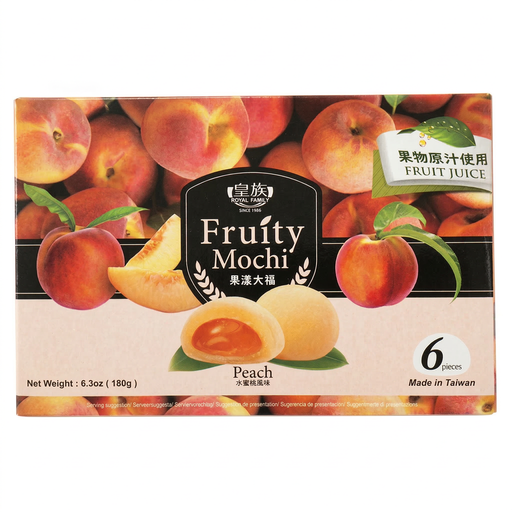
Why This Fits Their Persona: A straightforward choice for first-time buyers who want individually portioned fruit mochi for sharing, afternoon treats or family snacking.
The storage and thawing instructions are clearly specified, helping you avoid treating a frozen dessert like an ambient snack.
180g pack, peach juice concentrate and a soft, chewy format designed for ready-to-eat enjoyment after thawing.
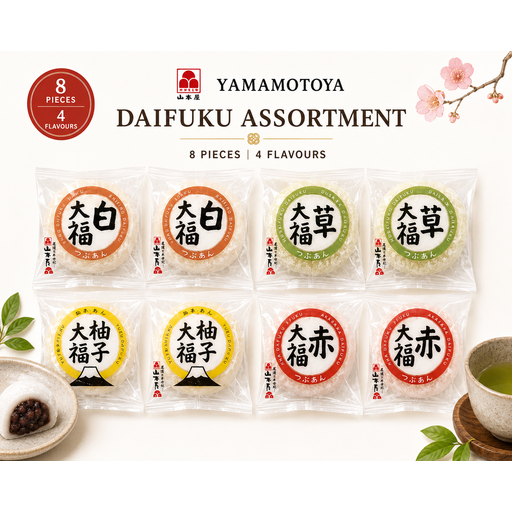
Why This Fits Their Persona: Suitable for shoppers who want to compare several traditional Japanese-inspired fillings rather than commit to one flavour.
An assorted format reduces the risk of buying a large single-flavour pack that does not suit everyone.
Eight-piece selection featuring red bean, white bean, mugwort and yuzu varieties; storage is listed as frozen at -18°C or below.
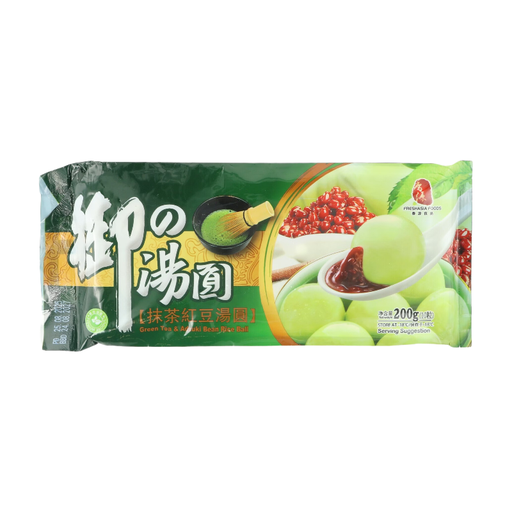
Why This Fits Their Persona: A practical option for households that regularly prepare Asian desserts, sweet soups or warm dessert bowls.
The product clearly states that cooking is required, preventing the common mistake of eating rice balls straight from the freezer.
200g pack with green tea powder and red bean powder; suitable for steaming or boiling from frozen.
We have compiled a complete, real-time list of products that fully satisfy these strict selection criteria and UK safety regulations.
If you prefer strong tropical flavours, frozen durian mochi is available in options combining D24 durian paste with a matcha skin or cream-based filling. For a familiar dessert profile, cheesecake mochi with strawberry or caramel biscuit centres offers milk-based creaminess alongside chewy rice dough.
Shoppers seeking non-frozen snacks can compare ambient formats such as cacao-coated strawberry mochi or milk mochi. These may be convenient for cupboards, but refrigeration can improve the texture of some products. Always follow the individual packaging rather than applying instructions from another item.
Not always. Many filled mochi desserts and ice-style products require storage at -18°C or below, while some rice cakes and confectionery-style mochi are sold ambient. Check the storage condition, thawing guidance and whether the product must be consumed shortly after opening.
It depends on the product. Some ready-to-eat frozen mochi should be consumed immediately after thawing, while certain cheesecake mochi products can be defrosted, refrigerated and eaten within one day. Do not refreeze products where the label prohibits it, and use the best-before or use-by information on the packaging.
Daifuku mochi is typically a filled rice cake eaten as a ready-to-eat sweet. Glutinous rice balls are often served in soups or dessert dishes and may require boiling or steaming. Both use chewy rice-based dough, but their preparation, shape and serving style can differ.