
24/7 Customer Support

Free returns

Same-day & Next-day Delivery

Quality Guaranteed

Unlock Your Welcome Offers: FREE Delivery | Up to 80% OFF | Free 30-day JoyPlus trial
Download the APP
From a niche Japanese delicacy to a mainstream freezer staple, mochi ice cream has captured the attention of UK food lovers. These bite-sized treats, featuring a soft, chewy rice dough wrapped around a creamy ice cream centre, offer a unique textural experience. However, as you look to buy mochi online, you'll find a market filled with options that vary wildly in quality. Getting it wrong can lead to a disappointing, and often expensive, frozen dessert experience.
As the Joybuy Product Recommendation Officer, my role is to help you navigate the choices. This guide cuts through the marketing jargon, focusing on the practical details that separate a delightful treat from a freezer-burned letdown. We'll look at the common pitfalls to avoid and the key features to check before you add that box of frozen mochi dessert to your cart.
Ordering a mochi delivery UK service should be exciting, but many buyers end up disappointed. Here are the three most common issues and how to spot them:
To ensure you get a quality product, focus on these three non-negotiable factors.
The quality of the outer layer is paramount. Look at the ingredients list for two key components:
Understanding the filling type helps manage your expectations for taste and texture.
chocolate mochi ice cream.vegan mochi.The difference between a memorable and a forgettable mochi often lies in the flavouring.
Japanese mochi, or daifuku mochi, is typically not frozen and is filled with sweet red bean paste (anko). The products we are discussing here are a modern fusion, specifically mochi ice cream.Instead of a generic list, we've matched specific products to different tastes and preferences, helping you find the right fit for your next dessert craving.
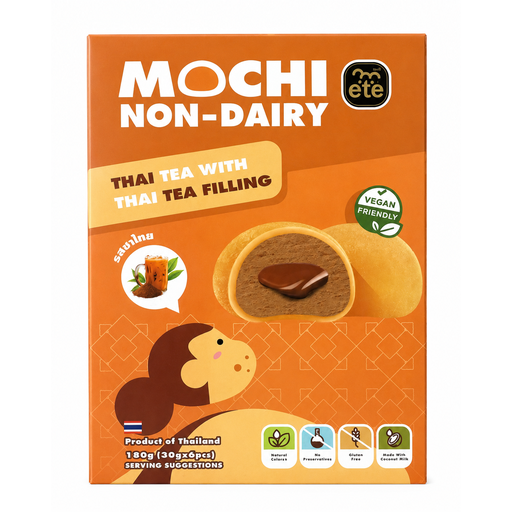
Why This Fits Their Persona: For those who have already tried the standard flavours and are looking for something new, this Thai Tea mochi offers a unique taste of Southeast Asia. It's a trendy, dairy-free option that stands out from the crowd.
It sidesteps the "flavour vs. actual flavour" pitfall by using authentic Thai tea extract. It also clearly labels its filling as a coconut milk-based dessert, managing expectations perfectly.
It's a fully vegan mochi that delivers a creamy texture thanks to its coconut milk base, combined with a distinct, aromatic flavour profile.
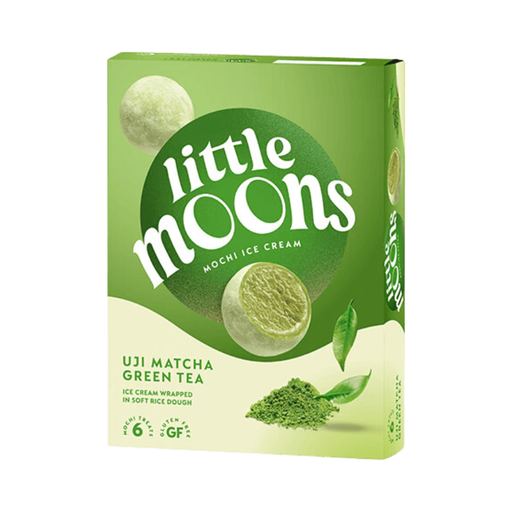
Why This Fits Their Persona: This is for the purist who wants an authentic matcha mochi experience. They value quality ingredients and a flavour profile that is earthy and balanced, not just sweet.
It avoids the flavour pitfall by specifying the use of "Uji Matcha Green Tea," a high-grade tea from Japan. It also uses a true ice cream base with whole milk and double cream, dodging the "ice cream illusion."
Delivers a genuinely creamy and authentic matcha flavour. The Little Moons mochi brand is also well-established in the UK for its consistent quality.
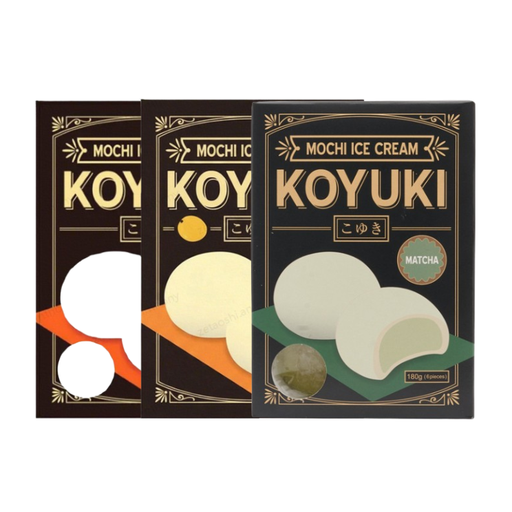
Why This Fits Their Persona: Perfect for anyone curious to buy mochi online for the first time. This bundle removes the pressure of choosing just one flavour, offering a convenient way to sample a range of popular options (Matcha, Vanilla and Mango).
This bundle mitigates the risk of being disappointed by a single flavour choice. It provides a variety, allowing you to discover your preference without committing to a full pack of something you might not enjoy.
Offers great value and variety in a single purchase. It's an excellent introduction to the world of Japanese mochi ice cream.
We have compiled a complete, real-time list of products that fully satisfy these strict selection criteria and UK safety regulations.
This is a crucial step for the ideal texture. Most brands recommend letting the mochi sit at room temperature for around 3-5 minutes after taking it out of the freezer. This short wait allows the outer mochi dough to soften to its signature chewy consistency while the ice cream core remains perfectly frozen.
In most cases, yes. Mochi dough is made from glutinous rice flour, which, despite its name, is naturally gluten-free. However, it is always essential to check the packaging. Some recipes may include other ingredients and there is always a risk of cross-contamination in the manufacturing facility. Look for a "gluten-free" certification or check the allergen statement for "may contain" warnings.
While they look similar, they are two different types of confections. Daifuku mochi is a traditional, non-frozen Japanese sweet where the glutinous rice cake is filled with a sweet paste, most commonly anko (red bean paste). Mochi ice cream is a modern, hybrid dessert where the filling is a scoop of ice cream or sorbet. Both are delicious, but one is a shelf-stable sweet and the other is a frozen treat.