
24/7 Customer Support

Free returns

Same-day & Next-day Delivery

Quality Guaranteed

Unlock Your Welcome Offers: FREE Delivery | Up to 80% OFF | Free 30-day JoyPlus trial
Download the APP
Japanese mochi sweets have become a popular choice for UK shoppers looking for something different from standard biscuits and chocolate. Their soft, springy texture works well for afternoon treats, lunchboxes, gifts and dessert platters. However, “mochi” can describe several different products, from filled Japanese rice cakes to frozen mochi ice cream, konjac-based desserts and Japanese gummies.
The main buying challenge is knowing what you are actually getting. A colourful packet may look traditional, but the product could be Japanese-style rather than made in Japan, contain animal-derived ingredients, or require freezer storage. Use the guide below to compare texture, filling, dietary suitability and convenience before purchasing.
Traditional Japanese rice cakes are generally made with glutinous rice or glutinous rice flour and may contain fillings such as red bean paste, white bean paste, matcha or fruit. Daifuku mochi usually refers to a soft mochi shell with a sweet filling.
Other products use a similar chewy texture but have a different base. Marukin Michikon, for example, uses konjac and starch rather than a conventional glutinous rice shell. It may suit shoppers seeking a jelly-like dessert, but it should not be confused with classic daifuku.
Mochi sweets may contain milk, soya, peanuts, sesame, wheat, egg or gelatine. Fruit gummies commonly contain gelatine, making them unsuitable for vegetarians and vegans. Some products are labelled halal or vegan, but the packaging should still be checked before eating, particularly if you have an allergy or follow a strict dietary requirement.
A product described as gluten-free is not automatically dairy-free or suitable for people with all allergies. Always read the full UK ingredient and allergen declaration.
Mochi ice cream belongs in the freezer, while shelf-stable Japanese confectionery is usually kept in a cool, dry place. Frozen products may need a short resting period before serving, whereas some soft mochi is recommended chilled or at room temperature.
Buying a large multipack without checking storage can lead to wasted food, especially if freezer space is limited or the packet cannot be resealed securely.
Look for the product format that matches your preference:
The texture can vary considerably between brands and flavours. If you prefer a classic chewy Japanese sweet, filled daifuku may be more suitable than a konjac dessert or gummy.
Common flavours include red bean mochi, matcha mochi, milk, taro, mango, strawberry, coconut and peanut. Red bean paste offers a dense, sweet bean flavour, while matcha tends to have an earthy, tea-like taste. Fruit mochi generally has a lighter, more fragrant profile.
Check the ingredient percentage where it is provided. For example, the Royal Family Fruity Mochi Mango lists mango juice at 9.63%, while Little Moons Matcha Green Tea Mochi Ice Cream lists green tea powder at 1.5%.
Individually wrapped sweets are useful for sharing, lunchboxes and taking to work. Larger bags or gift boxes can offer several flavours, but compare the number of pieces rather than relying only on total weight.
For families, consider portion size and the texture of the product. Mochi and gummy sweets can be sticky or chewy, so young children should be supervised while eating. Follow the safety information printed on the packaging.
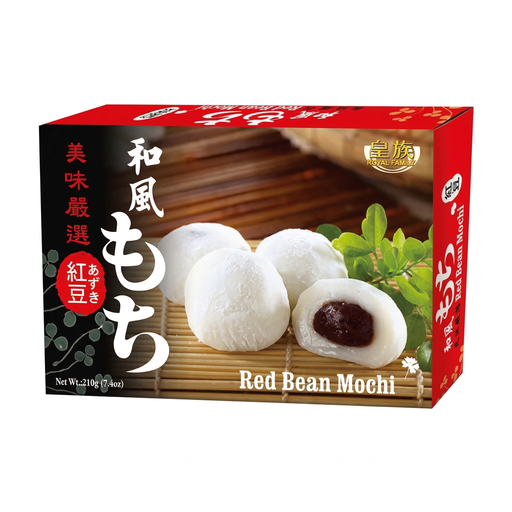
Why This Fits Their Persona: A practical introduction to filled mochi, with a generous 210g pack for sharing or trying the classic red bean flavour at home.
The product description clearly identifies a soft chewy outer layer, red bean filling and individual packaging, helping you understand the format before buying.
Classic sweet red bean filling; individually packaged; ready to eat and suitable for sharing.
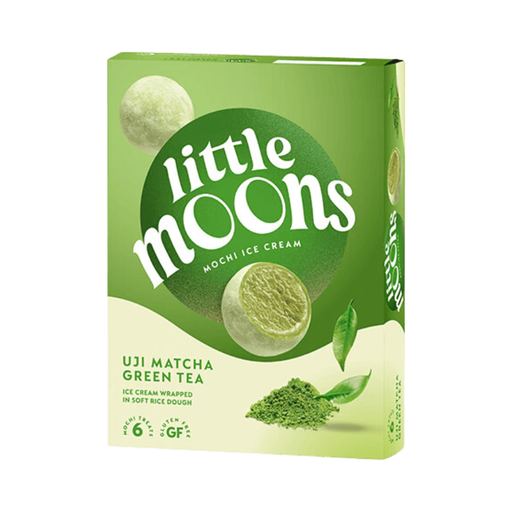
Why This Fits Their Persona: Designed for dessert lovers who want a frozen Japanese-inspired treat with an earthy matcha flavour and creamy centre.
The listing states that it is a frozen product, contains milk and may contain nuts and peanuts. It also explains that waiting around five minutes can soften the texture.
Six bite-sized treats; gluten-free according to the product information; matcha ice cream wrapped in rice dough.
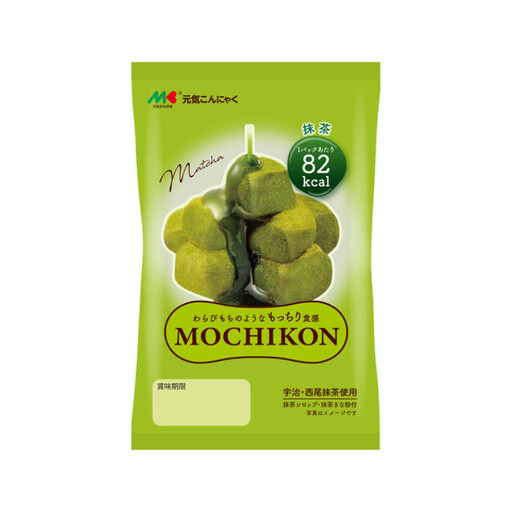
Why This Fits Their Persona: A convenient option for shoppers specifically looking for halal mochi-style desserts with a soft, chewy texture and matcha flavour.
The listing identifies the product as halal and vegan, while also clearly listing soya as an allergen and sweeteners in the ingredients.
Made with konjac and corn starch; 72 kcal per 100g according to the listing; recommended chilled.

Why This Fits Their Persona: A multi-flavour box for parties, care packages, Japanese confectionery gifts or households where preferences differ.
The contents are specified as four matcha, four sesame and four mango packs, so buyers can assess the flavour mix rather than guessing from the box design.
Twelve packs in three flavours; suitable for sampling, sharing and gifting.
We have compiled a complete, real-time list of products that fully satisfy these strict selection criteria and UK safety regulations.
Mochi has a sticky, chewy texture and should be eaten carefully. Supervise young children and follow the age and safety guidance on the packaging. Individually wrapped portions can make serving easier, but they do not remove the need for supervision.
It depends on the product. Mochi ice cream must remain frozen. Shelf-stable daifuku and Japanese-style mochi are generally stored in a cool, dry place, while some products are recommended chilled for texture. Check the product page and packet before storing.
No. Ingredients differ between products. Some Marukin Michikon products are listed as halal and vegan, while fruit gummies may contain gelatine and milk mochi contains dairy and beef gelatine. Check the specific ingredient list, allergen statement and certification information for the product you intend to buy.