
24/7 Customer Support

Free returns

Same-day & Next-day Delivery

Quality Guaranteed

Unlock Your Welcome Offers: FREE Delivery | Up to 80% OFF | Free 30-day JoyPlus trial
Download the APP
Mochi sweets can range from soft, ready-to-eat daifuku to frozen glutinous rice balls that require cooking. That variety is part of the appeal, but it also creates common buying pitfalls. A colourful pack may not tell you whether the product is suitable for immediate eating, refrigeration or freezer storage.
Before choosing Japanese mochi, Asian mochi or mochi rice cakes, check three details: how the product is prepared, which allergens it contains and how much you receive for the price. These points have a greater effect on everyday convenience than flavour claims or attractive packaging.
Some daifuku mochi and filled mochi are ready to eat straight from the packet. Others are frozen glutinous rice balls intended for boiling. Buying the wrong type can lead to disappointment, particularly if you want a lunchbox snack or an afternoon treat without preparation.
For example, Spring Home glutinous rice balls require boiling for 6–8 minutes and should be served piping hot. Freshasia Taiwanese Five Blessings Mini Glutinous Rice Balls also require cooking and are designed for desserts such as sweet soups, shaved ice and milk tea.
The terms Japanese mochi, Japanese-style mochi and daifuku describe a style or type of sweet, not necessarily the country of manufacture. Several products in this selection are made in China or Taiwan, while others reflect Japanese-inspired recipes and fillings.
Check the country of origin, ingredient list and product description if provenance matters to you. This is particularly useful when buying a mochi gift box or putting together an Asian sweets selection for guests.
Mochi has a distinctive soft, springy chew, but storage instructions vary. Some products are best kept in a cool, dry place, while frozen mochi rice cakes must remain at -18°C or below. Refrigeration may improve the eating texture of some milk or fruit-filled mochi, but it is not a substitute for freezer storage where the label specifies freezing.
After opening, reseal products where instructed and consume them promptly. Do not refreeze products that have thawed unless the packaging specifically permits it.
Look for clear wording such as “ready to eat”, “best served chilled” or “cooking required”. Ready-to-eat daifuku is convenient for work, university, travel and family snacking. Frozen glutinous rice balls are more suitable when you want to prepare a dessert at home.
Cooking instructions should be practical and specific. For filled rice balls, check whether they need to be boiled from frozen and whether a separate coating or sauce is included.
Traditional red bean mochi usually contains sweet adzuki bean paste, giving it a dense, mellow flavour. Fruit-filled mochi, such as mango or strawberry varieties, offers a sweeter, more fragrant profile. Milk mochi tends to have a creamy taste, while cacao and strawberry combinations add a cocoa coating alongside fruit filling.
For a more varied tasting experience, check whether the pack contains individually wrapped pieces or multiple flavours. This can be more useful than buying several single-flavour bags when sharing with visitors.
Compare net weight rather than pack appearance. A 210g bag, a 360g gift box and a 120g twin pack serve different needs. Individually wrapped pieces can help with portioning and reduce exposure after opening.
Always read the latest packaging for allergens. Examples in this range include:
Ingredient and allergen information on the physical packaging should take priority if it differs from an online listing.
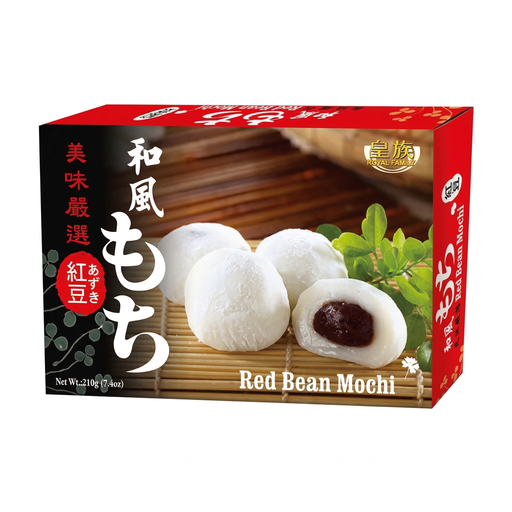
Why This Fits Their Persona: A larger 210g pack gives first-time buyers an accessible way to try classic red bean mochi for afternoon tea, study breaks or sharing.
It is individually packaged and ready to eat, so there is no cooking step or need to use the product immediately after opening the whole bag.
Classic red bean filling; 210g net quantity; individually packaged for carrying and sharing.
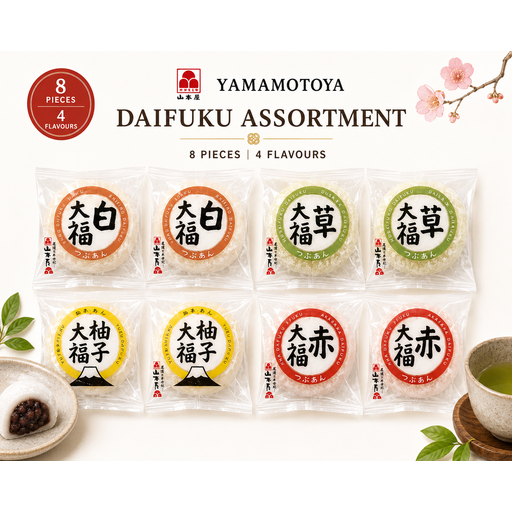
Why This Fits Their Persona: A multi-flavour assortment suits shoppers who want contrasting Japanese-style fillings for entertaining or gifting.
The bundle makes the flavour selection clear, helping avoid buying several similar single-flavour packs without knowing which fillings you prefer.
Eight-piece assorted format; includes red bean, white red bean, mugwort and yuzu daifuku varieties.
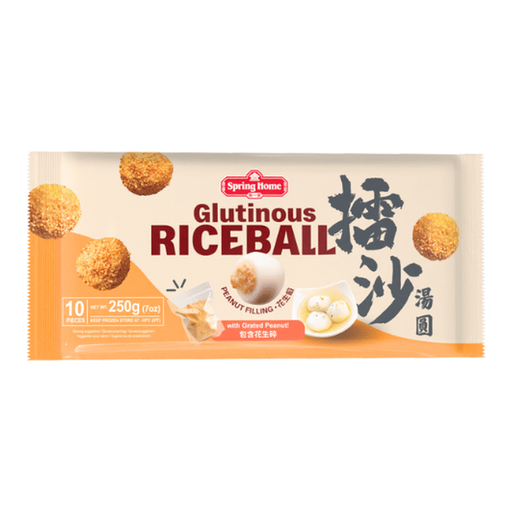
Why This Fits Their Persona: Designed for shoppers who want to prepare a warm Taiwanese-style dessert rather than open a ready-to-eat sweet.
The listing clearly states that cooking is required, with instructions to boil from frozen for 6–8 minutes and coat with the included peanut powder.
250g frozen pack; peanut filling and grated peanut coating; suitable for a hot dessert.
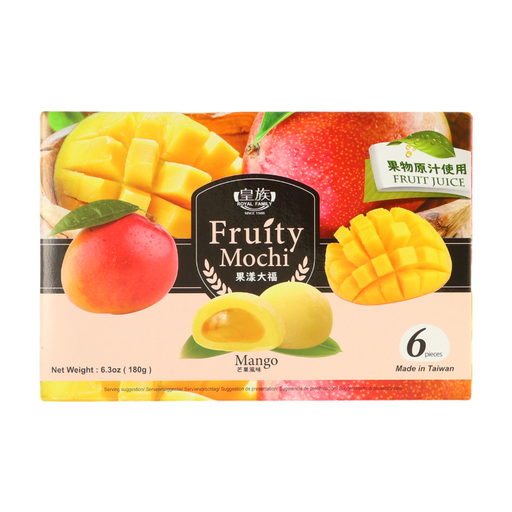
Why This Fits Their Persona: A fruit-forward filling works for shoppers who prefer a fragrant alternative to bean, peanut or milk mochi.
The product description specifies mango juice at 9.63%, allowing shoppers to distinguish the filling information from flavour-only wording.
180g pack; mango juice included in the ingredients; no allergens listed in the supplied product information.
We have compiled a complete, real-time list of products that fully satisfy these strict selection criteria and UK safety regulations.
Follow the storage instructions on the individual product. Some ready-to-eat mochi is designed for a cool, dry cupboard, while milk mochi and certain fruit-filled varieties may be more enjoyable chilled. Frozen mochi rice cakes must remain frozen until thawed as directed.
The unopened date is printed on the packaging. Once opened, reseal the product and follow its instructions; many ready-to-eat sweets should be consumed promptly. Avoid leaving mochi exposed to heat, humidity or direct sunlight, as this can affect texture.
Not necessarily. Mochi can be chewy and sticky, and products vary in size, fillings and allergens. Check the packaging, supervise younger children while eating and choose appropriately sized pieces. For allergen concerns, read the full UK ingredient and allergen declaration before serving.