
24/7 Customer Support

Free returns

Same-day & Next-day Delivery

Quality Guaranteed

Unlock Your Welcome Offers: FREE Delivery | Up to 80% OFF | Free 30-day JoyPlus trial
Download the APP
Mochi has become a familiar sight in UK supermarkets and online stores, moving from a niche Japanese dessert to a mainstream treat. Yet, as its popularity grows, so does the chance of a disappointing purchase. Many shoppers find themselves with mochi that's either rock-hard or bland, or they get confused by the ingredients needed to make it at home.
As the Joybuy Product Recommendation Officer, my role is to help you navigate the options. This guide cuts through the clutter to focus on what truly matters, ensuring your first or next mochi experience—whether bought or homemade—is a delightful one. We'll look at the common pitfalls to avoid and the key factors that define quality mochi.
Before adding to your basket, be aware of these frequent issues that can lead to buyer's remorse:
To avoid these traps, focus on a few non-negotiable details. Whether you're buying ready-made treats or the ingredients to make your own, here’s what to check.
The foundation of all authentic mochi is glutinous rice flour, also sold as sweet rice flour.
For filled mochi, like daifuku or certain types of matcha mochi, the quality is in the filling. A quick scan of the ingredients list can reveal a lot. Look for brands that specify the percentage of their key filling ingredients. For example, a product that lists "Green Tea Paste (20%)" is likely to have a more pronounced and authentic flavour than one where sugar is the dominant component of the filling. Look for real fruit purees, red bean paste and authentic tea powders high up on the ingredient list.
Mochi isn't a single product but a category of Asian sweets. Understanding the main types helps you choose the right one for the occasion:
Instead of a generic list, we've matched our recommendations to different needs, helping you find the perfect fit for your kitchen or snack time.
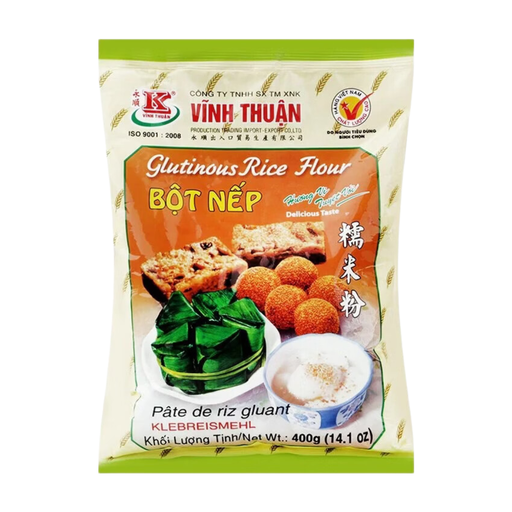
Why This Fits Their Persona: This is for the person who wants to create authentic Asian desserts from scratch. It provides the essential foundation, giving you full control over the texture, sweetness and flavour of your homemade mochi, rice cakes or dumplings.
Directly solves the "Texture Trap" and "Flavour That Falls Flat" by empowering you to make fresh mochi. You control the ingredients, ensuring a perfect chewy texture and authentic taste every time, and it clarifies the "Glutinous" misconception.
Made from 100% glutinous rice, this flour guarantees the correct sticky and elastic consistency. It's a versatile pantry staple for a wide range of sweet and savoury Asian recipes.

Why This Fits Their Persona: Ideal for someone seeking a convenient, ready-to-eat snack that delivers a genuine matcha flavour. This is for the person who appreciates the earthy, complex notes of green tea and wants it in a classic, chewy mochi form.
This product avoids the "Flavour That Falls Flat" pitfall. The ingredient list specifies a green tea paste filling (20%) and green tea powder (5%), indicating a commitment to a concentrated, authentic matcha taste rather than just sugar.
It features a high content of both glutinous rice (25%) for a proper chewy texture and a distinct green tea paste, delivering a rich and layered Japanese-style flavour experience.
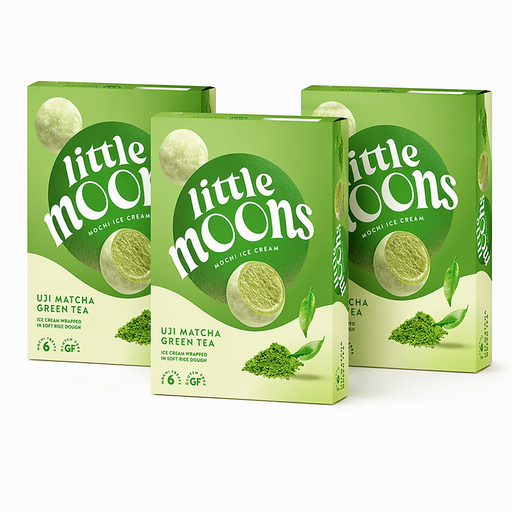
Why This Fits Their Persona: Perfect for those who have seen mochi ice cream trending and want to try a popular, high-quality version. It's a fun, modern and convenient frozen dessert that's great for sharing or as an individual treat.
This sidesteps the "Texture Trap" of hard, shelf-stable mochi by offering a completely different experience. The combination of soft, creamy gelato-style ice cream and a thin, chewy mochi dough is highly appealing and consistently delivered.
This product uses Uji Matcha green tea for a balanced, earthy flavour. The ice cream is churned to be denser for a more intense taste, and the product is gluten-free, making it accessible to more people.
We have compiled a complete, real-time list of products that fully satisfy these strict selection criteria and UK safety regulations.
Yes, absolutely. Despite the confusing name, glutinous rice flour does not contain gluten. The term "glutinous" refers to the sticky, glue-like texture the flour creates when cooked, which is essential for making mochi. It is milled from a type of rice and is a safe ingredient for individuals with coeliac disease or gluten intolerance.
Storage is key to preserving texture. Standard, shelf-stable mochi (like daifuku) should be stored in a cool, dry place away from direct sunlight. Once the package is opened, it's best to consume it within a day or two as it can harden quickly when exposed to air. Mochi ice cream must be kept frozen at -18°C. For the best experience, many brands recommend letting it sit at room temperature for 3-5 minutes before eating to allow the outer mochi layer to soften slightly.
No, this will not work. The unique chewy and elastic texture of mochi can only be achieved by using glutinous rice flour or sweet rice flour. Using plain wheat flour or even regular rice flour will result in a completely different texture that is not suitable for making this classic Japanese dessert.