
24/7 Customer Support

Free returns

Same-day & Next-day Delivery

Quality Guaranteed

Unlock Your Welcome Offers: FREE Delivery | Up to 80% OFF | Free 30-day JoyPlus trial
Download the APP
A well-chosen vase does more than just hold flowers; it acts as a piece of art that can define a space. Finding the right modern vase can be a challenge, as it needs to balance form, function and personal style. It should complement your decor without overpowering it, serving as a subtle yet impactful focal point. This guide is designed to help you navigate the options and select a decorative vase that not only enhances your home but also reflects a contemporary aesthetic.
We will explore key considerations for choosing a vase and present a curated selection of pieces that stand out for their design and quality.
Before diving into specific products, consider these three factors. They will help you narrow down your search and find a piece that fits seamlessly into your living space.
The material of a vase significantly influences its look, feel and durability. A ceramic vase often brings a sense of warmth and artisanal character to a room. Handcrafted pieces, in particular, can feature unique textures and glazes, making each one slightly different. They are well-suited for minimalist, Scandinavian or rustic-modern interiors.
In contrast, a metal vase typically offers a sleeker, more industrial or luxe feel. Materials like aluminium or finished steel are lightweight yet strong, and can be moulded into sharp, architectural shapes or smooth, flowing forms. They are an excellent choice for adding a touch of polished sophistication to a contemporary or minimalist setting.
The shape of your vase determines its visual impact. A minimalist vase with clean lines and a simple, geometric form can bring a sense of calm and order. These designs often rely on a monochrome palette, like a black and white vase, to make a quiet but confident statement.
For those looking to be more adventurous, a sculptural vase acts as a standalone art object. With unconventional shapes, abstract cutouts or multiple openings, these pieces are designed to capture attention. A statement vase of this nature works beautifully as console table decor or on a mantelpiece, where its unique form can be fully appreciated.
Colour is crucial for integrating a vase into your existing decor. A neutral palette of white, cream, grey or black provides timeless versatility and allows the form of the vase or the colours of your botanicals to take centre stage. A vase with a matte finish can create a soft, understated look, while a glossy or metallic finish reflects light and adds a touch of glamour. Consider how the colour will contrast or harmonise with the surface it sits on and the surrounding room.
Here are three modern vases that exemplify contemporary design, each with its own distinct character.
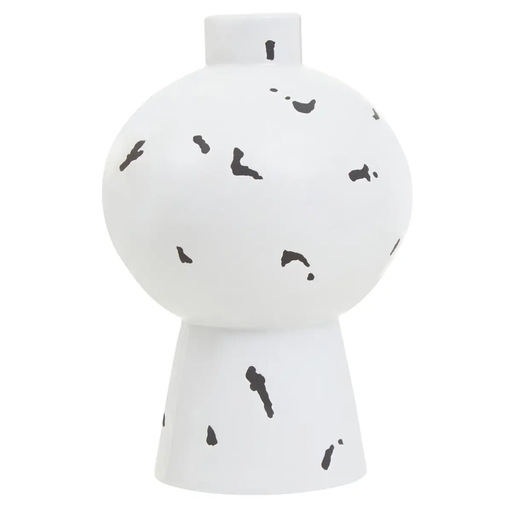
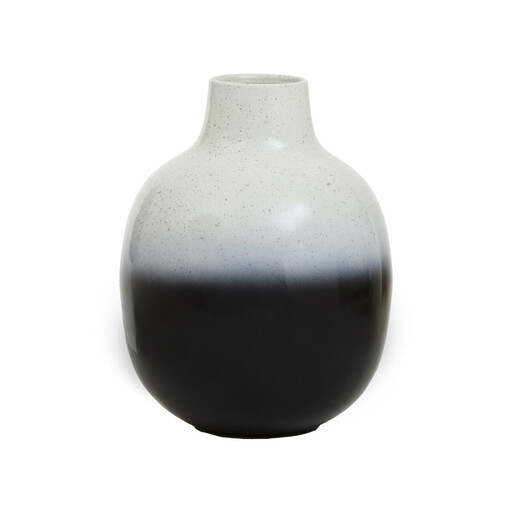
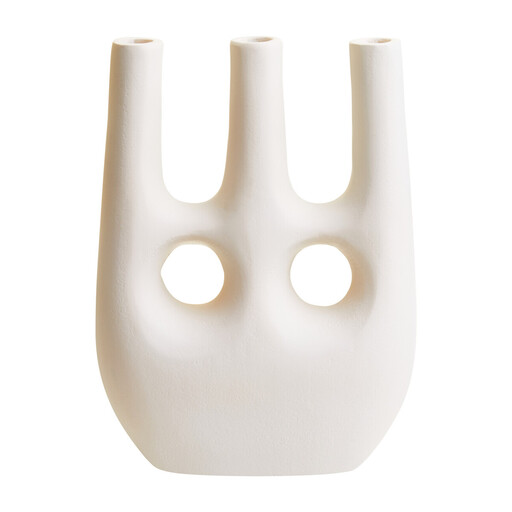
If you are drawn to the clean and bright aesthetic of the pieces featured, you may find more inspiration in our broader collection. For a curated selection of versatile and elegant options, explore our full range of white vases.
A modern vase is typically characterised by clean lines, simple forms (like geometric or organic shapes) and a lack of ornate decoration. The focus is on the material and the silhouette itself. Modern design often favours a neutral colour palette—think white, black, grey and earthy tones—and materials like ceramic, metal and glass. The overall aesthetic is uncluttered and intentional.
A statement vase is designed to be a focal point, so it's best to give it space to shine. Place it on a clean surface like a console table, a minimalist mantelpiece or a side table. You can display it empty to appreciate its sculptural form, or with a very simple arrangement, such as a few dried stems or a single dramatic branch. Avoid cluttering the area around it to maintain its impact.
Not always. It depends on the material and finish. Vases made from porous materials like unglazed earthenware or certain metals may not be fully watertight. It is always important to check the product's care instructions. For many sculptural vase designs intended primarily for decoration, it is safer to use them for dried flowers, faux botanicals or to display them as standalone art objects.