
24/7 Customer Support

Free returns

Same-day & Next-day Delivery

Quality Guaranteed

Unlock Your Welcome Offers: FREE Delivery | Up to 80% OFF | Free 30-day JoyPlus trial
Download the APP
Choosing a new helmet is one of the most important decisions a rider can make. The modular motorcycle helmet, also known as a flip-up helmet, offers a compelling blend of the protection of a full-face lid with the convenience of an open-face design. However, the market is filled with options, and it's easy to fall for marketing hype or end up with a helmet that compromises on safety or comfort.
As the Joybuy Product Recommendation Officer, my role is to help you navigate these choices. This guide cuts through the clutter, focusing on the critical factors you need to consider and highlighting common pitfalls to avoid before you buy your next motorbike helmet in the UK.
Before looking at features, it's crucial to be aware of the traps that can lead to a poor purchase.
To ensure you get a helmet that is safe, comfortable and practical, focus on these non-negotiable specifications.
The single most important factor is safety certification. As of 2024, the ECE 22.06 helmet standard is the legal requirement for all new helmets sold in the UK and Europe. This is a significant upgrade from the previous 22.05 standard.
A helmet is only effective if it fits correctly. The outer shell, typically made from a thermoplastic like Acrylonitrile Butadiene Styrene (ABS) or a more expensive composite, provides the first line of defence. The inner Expanded Polystyrene (EPS) liner is what absorbs the impact energy.
For daily commuting or long-distance touring, practical features make all the difference.
Based on the critical parameters of safety, functionality and value, here are our recommendations matched to different rider profiles.
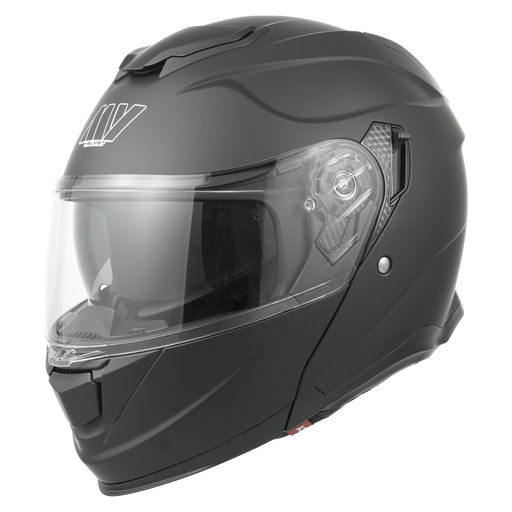
Why This Fits Their Persona: The flip-up chin bar is perfect for the stop-start nature of city commuting, allowing for easy conversation at petrol stations or traffic lights. The integrated dual visor system means you are prepared for a sudden downpour or low sun on your way home.
This helmet is fully ECE R 22.06 approved, avoiding the pitfall of outdated safety standards. Its dual visor is integrated smoothly, not a flimsy add-on.
Combines the protection of a full-face helmet with the convenience of an open-face. The high-strength ABS shell provides robust protection for urban environments.
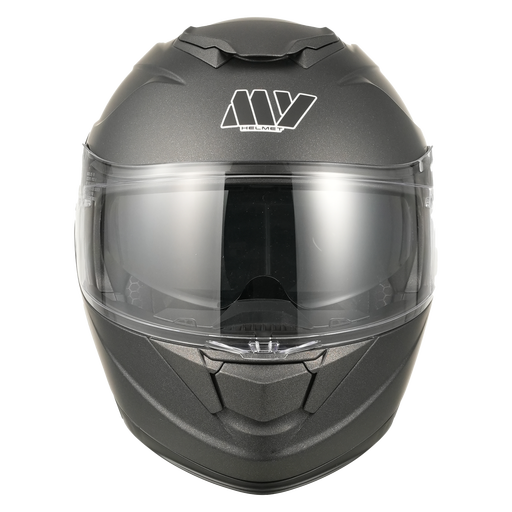
Why This Fits Their Persona: A touring motorcycle helmet must prioritise comfort and connectivity. This model features a comfortable inner lining for long hours on the road and, critically, a dedicated space for a Bluetooth intercom system, essential for navigation and communication on a long tour.
It directly counters the "Bluetooth-ready" myth by providing a reserved Bluetooth headset slot, ensuring a proper, comfortable fit for communication devices without pressing on your ears.
Designed for long-ride comfort with a moisture-wicking liner and dedicated communication system integration. The dual visor is invaluable for changing light conditions on cross-country journeys.
We have compiled a complete, real-time list of products that fully satisfy these strict selection criteria and UK safety regulations.
This is a common concern. A well-constructed modular helmet that is certified to the ECE 22.06 standard offers a high level of protection. This certification includes rigorous testing of the chin bar and its locking mechanism to ensure it remains secure during an impact. When locked in the closed position, a certified modular helmet is designed to provide protection comparable to that of a full face motorcycle helmet.
The widely accepted guidance from most manufacturers and safety bodies is to replace your helmet every 3 to 5 years, even if it looks fine. The materials used in the helmet's construction, particularly the impact-absorbing EPS liner, degrade over time due to exposure to sweat, hair products and UV light. It is absolutely essential to replace your helmet immediately after it has sustained any impact, as its protective integrity may be compromised even if there is no visible damage.
Most helmets with a dedicated motorcycle helmet with bluetooth slot are designed to accommodate universal intercom systems from major brands. The recessed pockets for speakers and channels for wires provide a standardised space. However, it is always a good practice to check the dimensions of the helmet's recesses against the specifications of the communication system you plan to purchase to ensure a perfect fit.