
24/7 Customer Support

Free returns

Same-day & Next-day Delivery

Quality Guaranteed

Unlock Your Welcome Offers: FREE Delivery | Up to 80% OFF | Free 30-day JoyPlus trial
Download the APP
Choosing a new motorcycle helmet is one of the most important decisions a rider can make. The appeal of a modular motorcycle helmet is clear: the convenience of a full-face helmet with the open-face freedom for quick stops. However, the market is filled with options that can be confusing. Many riders fall into common traps, purchasing helmets that are either outdated, uncomfortable or lack the features they truly need. This guide will help you navigate the key considerations and avoid those costly mistakes.
Before looking at features, it is crucial to be aware of the pitfalls that can lead to a poor purchase.
To ensure you get a helmet that is safe, comfortable and practical for UK roads, focus on these non-negotiable specifications.
The single most important factor in your decision should be safety certification. As of 2024, the ECE 22.06 certified helmet standard is the benchmark for new helmets sold in the UK. This updated regulation is far more rigorous than its predecessor and includes:
A helmet carrying the ECE 22.06 label has passed this comprehensive set of tests, offering a higher, more modern level of protection.
A helmet's daily usability often comes down to its visor and build. For the variable British weather, a dual visor motorcycle helmet is exceptionally practical. The main clear visor provides protection from wind and rain, while a retractable internal sun visor can be deployed instantly to combat sun glare, removing the need to carry separate sunglasses.
Look for shells made from materials like high-strength Acrylonitrile Butadiene Styrene (ABS), which offers a good balance of impact resistance and affordability. Also, consider the helmet's weight and aerodynamics, especially if you plan on using it as a touring helmet for long journeys on the motorway.
We have filtered the options to match specific rider needs, ensuring each recommendation meets modern safety standards and avoids the common pitfalls.
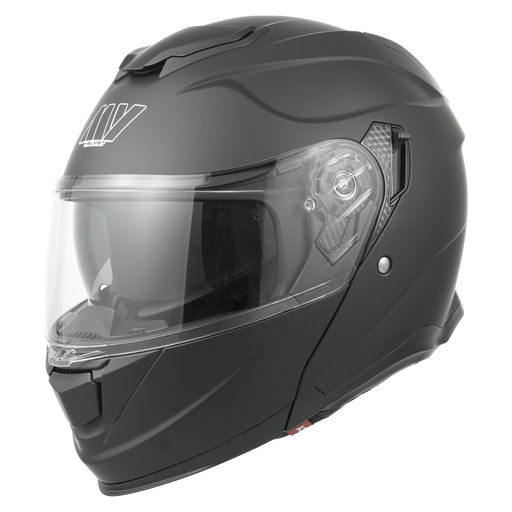
Why This Fits Their Persona: Ideal for city riding, the flip-up chin bar offers great convenience for short stops at petrol stations or shops. The dual visor system is perfect for handling the sudden changes from bright sunlight to overcast skies common in UK urban environments.
This helmet is fully ECE R 22.06 approved, ensuring it meets the latest, most stringent safety standards, not the outdated 22.05 certification.
Features a high-strength ABS shell and a practical dual visor system. The comfortable inner lining is designed to keep you dry during commutes.
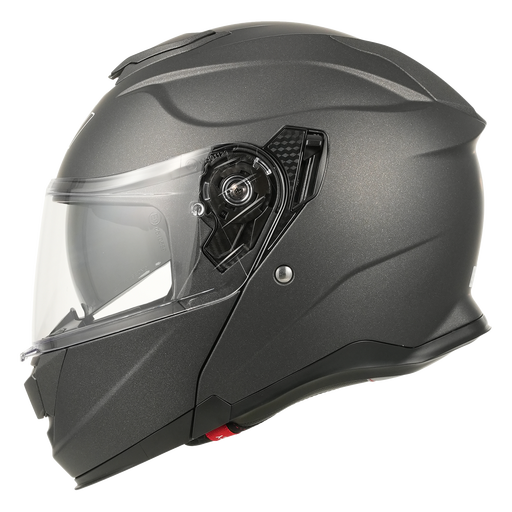
Why This Fits Their Persona: For riders spending hours on the motorway, comfort is key. This helmet includes a comfortable lining for long-distance rides and a reserved slot for a Bluetooth headset, making it a practical choice for a touring helmet.
It avoids the "vague Bluetooth" trap by providing a clearly defined reserved Bluetooth headset slot, designed for easy installation of an intercom system without guesswork.
ECE 22.06 certified for safety on long journeys. The dual visor system and dedicated space for communications gear make it a versatile touring companion.
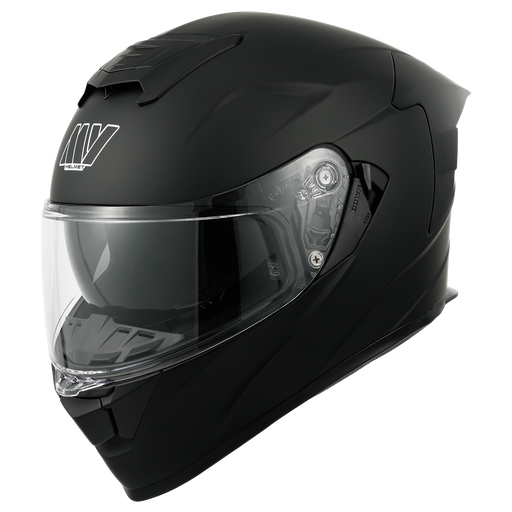
Why This Fits Their Persona: This helmet combines modern safety with a sleek, understated aesthetic. The matte black motorcycle helmet finish is a popular choice that pairs well with any bike or gear, offering a modern look without compromising on essential features.
It features a robust flip-up mechanism and an integrated inner sun visor, avoiding the flimsy build quality and after-thought features found on lower-quality, style-over-substance helmets.
Also ECE 22.06 approved, it provides top-tier safety in a stylish package. The removable and washable inner lining helps maintain hygiene and comfort.
We have compiled a complete, real-time list of products that fully satisfy these strict selection criteria and UK safety regulations.
Look for helmets that are ECE 22.06 certified. As part of this new standard, the chin bar and its locking mechanism undergo rigorous testing to ensure they provide sufficient protection and remain locked during an impact. Some modular helmets are also 'P/J' rated, meaning they are certified for use in both the full-face (P) and open-face (J) positions, offering an extra layer of assurance.
Historically, modular helmets could be noisier due to the seams and mechanisms in the chin bar. However, modern designs have improved significantly. Helmets with advanced aerodynamics, a snug neck roll and a high-quality chin bar seal will minimise wind noise. For riders particularly sensitive to noise, especially on long tours, wearing earplugs is always a recommended practice.
An incorrect fit compromises both comfort and safety. To find your size, use a soft measuring tape to measure the circumference of your head. Wrap the tape around your head approximately 2cm above your eyebrows, keeping it level all the way around. Compare this measurement in centimetres to the manufacturer's sizing chart. A new helmet should feel snug all around your head and cheeks, without creating uncomfortable pressure points. It should not move or rotate when you shake your head.