
24/7 Customer Support

Free returns

Same-day & Next-day Delivery

Quality Guaranteed

Unlock Your Welcome Offers: FREE Delivery | Up to 80% OFF | Free 30-day JoyPlus trial
Download the APP
Condensation on windows, musty wardrobes and damp-smelling cupboards are familiar problems in many UK homes, particularly during colder months. A moisture absorber can help manage humidity in enclosed spaces without the noise or electricity use of a powered appliance. However, choosing the wrong type can waste money or create avoidable mess.
This guide explains the main buying traps, the specifications worth checking and suitable options for wardrobes, bathrooms, garages, caravans, vehicles and other enclosed areas.
Bamboo charcoal and activated carbon bags are commonly described as moisture absorbers and odour eliminators. They can be useful for stale smells and light humidity in small spaces, but they do not collect liquid in a tank like a calcium chloride dehumidifier bag or passive dehumidifier.
If your priority is visible water collection or condensation control, select a crystal-based system. For shoes, gym bags, pet areas, drawers and car interiors where odour reduction is the main concern, a charcoal bag may be more suitable.
A small hanging dehumidifier bag may be practical inside a wardrobe but unsuitable for a large bedroom or damp garage. Product coverage figures also depend on ventilation, temperature and the amount of moisture entering the space.
Check whether the stated capacity is given in square metres, cubic metres or a small enclosed area. Do not assume that using one wardrobe dehumidifier in a whole home will produce the same result as a dedicated home dehumidifier.
Single-use bags need replacing when the crystals dissolve or the collection section becomes full. They must be hung securely and kept away from clothing, leather, electronics and other moisture-sensitive items because the collected liquid may cause damage.
A refillable moisture absorber costs more initially but may reduce ongoing container waste. It also requires you to purchase compatible refill crystals, so check refill availability before buying.
There are three practical categories:
For basic humidity control in an enclosed area, a non-electric dehumidifier is often simpler to position and operate.
A compact product is easier to place in a wardrobe or cupboard, but its capacity may be limited. For example, the ABSODRY 220-ADB is listed for spaces up to 50 m³, while the ABSODRY Series 3 230-ADB is listed for approximately 30 m³.
A hanging bag saves shelf space, but it needs room beneath the bag for liquid collection. A container-style moisture absorber should stand on a stable, level surface and remain accessible for checking the water level.
Look for a clear tank, a dual-chamber design and refill compatibility if you want a longer-term system. Charcoal bags have different maintenance requirements: the Zooly versions specify sun-drying for at least two hours once a month and state a service life of up to two years under the stated conditions.
Always follow the instructions supplied with the product. Keep calcium chloride products away from children and pets, avoid contact with skin and eyes and do not place liquid-collecting bags directly above valuable belongings.
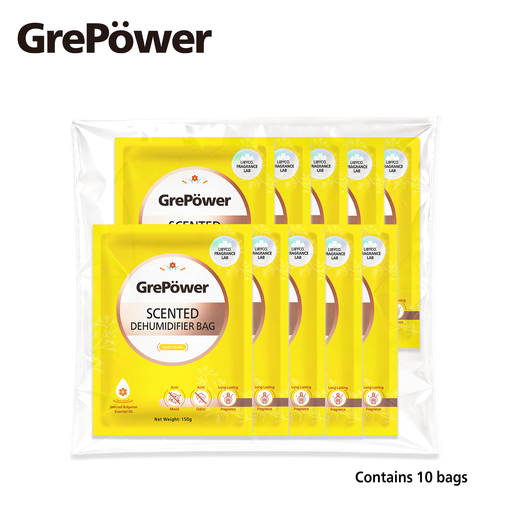
Why This Fits Their Persona: A practical multi-pack for renters and households that want to place bags in several wardrobes, cupboards, bedrooms or garages without buying multiple containers.
It is clearly a hanging, single-use calcium chloride bag, so buyers can plan for replacement rather than expecting a refillable system.
Ten bags per pack; vanilla fragrance; suitable for wardrobes, kitchens, garages, bedrooms, offices and basements.
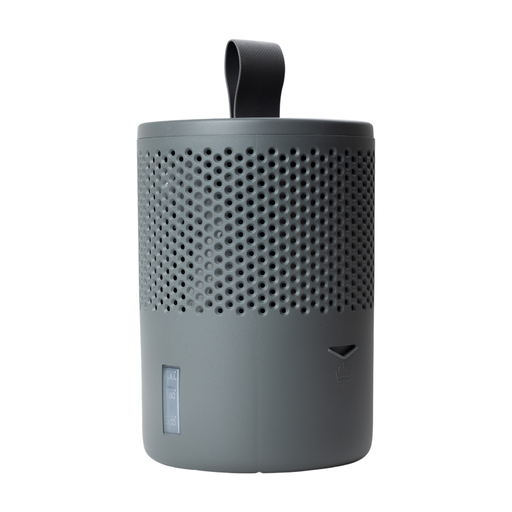
Why This Fits Their Persona: Suitable for homeowners, landlords and caravan or boat owners who prefer a reusable container with a discreet appearance and straightforward monitoring.
The stated capacity and refillable design make it easier to match the appliance to an enclosed area and budget for replacement crystals.
Non-electric operation; reusable container; clear lower tank; dual-chamber design; listed for spaces up to 50 m³.
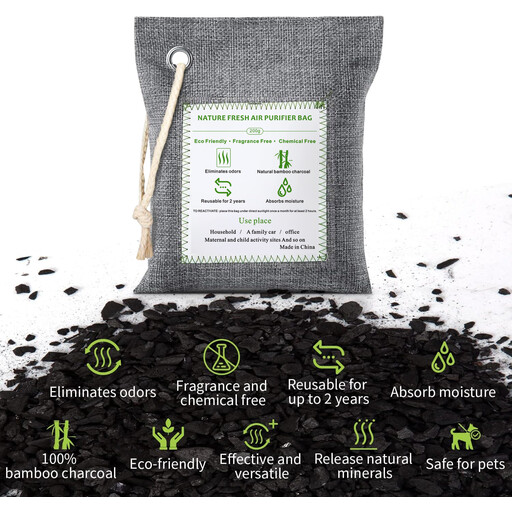
Why This Fits Their Persona: A fragrance-free option for shoes, pet areas, drawers, gym bags, wardrobes and car interiors where stale odours are the main concern.
Its charcoal format indicates passive odour and light moisture adsorption rather than liquid collection, helping prevent unrealistic expectations.
Double-layer linen bags; hanging loops; fragrance-free format; monthly sun-drying recommended; suitable for multiple small spaces.
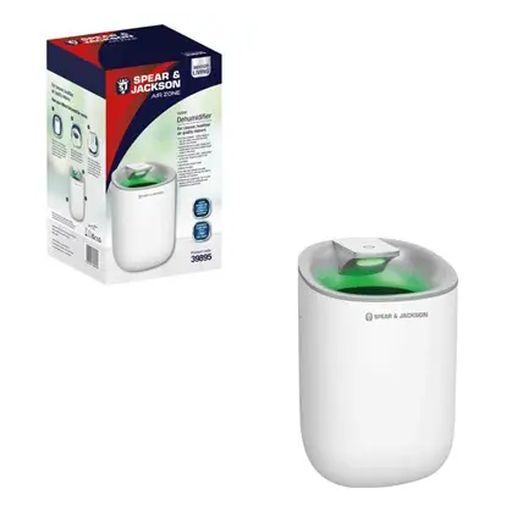
Why This Fits Their Persona: A suitable route for people managing humidity in a small room who can provide electricity and want a powered alternative to passive products.
The 600ml tank, stated operating area of up to 15 m² and orange full-tank indicator provide clearer practical limits than vague room-size claims.
Touch controls; defrost function; stated noise level of no more than 35 dB; portable one-kilogram design.
We have compiled a complete, real-time list of products that fully satisfy these strict selection criteria and UK safety regulations.
A moisture absorber can support humidity control, but it does not replace ventilation, heating, repairs to leaks or professional treatment of established mould and structural damp.
It depends on room conditions, product size and humidity levels. The ABSODRY Series 3 refill is listed for approximately one to three months, while disposable hanging bags should be replaced when saturated. Bamboo charcoal bags can be reused with monthly sun-drying, subject to the manufacturer’s stated service conditions.
They do not use electricity, so there is no electrical running cost. However, refill crystals or replacement bags still create an ongoing cost. For a small wardrobe or cupboard, this may be more convenient than operating a powered home dehumidifier.
It may help reduce excess moisture in a suitable enclosed space, which can support mould prevention. It cannot remove existing mould or resolve leaks, penetrating damp or inadequate ventilation. Address the underlying source of moisture and use the absorber according to its coverage and safety instructions.