
24/7 Customer Support

Free returns

Same-day & Next-day Delivery

Quality Guaranteed

Unlock Your Welcome Offers: FREE Delivery | Up to 80% OFF | Free 30-day JoyPlus trial
Download the APP
Condensation on windows, musty wardrobes and damp-smelling cupboards are common problems in UK properties, particularly during colder months. A moisture absorber can help manage humidity in enclosed areas without the noise or running cost of a full-size appliance. However, not every product suits every room.
The main buying mistake is choosing based only on pack size or a phrase such as “long-lasting humidity control”. Before purchasing, check the absorption method, coverage guidance, liquid-handling design and whether the product is reusable or single-use.
Bamboo charcoal bags and other odour absorbers can be useful in shoes, cars, drawers and wardrobes where stale smells are the main concern. They are not equivalent to a calcium chloride damp absorber when you need visible moisture collection.
Charcoal bags adsorb odours and some moisture, but they do not usually collect liquid in a tank. For persistent condensation or damp air, look for a crystal-based absorber or an electric dehumidifier with a specified tank capacity.
A small cupboard dehumidifier may be suitable for a wardrobe or cupboard but insufficient for a larger bedroom, garage or boat cabin. Product coverage figures are generally guidelines rather than guarantees because humidity, ventilation, temperature and the condition of the room all affect performance.
For example, the ABSODRY 220-ADB is listed for spaces up to 50 m³, while the ABSODRY Series 3 230-ADB is listed for approximately 30 m³. Match the stated capacity to the enclosed space rather than assuming one unit will handle an entire home.
Some hanging moisture absorber bags are designed to be discarded when saturated. A refillable moisture absorber, by contrast, allows the container to be retained while replacing only the crystal refill.
Check whether the collected liquid is separated from the crystals, whether the tank level is visible and how the product should be disposed of. Do not place a hanging bag directly above clothing, electrical equipment, leather or other moisture-sensitive items.
The most relevant distinction is between:
A non-electric dehumidifier is silent and does not add to electricity use, making it practical for wardrobes, cupboards, caravans and boats. An electric unit may be more suitable when you need active air circulation or regular moisture removal in a small room.
Look for a stated room volume or area and compare it with the intended location. A compact unit measuring around 21 cm high can fit on a shelf or floor, but it still needs a stable, level surface and clearance around the air path or collection area.
Hanging bags save shelf space, while charcoal bags can be placed inside drawers, shoe cabinets, gym bags and vehicles. For larger enclosed spaces, several smaller products may be more practical than relying on one undersized absorber.
A refillable unit can reduce packaging waste and avoid repeatedly buying complete containers. The ABSODRY 220-ADB and Series 3 230-ADB both use a reusable container with crystal refill packs. The Series 3 model is listed with an approximate refill duration of one to three months, depending on room conditions.
Single-use bags are convenient, but they must be replaced when the granules dissolve or the lower collection section is nearly full. Bamboo charcoal air purifier bags require regular airing in sunlight according to the product instructions. Consider this maintenance before choosing a wardrobe moisture absorber for a property that is not visited frequently.
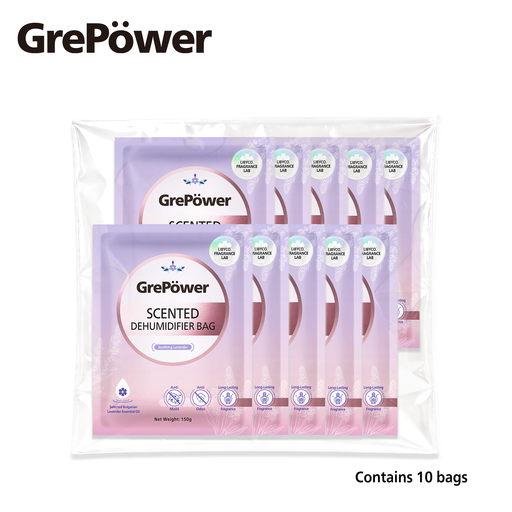
Why This Fits Their Persona: A practical starting point for renters and households needing several wardrobe, kitchen, garage or bedroom placements without installing equipment.
The pack uses calcium chloride and provides a lower collection area, making its intended humidity-control function clearer than an odour-only bag. It is single-use, so there is no false expectation of refilling.
Ten hanging bags, no electricity and a lavender fragrance. Replace each bag when saturated and keep it away from children, pets and valuable items.
Why This Fits Their Persona: Suitable for homeowners, boat owners and caravan users who prefer a discreet, reusable system for enclosed areas up to 50 m³.
Its stated coverage, visible lower tank and dual-chamber construction help you assess capacity and monitor collected liquid rather than guessing from appearance.
Silent, non-electric operation, reusable container, calcium chloride crystals and refill compatibility. The listed dimensions are H21 × W14.3 × D14.3 cm.

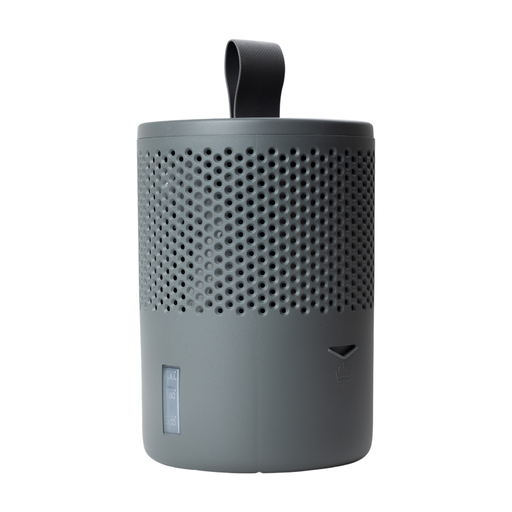
Why This Fits Their Persona: A fit for users who need active moisture removal in a small room of up to 15 m² and have access to a mains socket.
The 600ml tank and orange full-tank indicator make maintenance easier to identify. It is clearly an electric appliance, so buyers can account for socket access and running costs.
Touch-button controls, defrost function and listed noise output of ≤35dB. Follow the safety instructions and unplug before cleaning or when not in use.
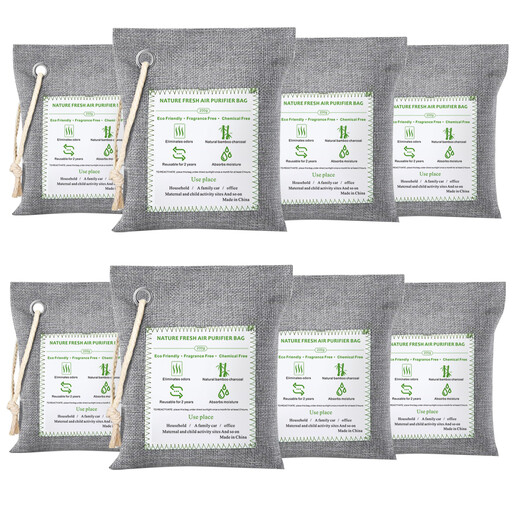
Why This Fits Their Persona: Useful for wardrobes, drawers, shoes, cars, pet areas and gym bags where fragrance-free odour management is a priority.
The product is a breathable charcoal bag rather than a liquid-collecting dehumidifier. This makes its role clearer: choose it for odours and light moisture, not significant condensation.
Fragrance-free construction, hanging loops and monthly sunlight maintenance. Keep the bags dry, away from heat and out of reach of children.
We have compiled a complete, real-time list of products that fully satisfy these strict selection criteria and UK safety regulations.
Place a passive moisture absorber on a stable, level surface with room around the container. Hanging bags should have enough space below them for the collection section and should not touch clothing or furnishings.
Use ventilation alongside an absorber: open windows when appropriate, avoid drying large amounts of laundry in poorly ventilated rooms and investigate leaks or penetrating damp. A moisture absorber can support day-to-day humidity control, but it cannot repair structural damp, plumbing faults or inadequate building ventilation.
For mould prevention, remove existing mould safely and address the underlying moisture source. Keep calcium chloride products away from skin, eyes, children and pets, and follow the disposal guidance supplied with the product.
It depends on room humidity, temperature, product capacity and the amount of moisture present. Some refillable systems list an approximate period of one to three months, while hanging bags should be replaced when the collection area is nearly full or the crystals have dissolved. Always follow the product instructions.
No. A passive moisture absorber uses crystals or another absorbent material, so it does not need a plug or batteries. This makes it suitable for wardrobes, cupboards, caravans and boats. It generally provides less active air movement than an electric dehumidifier.
Yes, hanging bags are designed for enclosed spaces such as wardrobes, cupboards and storage areas. Position them securely and avoid placing them directly above clothing, footwear, electronics or valuables. For musty odours without liquid collection, reusable bamboo charcoal bags may be a more suitable option.