
24/7 Customer Support

Free returns

Same-day & Next-day Delivery

Quality Guaranteed

Unlock Your Welcome Offers: FREE Delivery | Up to 80% OFF | Free 30-day JoyPlus trial
Download the APP
By Joybuy Product Recommendation Officer
That tell-tale musty smell, condensation streaming down windows or the unwelcome sight of dark spots on walls and fabrics. Excess moisture is a persistent problem in many UK homes, leading to issues that range from unpleasant odours to the potential for mould growth. A moisture absorber is often the first port of call for a simple, cost-effective solution.
However, the market is filled with products that can under-deliver. Before you spend your money, it is important to understand the common pitfalls that lead to disappointment and a damp problem that refuses to go away.
The 3 Pitfalls of Choosing the Wrong Damp Absorber
To ensure you are getting a product that provides effective humidity control, focus on these key parameters. They separate the genuinely useful tools from the ineffective gadgets.
The vast majority of non-electric dehumidifier products use hygroscopic crystals, most commonly calcium chloride, to draw moisture from the air. The key to their efficiency lies in the design of the refill and the device itself.
A reliable moisture absorber should be a set-and-forget solution, not a household hazard.
Matching the product to the space is critical. A wardrobe dehumidifier is not built to handle a damp utility room, and vice versa.
Based on these practical criteria, we have matched several products to common user needs.
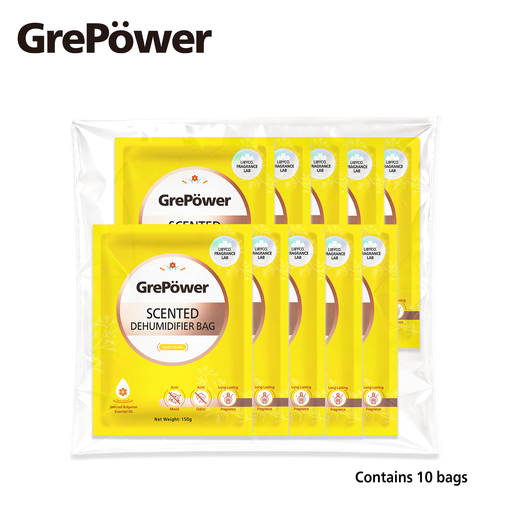
Why This Fits Their Persona: Ideal for renters or homeowners wanting to tackle mustiness in multiple small, enclosed spaces like wardrobes, under-sink cupboards or a caravan without a large initial investment. The multi-pack offers great value.
It is explicitly designed as a wardrobe dehumidifier, so it doesn't over-promise on room coverage. The single-use, sealed-bag design completely eliminates the risk of spilling collected liquid.
Low upfront cost and extreme ease of use. Simply hang it and dispose of it when full. Perfect for targeted humidity control in multiple small spots.
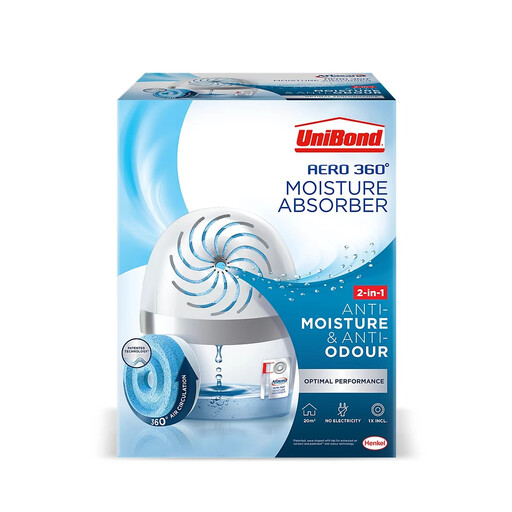
Why This Fits Their Persona: A great fit for someone needing a reliable, refillable solution for a medium-sized room (up to 20m?) like a bathroom, kitchen or bedroom that suffers from regular condensation.
The device has a stable base and an integrated spill-prevention system. Its unibond aero 360 refills feature a patented wave shape for high efficiency and a lifespan of up to 3 months, countering the short-lived refill pitfall.
The aerodynamic 360° design promotes efficient air circulation for better performance. Refills are widely available in various scents, and the unit is made from 60% recycled plastic.
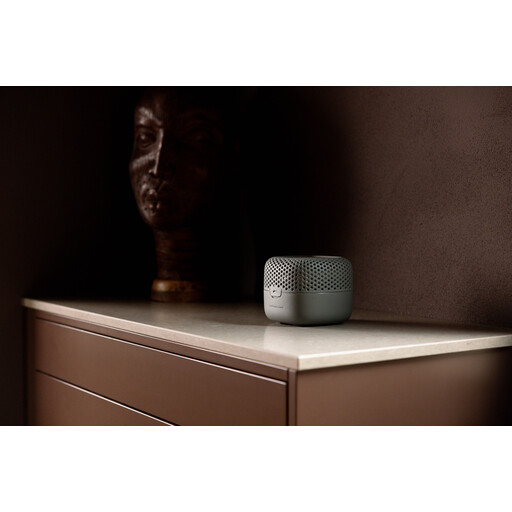
Why This Fits Their Persona: For those who need an effective damp absorber but don't want a clinical-looking plastic box clashing with their decor. The modern Scandinavian design blends seamlessly into living rooms, bedrooms and stylish utility areas.
This unit features a secure dual-chamber system that keeps the crystals and collected water separate, minimising spill risk. Its coverage area is clearly defined (up to 30m?), setting realistic expectations.
Its primary advantage is its aesthetic design, available in several modern colours. It operates silently and effectively without compromising on the look of your home.
We have compiled a complete, real-time list of products that fully satisfy these strict selection criteria and UK safety regulations.
The lifespan of a moisture absorber refill depends heavily on the humidity level, room temperature and ventilation. For most refillable units like the UniBond or Absodry systems, a single 450g tab or bag typically lasts between 1 and 3 months. Hanging bags may have a shorter lifespan, especially in very damp cupboards.
For optimal performance, place your damp absorber where the problem is most evident. This is often on a windowsill to catch condensation, in the corner of a room with poor airflow, inside a wardrobe or in a bathroom that lacks an extractor fan. Ensure it is on a flat, stable surface where it will not be easily knocked over.
The active crystals (calcium chloride) and the collected liquid are irritants and should not be ingested or come into contact with skin or eyes. It is essential to place all moisture absorbers well out of the reach of children and pets. Always follow the manufacturer's safety warnings printed on the packaging.