
24/7 Customer Support

Free returns

Same-day & Next-day Delivery

Quality Guaranteed

Unlock Your Welcome Offers: FREE Delivery | Up to 80% OFF | Free 30-day JoyPlus trial
Download the APP
Choosing a moisturiser cream can seem straightforward until you compare face moisturiser, body moisturiser, hydrating cream and specialist formulas. A product may feel rich but still fail to suit your skin, while an attractive ingredient list may not match your actual needs.
For UK shoppers, the most useful approach is to look beyond fragrance, packaging and ambitious marketing language. Check where the product is intended to be used, how it feels on your skin and whether the formula contains ingredients you know you tolerate.
A thick cream can create a comfortable surface film, but texture alone does not tell you how well it suits your skin. Humectants such as glycerin, hyaluronic acid and urea help attract water, while oils, shea butter and paraffin-based ingredients can help reduce moisture loss.
For very dry skin, a richer dry skin cream may be useful. Combination or acne-prone skin may prefer a lighter gel cream that absorbs quickly and leaves less residue.
Plant oils, essential oils and botanical extracts can be appealing, but they may not suit everyone. Fragrance allergens such as limonene, linalool and citral appear in many scented products. If you are looking for a fragrance-free moisturiser, always check the current ingredient list rather than relying only on front-of-pack wording.
Those with reactive or eczema-prone skin should be particularly cautious with fragranced formulas and patch test new products before wider use.
A face moisturiser is usually designed with facial texture and application in mind, whereas a body moisturiser may be supplied in a larger size and have a richer or more strongly scented formula. A baby moisturiser also needs especially careful ingredient checking.
Likewise, an anti-ageing moisturiser can support a comfortable, hydrated appearance, but it should not be treated as a replacement for sunscreen or as a guaranteed solution for wrinkles.
Start with the intended use:
A useful moisturising cream combines different types of ingredients:
Ceramides, cholesterol and fatty acids are commonly used in barrier-focused formulas. However, a longer ingredient list is not automatically better. Prioritise ingredients that match your concern and check for fragrance, nut oils or other potential allergens.
Consider when and where you will use the product. A 30ml tube may suit handbags, travel or targeted dry patches, while a 500g tub is more practical for frequent body application. If you apply cream before makeup, a fast-absorbing formula may be preferable. For overnight use, a richer hydrating cream can be more comfortable.
Products containing paraffin or mineral oils may transfer to fabrics. Follow the label’s fire-safety instructions carefully, particularly when clothing, bedding or dressings have contacted the product.
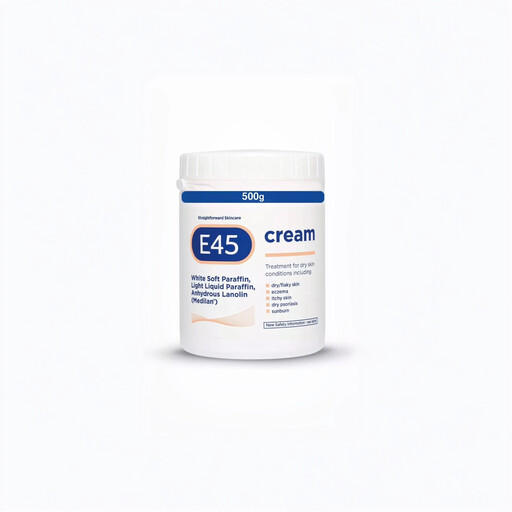
Why This Fits Their Persona: The large 500g format is practical for households needing a regular body, hand or face emollient during colder UK weather.
It is fragrance-free and lists white soft paraffin, light liquid paraffin and lanolin as its moisturising system, rather than relying on fragrance-led appeal.
Large household size; fragrance-free formula; suitable for frequent application as directed on the label.
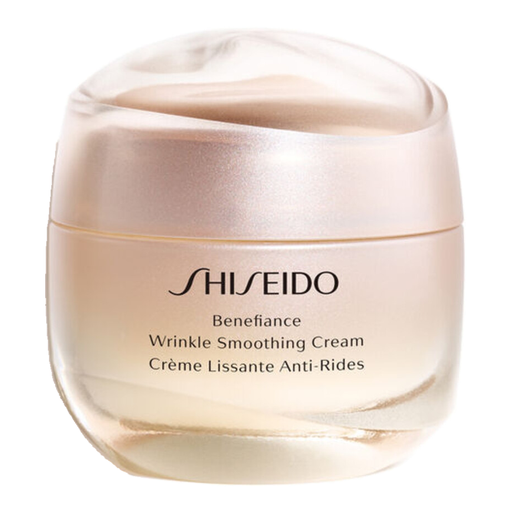
Why This Fits Their Persona: Suits shoppers seeking a dedicated facial cream with a silky texture and ingredients commonly selected for mature-looking or dry skin.
Its positioning is specific to facial moisturising and wrinkle-smoothing care, so it is easier to compare with other face creams than a general-purpose body product.
Contains niacinamide; designed for morning and evening facial use; 50ml size.
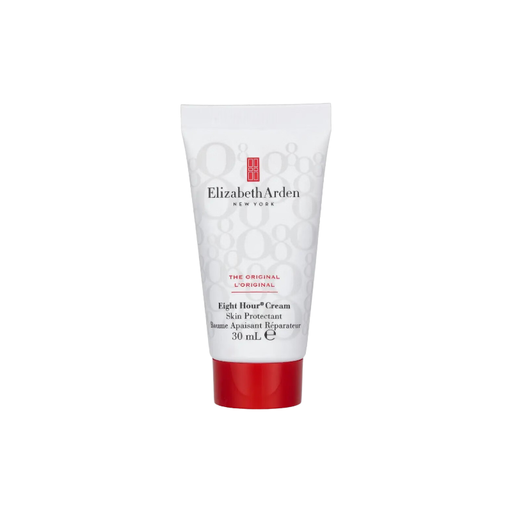
Why This Fits Their Persona: A compact option for targeted dry patches, lips, cuticles, heels and other small areas that need an occlusive layer.
The 30ml format encourages targeted use rather than buying a large cream that may not suit your preferred texture or routine.
Contains petrolatum, mineral oil, vitamin E and salicylic acid; can be applied to face, hands, feet or body as directed.
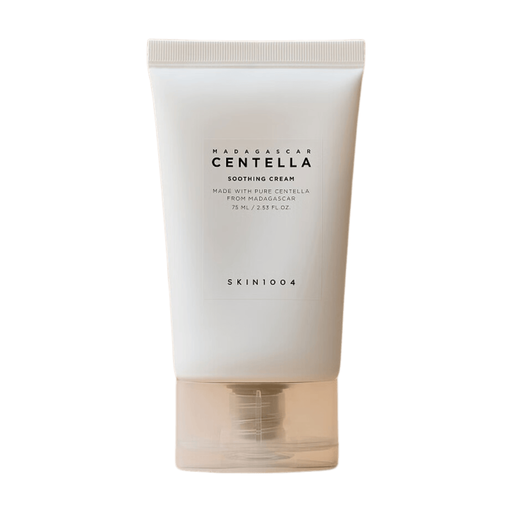
Why This Fits Their Persona: The gel-cream texture may suit shoppers wanting daily facial hydration without a heavy finish, particularly in heated indoor environments.
The listed formula focuses on centella asiatica, glycerin, sodium hyaluronate and several ceramides rather than fragrance-led sensory claims.
75ml face cream; non-greasy gel texture; includes ceramides, cholesterol and fatty acids.
Apply after cleansing, bathing or showering while skin is still comfortable and slightly damp. Dry or very dry skin may need reapplication during the day, while a lighter face moisturiser may be sufficient once or twice daily.
Some products are labelled for both face and body, but not all body creams are suitable for facial use. Check the directions and ingredient list first, especially if the formula is strongly fragranced, rich or contains ingredients that may feel heavy on your face.
Follow the period-after-opening symbol and storage instructions on the packaging. Keep creams away from direct sunlight and heat, close jars and tubes securely, and stop using a product if its smell, colour or texture changes. Always check the supplied label before use, particularly if you have allergies or sensitive skin.