
24/7 Customer Support

Free returns

Same-day & Next-day Delivery

Quality Guaranteed

Unlock Your Welcome Offers: FREE Delivery | Up to 80% OFF | Free 30-day JoyPlus trial
Download the APP
Living with dry, sensitive skin in the UK can be a constant battle against tightness, itchiness and flare-ups. Finding a reliable moisturiser feels like it should be simple, yet the shelves are crowded with products making bold claims. As a Joybuy Product Recommendation Officer, my role is to help you navigate this landscape and identify products that deliver genuine comfort and value, without the marketing jargon.
Many of us have been caught out by common shopping pitfalls. Before you spend another pound, let's look at the frequent traps that lead to disappointment:
To avoid these traps and find a moisturiser that truly works for you, focus on these core parameters. They are the foundation of an effective moisturiser for dry sensitive skin.
This is the most critical checkpoint. Always check the ingredients list for "parfum," "fragrance," or specific essential oils if your skin is reactive. A product labelled hypoallergenic has been formulated to minimise the risk of allergic reactions, making it a much safer starting point. This simple step can prevent a great deal of redness and discomfort.
Your skin has a natural protective barrier that holds moisture in and keeps irritants out. When this barrier is weakened, skin becomes dry, sensitive and prone to conditions like eczema. Look for a skin barrier repair cream containing ingredients that actively support this function:
The choice between a lotion and a cream isn't just about preference; it's about function.
cream for eczema uk sufferers might find more comforting.A good sensitive skin face moisturiser or body lotion for very dry skin should absorb well without leaving a sticky or greasy film, ensuring you'll actually want to use it every day.
Based on these practical criteria, we've matched some standout products to common UK user needs. Instead of a one-size-fits-all approach, this helps you find a formula that fits your specific lifestyle.
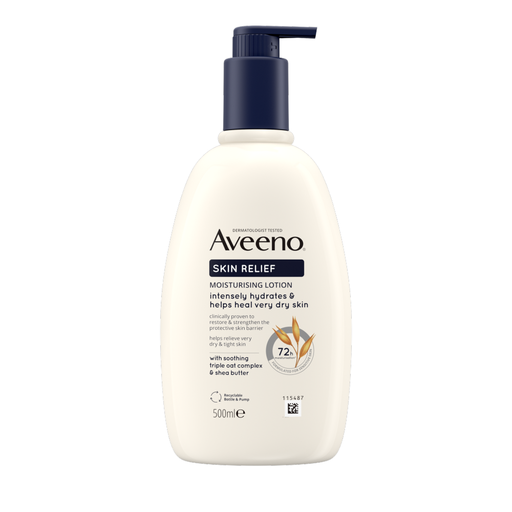
Why This Fits Their Persona: This user needs a reliable, large-format body lotion for daily, all-over application. The 500ml pump bottle is practical and cost-effective for consistent use to manage very dry, itchy skin on arms, legs and torso.
It is completely fragrance-free, avoiding the most common irritant. Its efficacy comes from a proven blend of a triple oat complex and shea butter, not a single hyped ingredient.
The formula is fast-absorbing and non-greasy, making it comfortable for daily wear under clothing. According to the brand's clinical studies, it provides long-lasting moisture for up to 72 hours.
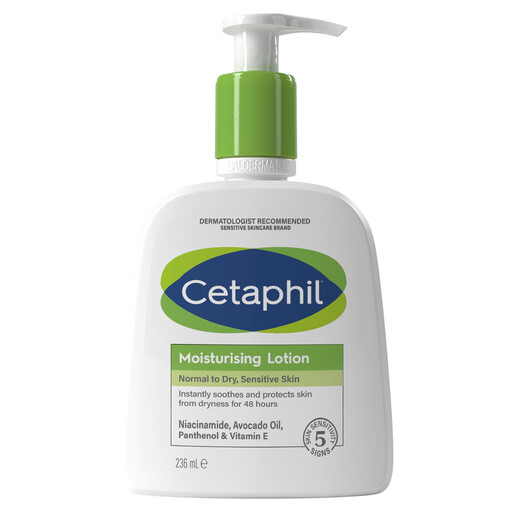
Why This Fits Their Persona: This person wants one simple, effective product for both face and body. They value a lightweight, non-comedogenic (won't clog pores) formula that hydrates without causing breakouts or irritation.
This is a classic example of a product that avoids marketing fads. It relies on a balanced, dermatologist-recommended formula with niacinamide and panthenol, rather than a single trendy ingredient.
Its lightweight, non-greasy texture makes it suitable for facial use, even under makeup. According to the brand, it is clinically proven to fully restore the skin's moisture barrier in one week.
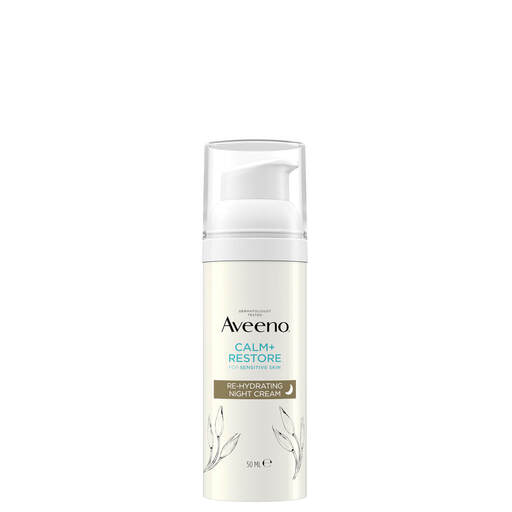
Why This Fits Their Persona: This user wants a dedicated, richer cream for their face to maximise skin repair overnight. They are focused on calming sensitivity and strengthening their skin barrier while they sleep.
This cream is fragrance-free and focuses on a synergistic blend of Prebiotic Oat and Calming Feverfew to soothe and repair, demonstrating the importance of a complete formula over a single ingredient.
Its rich, velvety texture is specifically designed for night-time use, providing intense nourishment without feeling greasy. It helps strengthen the skin's moisture barrier overnight for soothed skin by morning.
We have compiled a complete, real-time list of products that fully satisfy these strict selection criteria and UK safety regulations.
Here are answers to a few common questions UK shoppers have when choosing a moisturiser for dry, sensitive skin.
The main difference is the oil-to-water ratio. A lotion has more water, making it lighter and more easily absorbed, which is great for general body hydration. A cream has more oil, making it thicker and more occlusive. Creams are generally better for very dry, flaky patches or for use as an intensive night treatment, as they provide a stronger barrier to prevent moisture loss.
It depends on the formula. Some lotions, like the Cetaphil one mentioned, are specifically formulated to be non-comedogenic and gentle enough for both face and body. However, many body lotions are thicker and may contain ingredients that could clog pores on the more delicate facial skin, leading to breakouts. If you have acne-prone or very sensitive facial skin, it's often safer to use a dedicated sensitive skin face moisturiser.
Look for explicit claims on the packaging like "hypoallergenic," "fragrance-free" and "dermatologist tested." While "hypoallergenic" means the product is formulated to minimise allergic reactions, it's not an absolute guarantee. The most reliable approach is to check the full ingredients list to ensure it's free from known irritants like fragrance, alcohol and certain dyes. If you have severe sensitivities, performing a patch test on a small area of skin (like your inner arm) for 24 hours before applying to your face is always a sensible precaution.