
24/7 Customer Support

Free returns

Same-day & Next-day Delivery

Quality Guaranteed

Unlock Your Welcome Offers: FREE Delivery | Up to 80% OFF | Free 30-day JoyPlus trial
Download the APP
Dealing with dry, tight and flaky skin is a common frustration for many of us in the UK, especially as the weather shifts. The search for an effective moisturiser for dry skin can feel endless, with shelves overflowing with products all promising relief. However, many of these fall short, leaving you with a drawer full of half-used tubs and continued discomfort.
As a Joybuy Product Recommendation Officer, my role is to help you navigate the market and identify what truly works. Before you spend another pound, let's look at the common pitfalls that lead to disappointing purchases and how to avoid them.
To find a product that delivers lasting comfort, focus on the formulation's core components rather than just the marketing claims. Here are the key parameters to check.
A high-quality moisturiser for dry skin should contain a balanced blend of these three types of ingredients to effectively manage hydration.
The right texture depends on your skin's level of dryness and where you'll be using the product.
For sensitive skin, always look for formulas that are fragrance-free and hypoallergenic to minimise the risk of irritation.
Instead of a generic list, we've matched some effective options to specific user needs, helping you find a product that aligns with your lifestyle and skin concerns.
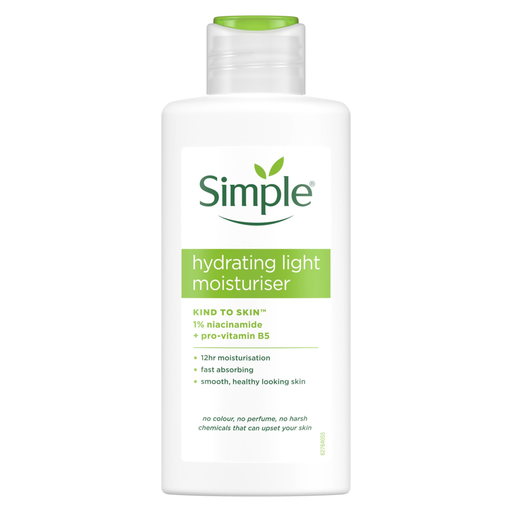
Why This Fits Their Persona: An excellent starting point for those needing a reliable, no-fuss daily moisturiser that won't break the bank. It's gentle enough for sensitive facial skin but effective for everyday hydration.
It avoids the "one-size-fits-all" trap by being specifically formulated for sensitive skin. It relies on a proven blend of vitamins and moisturisers, not a single hyped ingredient.
Fast-absorbing and lightweight formula enriched with Niacinamide and Pro-Vitamin B5. It's hypoallergenic and free from alcohol, artificial colours and perfume.
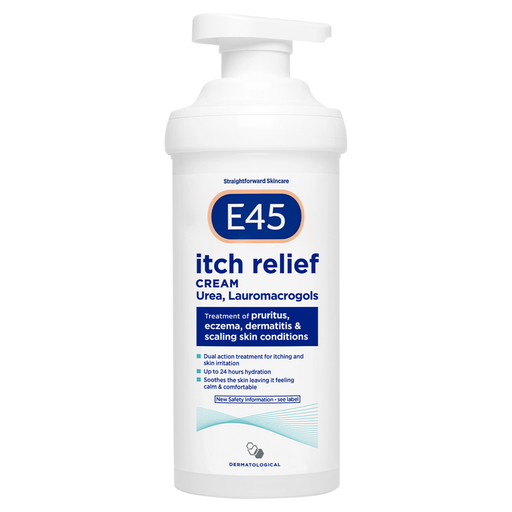
Why This Fits Their Persona: Ideal for individuals and families dealing with very dry, itchy conditions like eczema or dermatitis. The large pump dispenser makes it a practical choice for frequent, all-over body application.
This cream directly addresses the need for true skin barrier support and symptom relief, rather than just superficial hydration. Its dual-action formula is purpose-built for problem skin.
Contains Urea, a powerful humectant, and Lauromacrogols, a topical anaesthetic to soothe itching. It's fragrance-free, non-greasy, and suitable for infants over one month.
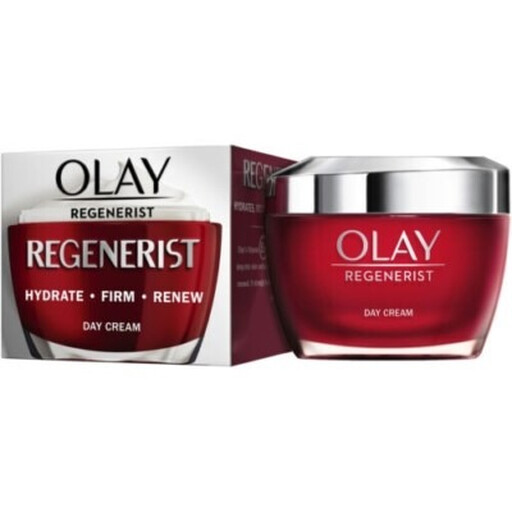
Why This Fits Their Persona: For those seeking an effective **anti-ageing cream UK** consumers trust, which also provides intense hydration for dry skin. It targets both moisture loss and signs of ageing like fine lines and loss of firmness.
This cream offers a multi-benefit formula with a blend of active ingredients, moving beyond the "miracle ingredient" trap. It combines hydration with peptides for a targeted anti-ageing approach.
Infused with Niacinamide (Vitamin B3) and Amino-Peptides. The formula is designed to hydrate, help firm the skin and reduce the appearance of wrinkles.
We have compiled a complete, real-time list of products that fully satisfy these strict selection criteria and UK safety regulations.
1. How often should I apply moisturiser for very dry skin? For very dry skin, consistency is key. It is advisable to moisturise at least twice daily: once in the morning to protect your skin throughout the day and once at night to support its repair process. You should also reapply after bathing or washing your hands to replenish lost moisture immediately.
2. Can I use the same moisturiser for my face and body? While some gentle, non-comedogenic (won't clog pores) creams are suitable for both, it's often better to use separate products. Facial skin is typically more delicate and prone to breakouts, so a dedicated face moisturiser for sensitive skin is usually lighter. A body lotion for very dry skin can be richer and thicker to handle tougher areas like elbows and knees.
3. What is the main difference between a day cream and a hydrating night cream? Day creams are generally lighter in texture and designed to be worn under makeup. Many also contain ingredients like UV filters for protection against environmental stressors. A hydrating night cream is typically richer and focuses on repair and regeneration, containing a higher concentration of active ingredients that work best while you sleep, without the need for a non-greasy finish.