
24/7 Customer Support

Free returns

Same-day & Next-day Delivery

Quality Guaranteed

Unlock Your Welcome Offers: FREE Delivery | Up to 80% OFF | Free 30-day JoyPlus trial
Download the APP
Navigating the world of skincare can feel like a minefield, especially when you have sensitive skin. A simple search for a new face cream can leave you overwhelmed by promises of miracle transformations and complex ingredient lists. As a Joybuy Product Recommendation Officer, my role is to help you cut through the clutter and make informed choices. Many of us have been caught out by products that either fail to deliver or, worse, cause irritation. Let's look at the common pitfalls and how to avoid them.
The search for a good moisturiser for sensitive skin is often complicated by a few pervasive marketing traps:
Understanding these issues is the first step towards finding a product that genuinely works for your skin's needs.
To avoid disappointment, focus on the fundamental building blocks of an effective moisturiser. These are the non-negotiable parameters that determine whether a product will soothe and support your skin or leave it feeling uncomfortable.
Your skin barrier (the stratum corneum) is your body's first line of defence against environmental aggressors. When it's compromised, moisture escapes easily and irritants get in, leading to dryness, tightness and redness. A high-quality skin barrier repair cream will contain ingredients that mimic the skin's natural structure. Look for formulations containing:
The texture of a moisturiser is not just about how it feels; it dictates its function and suitability for your skin.
For sensitive skin, what is not in the formula is just as important as what is. A good soothing cream for redness should be free from common irritants. Always check the label for:
Instead of a one-size-fits-all approach, we've matched some standout products to specific user needs, helping you find a reliable moisturiser that addresses the common pitfalls.
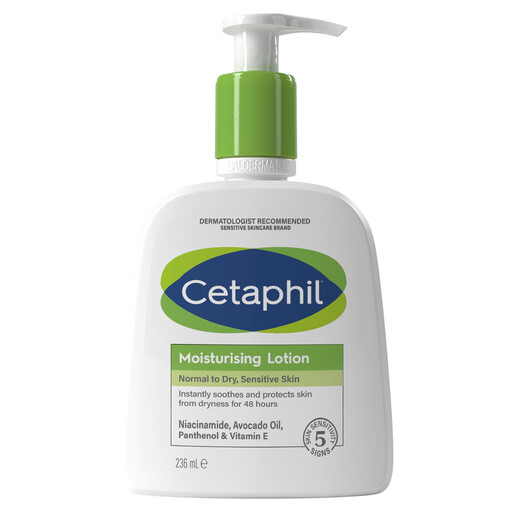
Why This Fits Their Persona: Ideal for someone seeking a reliable, no-fuss and affordable daily moisturiser. Its lightweight formula is suitable for both face and body, making it a practical staple for the whole family in the UK.
It sidesteps the "single-ingredient hype" by offering a balanced formula with niacinamide, panthenol and avocado oil. It is completely fragrance-free, avoiding the "natural" irritation pitfall.
A long-standing dermatologist recommended moisturiser brand. The formula is non-comedogenic and provides long-lasting, 48-hour hydration without a greasy feel.
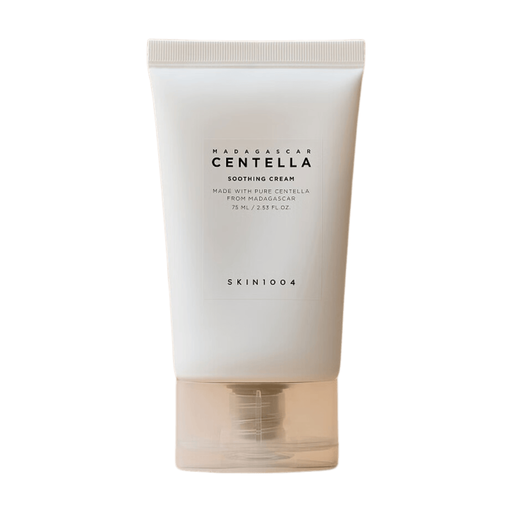
Why This Fits Their Persona: Perfect for someone actively dealing with redness, irritation and a compromised barrier. This user is knowledgeable about ingredients and seeks a targeted solution to calm and strengthen their skin.
This cream goes beyond a single ingredient, combining high-purity Centella Asiatica with four types of plant-derived ceramides, cholesterol and fatty acids for a comprehensive barrier-support system.
Specifically formulated to strengthen the skin barrier and reduce visible redness. Its soft, creamy texture provides deep moisture with a non-greasy finish, making it a great soothing cream for redness.
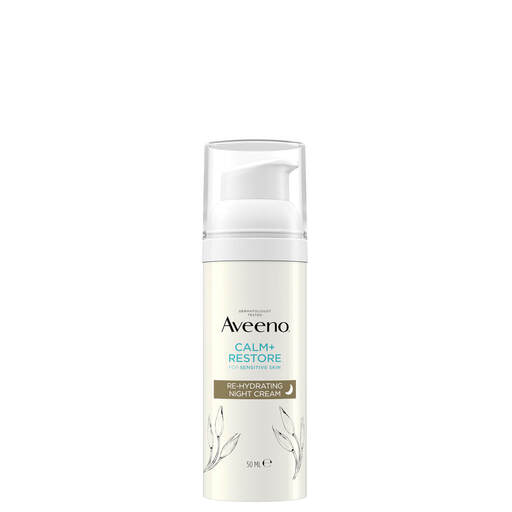
Why This Fits Their Persona: For the user who wants an intensive treatment to work while they sleep. They need a richer texture to combat overnight water loss and wake up with calm, replenished skin.
It avoids the "texture mismatch" pitfall by being specifically designed as a richer night cream. It uses Prebiotic Oat and Calming Feverfew, ingredients known for their soothing properties, rather than potentially irritating "natural" fragrances.
The rich, velvety texture provides intense nourishment and helps strengthen the moisture barrier overnight. It is fragrance-free, non-comedogenic and provides 48-hour moisturisation.
We have compiled a complete, real-time list of products that fully satisfy these strict selection criteria and UK safety regulations.
It is advisable to conduct a patch test for at least 24-48 hours. Apply a small amount of the new product to a discreet area of skin, such as behind your ear or on your inner wrist. Monitor the area for any signs of redness, itching or irritation before applying it to your entire face.
While some gentle moisturisers like the Cetaphil lotion are formulated for both face and body, it's not always ideal. Facial skin is typically more delicate and prone to clogged pores than the skin on your body. Body creams can sometimes be too thick or occlusive for the face. If you have particularly sensitive or acne-prone facial skin, it's often better to use a product specifically designed for the face.
This can happen for a few reasons. Firstly, you might be applying your moisturiser to completely dry skin. Try applying it to slightly damp skin after cleansing to lock in more moisture. Secondly, your hydrating moisturiser might lack occlusive ingredients (like shea butter or petrolatum) needed to prevent water from evaporating. You may need a richer cream, especially at night. Finally, external factors like low humidity, harsh cleansers or over-exfoliation could be undermining your moisturiser's efforts.