
24/7 Customer Support

Free returns

Same-day & Next-day Delivery

Quality Guaranteed

Unlock Your Welcome Offers: FREE Delivery | Up to 80% OFF | Free 30-day JoyPlus trial
Download the APP
Combining daily hydration with sun protection seems like a straightforward way to simplify your morning routine. However, the search for the perfect moisturiser with SPF is often filled with disappointing purchases. Many formulas promise a lightweight feel but deliver a greasy finish, while others offer inadequate protection, leaving your skin vulnerable. As your Joybuy Product Recommendation Officer, my role is to help you navigate the market and find a product that genuinely works for your skin and lifestyle.
Before you add another product to your basket, let's look at the common traps that lead to buyer's remorse. Being aware of these can save you both money and frustration.
The "Invisible Finish" That Isn't: A frequent complaint is the thick, chalky residue some SPF moisturisers leave behind, creating an unflattering white or purplish cast, particularly on deeper skin tones. This often stems from older mineral sunscreen formulations that haven't been micronised effectively. A product marketed as a lightweight spf moisturiser should absorb cleanly without altering your skin tone.
The "One-Size-Fits-All" Greasy Formula: Many products fail to cater to different skin types. A formula that feels nourishing on dry skin can feel heavy and pore-clogging on oily or combination skin, leading to unwanted shine and breakouts. A good day cream with spf should match your skin's specific needs, providing hydration without greasiness.
Misunderstanding SPF Levels and Reapplication: It's easy to assume that applying a moisturiser with SPF in the morning provides all-day protection. However, the Sun Protection Factor (SPF) degrades over time, especially with sun exposure, sweating or rubbing. For continuous protection during prolonged time outdoors, reapplication is necessary, a fact that marketing often overlooks.
To ensure your chosen product delivers on its promises, focus on these key parameters. They are the non-negotiables for effective daily protection and a pleasant user experience.
The SPF number indicates the level of protection against UVB rays, the primary cause of sunburn. For daily incidental exposure, such as a commute or sitting near a window, an SPF 15 or SPF 30 moisturiser is generally considered sufficient. For days with more direct sun exposure or for those with fairer or more sun-sensitive skin, an SPF 50 face cream offers a higher level of defence.
Equally important is Broad-Spectrum protection. This means the product shields you from both UVB and UVA rays. UVA rays penetrate deeper into the skin and are the main contributor to premature ageing, such as fine lines and wrinkles. Always check the packaging for "Broad-Spectrum" or a UVA star rating (in the UK) to ensure you're getting comprehensive protection.
The base formula of your daily moisturiser with spf is what determines its feel and suitability for your skin.
lightweight spf moisturiser with a matte finish. Ingredients like salicylic acid (BHA) or niacinamide can help control excess oil and reduce the appearance of blemishes.hydrating sunscreen for face is key. Seek out ingredients like hyaluronic acid, glycerin and peptides. An anti ageing day cream with spf will often contain these, alongside antioxidants like Vitamin E, to help plump the skin and reduce the appearance of fine lines.tinted moisturiser spf is an excellent multi-tasking option. These provide hydration, sun protection and sheer coverage in one step.Based on these practical criteria, here are a few options from our catalogue matched to specific needs and user profiles.
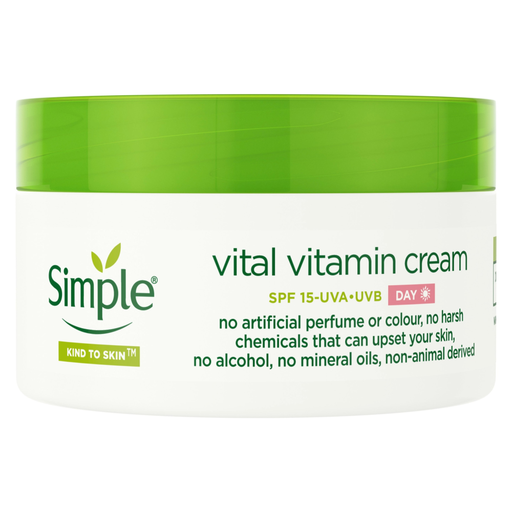
Why This Fits Their Persona: Ideal for those needing a gentle, no-fuss daily moisturiser for incidental sun exposure during commutes. Its hypoallergenic formula is designed specifically to avoid irritation on sensitive skin types.
This cream directly counters the "greasy formula" pitfall with its lightweight, non-greasy texture that absorbs quickly without clogging pores, making it comfortable for everyday wear.
Formulated without artificial perfumes, colours or harsh chemicals. Contains pro-vitamin B5 and vitamin E to replenish skin's moisture barrier.
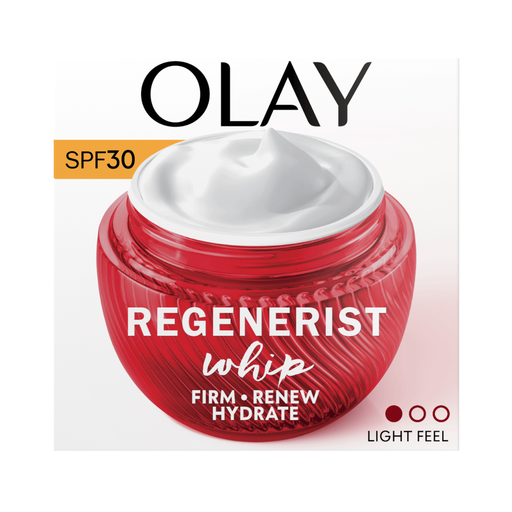
Why This Fits Their Persona: Perfect for those wanting to address fine lines and loss of firmness while getting reliable sun protection. It combines active skincare ingredients with a solid SPF 30 in a sophisticated formula.
The "Active Rush Technology" transforms the cream to a liquid on the skin, ensuring it feels exceptionally light and avoids the heavy, greasy feel common in anti-ageing creams with SPF.
Formulated with an Amino-Peptide Complex II to improve skin elasticity. Provides a matte, shine-free finish that works well under makeup.
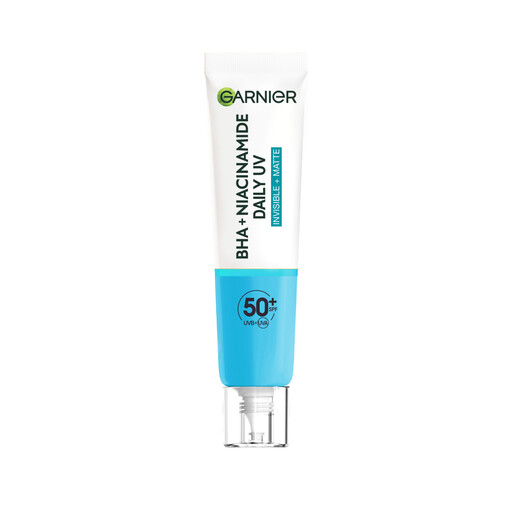
Why This Fits Their Persona: This fluid is specifically designed for those who struggle with imperfections and oiliness. It provides very high SPF 50+ protection without the fear of causing breakouts or excess shine.
It tackles the "greasy finish" trap head-on with an ultra-lightweight, non-comedogenic formula that delivers an invisible, matte finish and an all-day dry-touch feel.
Contains BHA (Salicylic Acid) and Niacinamide to actively help reduce imperfections and mattify the skin. It is fragrance-free and dermatologically tested.
We have compiled a complete, real-time list of products that fully satisfy these strict selection criteria and UK safety regulations.
For typical daily activities in the UK with limited sun exposure, a good quality moisturiser with SPF 30 or higher, applied generously, can be sufficient. However, if you plan to be outdoors for an extended period, sweating or swimming, it is advisable to reapply or use a dedicated water-resistant sunscreen for more robust protection.
SPF 30 blocks approximately 97% of UVB rays, while SPF 50 blocks about 98%. While the percentage increase seems small, that 1% can make a difference for those with very fair or sun-sensitive skin or during periods of high UV index. For most people's daily use, SPF 30 is a very reliable choice.
To achieve the level of protection stated on the bottle, you need to apply it generously. A commonly cited guideline for the face and neck is about half a teaspoon. Applying too thin a layer will significantly reduce the SPF protection you receive, which is a common reason people still experience sun damage despite using an SPF product.