
24/7 Customer Support

Free returns

Same-day & Next-day Delivery

Quality Guaranteed

Unlock Your Welcome Offers: FREE Delivery | Up to 80% OFF | Free 30-day JoyPlus trial
Download the APP
Choosing a moisturiser should be straightforward, yet crowded shelves and persuasive packaging can make a simple purchase surprisingly difficult. UK shoppers often need to balance dry skin, sensitivity, fragrance preferences, face-versus-body use and value for money.
Before choosing a daily moisturiser, watch for three common buying traps.
A scented lotion may feel pleasant, but fragrance does not determine how well a formula moisturises. If your skin is easily irritated, check the ingredient list for parfum and listed fragrance allergens such as limonene, linalool or benzyl alcohol. A fragrance-free moisturiser can be a more suitable option when reducing potential irritants is a priority.
Body lotion is usually designed for larger areas and may feel too rich, fragranced or occlusive for some facial skin. Conversely, a lightweight face moisturiser may not provide enough comfort for very dry elbows, knees or hands. Always check the intended application and look for terms such as non-comedogenic, particularly when selecting a product for facial use.
Phrases such as “deep hydration” or “natural ingredients” do not explain how a product will feel or whether it suits your routine. Look beyond the front label. Ingredients including glycerin, petrolatum, dimethicone, shea butter, cocoa butter and colloidal oat can contribute to a moisturising formula, while the texture, fragrance and pack size affect everyday usability.
A gel moisturiser generally feels light and absorbs quickly, making it practical under make-up or during warmer weather. Creams and richer body lotions may feel more comfortable on dry or very dry skin, especially after bathing.
For daytime use, a fast-absorbing formula can reduce the wait before dressing. For overnight care, a richer formula may be preferable if your skin tends to feel tight. Applying lotion to clean, slightly damp skin after a shower can also make the routine more efficient.
For sensitive skin moisturiser shopping, prioritise the full ingredient list rather than relying only on “gentle” wording. Fragrance-free, dye-free and hypoallergenic descriptions may help narrow the choice, but they do not guarantee that every individual will tolerate a product.
If you have eczema-prone skin, recurring irritation or a known allergy, review the current packaging and consider seeking advice from a pharmacist or healthcare professional. Patch-testing a small area is sensible when introducing a new product. Stop using it if redness, rash or discomfort develops.
A 50ml face moisturiser may be convenient for a handbag or travel, while a 300ml or 400ml hydrating lotion is more practical for regular all-over body application. Smaller bottles can also be useful for testing whether a texture suits you before committing to a larger format.
Check the packaging for the latest ingredients, warnings, storage guidance and directions. Formulations can change, so the label supplied with the product should take priority over older online information.
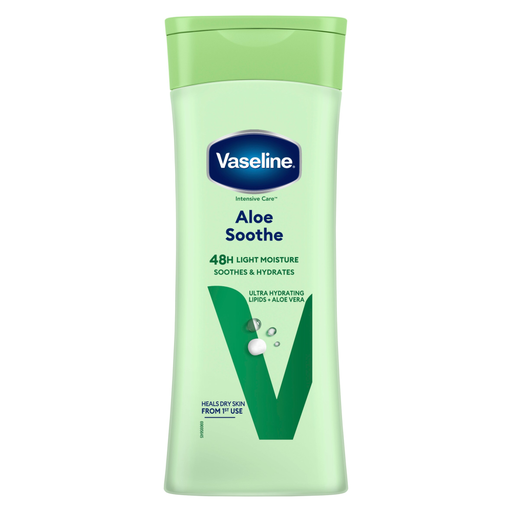
Why This Fits Their Persona: A 400ml format suits shoppers building a simple, everyday body-care routine for regular use after showering.
The listing identifies aloe extract, moisturising lipids and a fast-absorbing texture, so the choice is based on stated formula details rather than fragrance alone.
400ml size; contains petrolatum, glycerin and aloe extract; designed for daily body application.
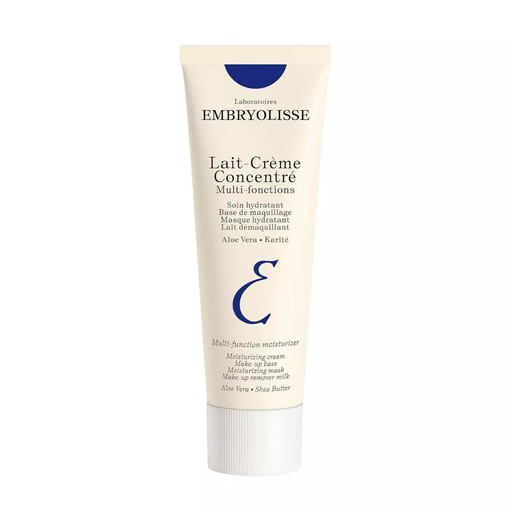
Why This Fits Their Persona: This compact face moisturiser is suited to shoppers who want one product for moisturising, make-up preparation and make-up removal.
Its multi-use directions are clearly stated, while the ingredient list allows fragrance-sensitive shoppers to note the inclusion of parfum before purchasing.
30ml travel-friendly size; includes shea butter, beeswax and aloe vera extract; non-comedogenic description.
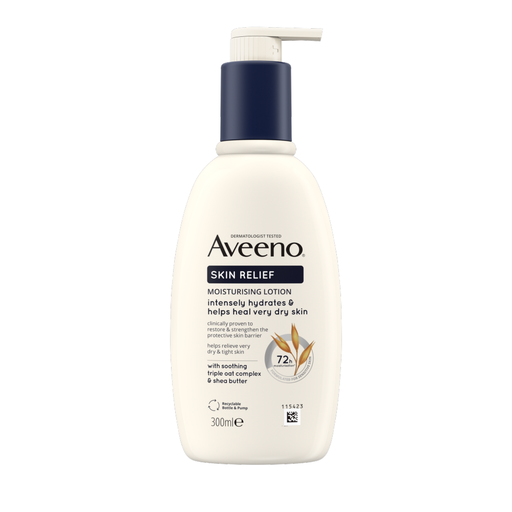
Why This Fits Their Persona: A practical choice for households managing very dry or sensitive body skin and applying lotion frequently to rough areas.
It is listed as fragrance-free and contains colloidal oatmeal, glycerin, petrolatum and dimethicone, giving shoppers clear information for comparing barrier-focused formulas.
300ml body lotion; fragrance-free formula; intended for very dry and sensitive skin.
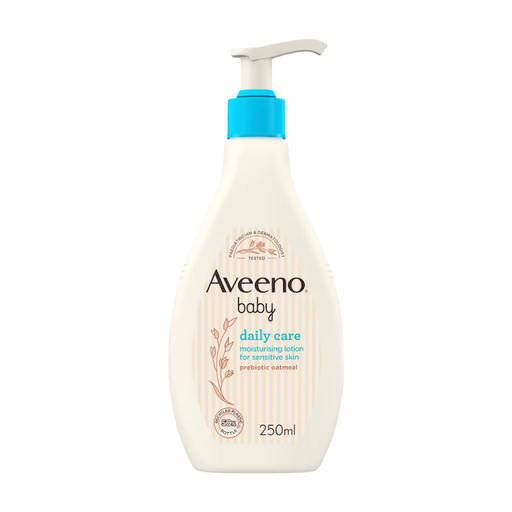
Why This Fits Their Persona: The product is labelled for babies from 0 months+, making it relevant for parents seeking an unscented option for regular baby skincare.
The listing specifies an unscented, dye-free formula and provides age guidance, so parents can check suitability instead of relying on vague “gentle” packaging.
250ml size; contains colloidal oatmeal and allantoin; designed for face and body use on baby skin.
We have compiled a complete, real-time list of products that fully satisfy these strict selection criteria and UK safety regulations.
Apply a body lotion daily, particularly after bathing or showering. If your skin feels tight or rough during the day, reapply to the affected areas. Hands, elbows, knees and lower legs may need more frequent application during cold or dry weather.
Not necessarily, but it can be a sensible starting point for sensitive or easily irritated skin. Fragrance-free products are also useful when you already use scented shower products, perfume or laundry products and want to reduce the number of fragranced items in your routine.
A baby moisturiser may suit adults who prefer a simple, unscented formula, but suitability depends on the individual product and your skin needs. Check whether it provides the texture and level of moisturisation required for dry or very dry adult skin, and always follow the label directions.