
24/7 全天候客户支持

免费退货

当日/次日达

品质保障

开启新人专享福利: 全场免邮 | 低至 2 折 | 免费试用 30 天 JoyPlus 会员
下载 Joybuy
By Joybuy Product Recommendation Officer
Choosing between a body lotion, face moisturiser and hand cream can be surprisingly difficult. Product labels often use phrases such as “deep hydration”, “barrier support” and “long-lasting moisture”, but these descriptions do not always tell you whether a formula suits your skin, routine or budget.
For UK shoppers dealing with cold weather, indoor heating and frequent hand washing, the right moisturiser should be practical as well as pleasant to use. Here is how to compare formulas without being distracted by marketing language.
A scented lotion may feel luxurious, but fragrance does not determine how effectively a formula moisturises. If your skin is sensitive, easily irritated or eczema-prone, check the ingredient list for “Parfum” and named fragrance allergens such as limonene, linalool, coumarin or benzyl alcohol.
A fragrance-free moisturiser is often a more sensible starting point for reactive skin. However, “natural” does not automatically mean non-irritating, so always review the full packaging and follow the manufacturer’s directions.
Claims such as 24-, 48- or 72-hour hydration describe a product’s stated performance under particular conditions. They do not mean that every user can apply once and ignore dry skin for several days. Washing, sweating, weather and the amount applied can all affect how long skin feels comfortable.
Look for practical ingredients such as glycerin, petrolatum, dimethicone, shea butter, oat and plant oils. These can help attract, soften or reduce moisture loss, but the finished texture and your own skin response still matter.
A rich body lotion may feel too heavy on the face, while a lightweight face moisturiser may not be sufficient for cracked knuckles or very dry elbows. A hand cream is usually packaged for targeted, repeated use, whereas a 200ml or 400ml body lotion is more economical for larger areas.
Check the stated application area before purchasing. Also compare the net contents: a 30ml face cream may be suitable for travel, but a larger pump bottle can offer more practical value for daily body care.
For normal-to-dry skin, a daily moisturiser with glycerin and emollient ingredients may provide a comfortable balance. Very dry skin can benefit from a richer intensive moisturiser containing occlusive ingredients such as petrolatum, mineral oil or dimethicone.
Texture affects consistency. A fast-absorbing gel cream can work well beneath make-up, while a balm or thick cream may be preferable overnight or on rough patches. If a product feels sticky or leaves residue, you may apply it less often, reducing its practical value.
Those seeking an eczema-prone skin moisturiser or sensitive skin moisturiser should prioritise a short, clearly listed formula and avoid added fragrance where possible. Oat-based products can be appealing for dry or sensitive skin, but anyone with a known oat or botanical sensitivity should check the label carefully.
Products containing nut oils, beeswax, milk derivatives or soy ingredients may not suit every shopper. Ingredient lists and warnings can change, so verify the packaging before use, particularly if you have allergies or intolerances.
Apply a body lotion to clean, slightly damp skin after bathing or showering to help reduce the tight feeling associated with dryness. Use hand cream after washing and before bed, paying attention to the backs of the hands, knuckles and cuticles. Face moisturiser is generally applied after cleansing, with sunscreen used during the daytime where appropriate.
Compare price per 100ml or 100g, not simply the shelf price. A 400ml bottle may be more cost-effective for daily full-body use, while a 50ml face moisturiser may be easier to carry and less likely to remain open for too long.
The following options match different shopping priorities. Product descriptions and ingredient lists should be checked again on the pack before use.
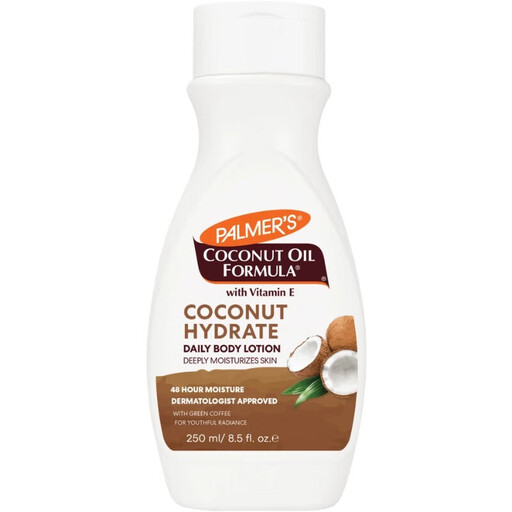
Why This Fits Their Persona: A straightforward daily body lotion for shoppers who want one product for regular use on arms, legs and other dry areas.
The listing clearly identifies it as a body lotion and states that it contains no parabens, phthalates or dyes. It does contain fragrance, so it is not the first choice for fragrance-sensitive shoppers.
Contains coconut oil, shea butter, glycerin and green coffee extract; the product information also describes it as vegan-friendly.
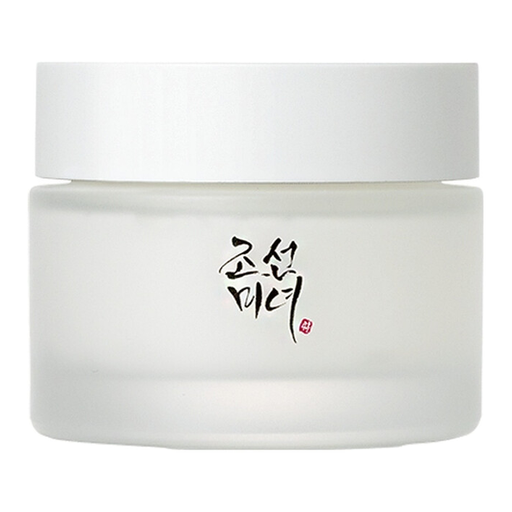
Why This Fits Their Persona: Designed for shoppers wanting a face moisturiser with a richer texture that can also work as an evening cream or make-up base.
Its intended use and dense, honey-like texture are clearly described, helping shoppers decide whether they prefer a dewy finish rather than assuming every face cream feels lightweight.
Includes rice bran water, ginseng root water, niacinamide, squalane and ceramide NP in a 50ml face formula.
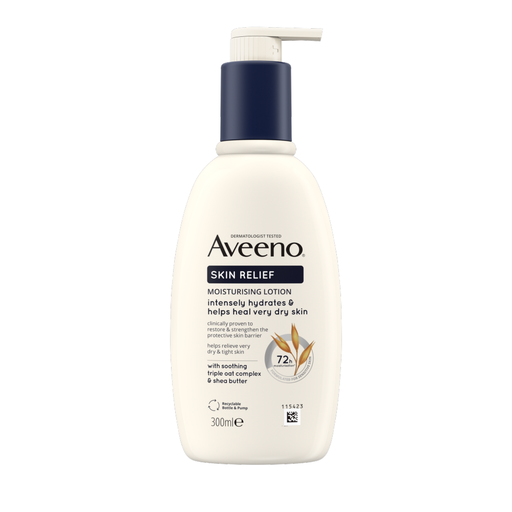
Why This Fits Their Persona: Suitable for shoppers looking for an oat moisturiser for very dry or sensitive body skin, particularly during colder UK months.
It is listed as fragrance-free and intended for very dry, sensitive skin, avoiding the assumption that a strongly scented cocoa butter lotion will suit everyone.
Contains colloidal oatmeal, glycerin, petrolatum and dimethicone; the listed formula is fragrance-free.
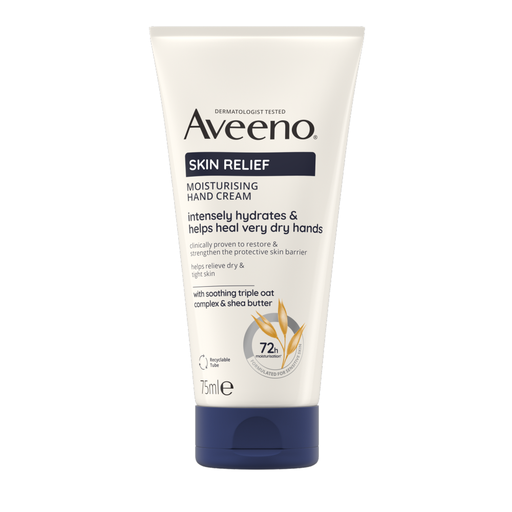
Why This Fits Their Persona: A targeted option for people washing hands frequently, working outdoors or experiencing recurring dryness around the fingers and knuckles.
Its 75ml format is designed for hand use rather than applying a small face cream over the whole body. The listed formula is unscented and non-greasy.
Includes a triple oat complex, shea butter, glycerin and dimethicone; the product information identifies it as vegan.
We have compiled a complete, real-time list of products that fully satisfy these strict selection criteria and UK safety regulations.
Look for a fragrance-free moisturiser containing humectants and barrier-supporting ingredients such as glycerin, petrolatum, dimethicone, shea butter or colloidal oatmeal. Introduce one product at a time and stop using it if irritation develops. Persistent or worsening symptoms should be discussed with a qualified healthcare professional.
Apply body lotion after bathing or showering and reapply when skin feels tight or dry. Hand cream can be used after washing and before bed. The right frequency depends on your skin, routine and the product’s directions rather than a fixed number of applications.
Check the packaging for the open-jar symbol and period-after-opening guidance. Store products away from direct sunlight and excessive heat, and do not use them if the smell, colour or texture changes. Always follow the latest label instructions, especially when buying products for sensitive or eczema-prone skin.