
24/7 Customer Support

Free returns

Same-day & Next-day Delivery

Quality Guaranteed

Unlock Your Welcome Offers: FREE Delivery | Up to 80% OFF | Free 30-day JoyPlus trial
Download the APP
Dry, sensitive skin can make a simple shopping decision surprisingly difficult. A cream may feel comfortable at first but prove too light for winter dryness, too rich for acne-prone skin or unsuitable because of fragrance and essential oils. For households managing eczema-prone, itchy or irritated skin, choosing by attractive packaging alone can lead to wasted money and more discomfort.
This guide explains what to check before buying moisturisers for dry and sensitive skin, then matches several options to practical UK shopping needs.
Honey, botanical oils and essential oils can sound reassuring, but natural ingredients may still trigger sensitivity. For example, a rich balm containing fragrance, limonene, linalool or floral oils may not suit skin that reacts easily. Always read the full ingredient list rather than relying on terms such as “natural”, “clean” or “calming”.
Gel creams can feel pleasant and absorb quickly, but very dry skin may need a richer blend of emollients and occlusive ingredients. Conversely, a heavy balm may feel uncomfortable under clothing or make an oily face look greasy. The right texture depends on the area being treated, the season and how compromised the skin feels.
A daily face moisturiser is not automatically a suitable eczema moisturiser, anti-itch cream or nappy rash cream. Products containing active pharmaceutical ingredients, paraffin, urea or zinc oxide have different purposes and usage instructions. Persistent, worsening or unexplained symptoms should be discussed with a pharmacist or GP.
A damaged skin barrier loses water more readily and may feel tight, rough or uncomfortable. Look for a combination of:
A skin barrier repair cream does not need an impressive-sounding ingredient list; a balanced formula with clearly listed components is more useful than vague promises.
If your skin is reactive, a fragrance-free moisturiser is often a sensible starting point. “Fragrance-free” is different from “unscented”, which may still contain masking fragrance. Also check for essential oils, denatured alcohol and exfoliating acids if your skin is currently sore or compromised.
Some users may tolerate botanical extracts well, while others may not. Patch-test a new product on a small area and follow the packaging instructions. Do not apply a cosmetic moisturiser to broken or infected skin unless a healthcare professional advises it.
A 50ml face cream may be convenient for travel but poor value for daily body use. A 500g pump dispenser is more practical for hands, arms and legs, particularly when several family members need regular application. Check whether the product is labelled for the face, body, babies or specific dry skin conditions.
For paraffin-based products, follow fire-safety instructions carefully. Clothing, bedding or dressings with dried emollient residue can become more flammable, so keep them away from naked flames and smoking materials.
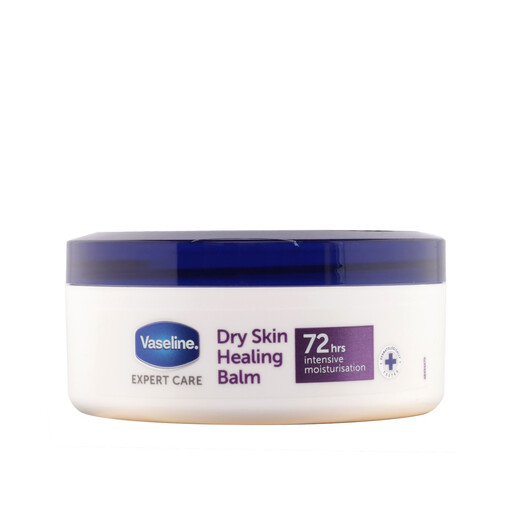
Why This Fits Their Persona: A 250ml body cream suits shoppers wanting a straightforward everyday option for dry arms, legs, hands and elbows without buying a specialist face formula.
The listed formula is fragrance-free, helping shoppers avoid added scent when choosing a daily body moisturiser for sensitive skin.
Glycerin, petrolatum, dimethicone and Pro-Lipids are included; the product is designed to absorb without a greasy finish.
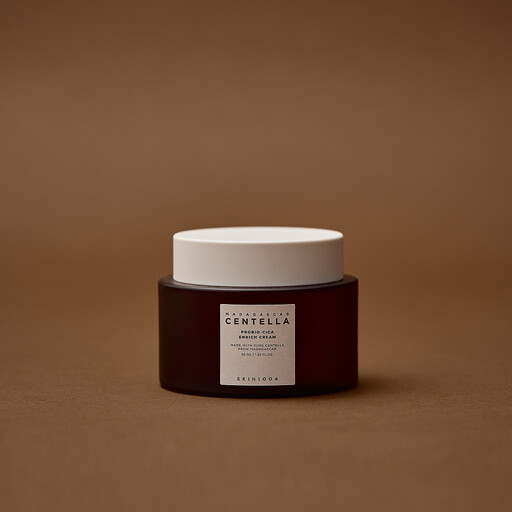
Why This Fits Their Persona: This Korean calming moisturiser is aimed at face-care shoppers who want a richer texture with centella, ceramide NP, squalane and nourishing oils.
Its ingredient list makes the moisturising and barrier-supporting components clear, rather than relying only on broad “repair” language.
Contains ceramide NP, sodium hyaluronate, squalane and centella-derived ingredients in a substantial facial cream format.
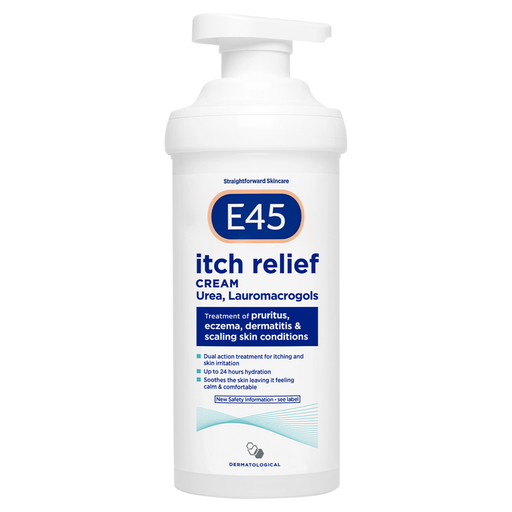
Why This Fits Their Persona: The large pump bottle is practical for regular household use where dry, itchy areas need repeated application across the body.
It is a targeted itch-relief product rather than a general scented body lotion, with usage and warning information supplied for dry skin conditions.
Contains 5% urea and 3% lauromacrogols; it is fragrance-free and supplied in a 500g pump dispenser.
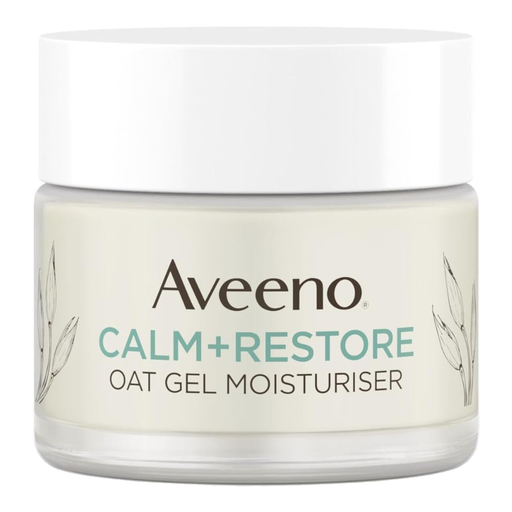
Why This Fits Their Persona: The gel-cream format suits normal-to-dry sensitive facial skin and people who prefer a fast-absorbing layer under daytime skincare or make-up.
The product information identifies it as fragrance-free and non-comedogenic, helping narrow the choice for sensitive or blemish-prone users.
Includes oat ingredients, glycerin and dimethicone in a lightweight gel moisturiser designed for normal-to-dry skin.
We have compiled a complete, real-time list of products that fully satisfy these strict selection criteria and UK safety regulations.
Apply a small amount to clean, slightly damp skin unless the label states otherwise. For facial products, use moisturiser after lighter serums and before daytime sun protection. Body emollients are often easier to spread immediately after bathing, when the skin has been gently patted dry.
Introduce one new product at a time and patch-test where appropriate. Stop using it if you develop persistent stinging, swelling, rash or worsening redness. Avoid applying cosmetic creams to open wounds, infected areas or severe inflammation without medical advice.
Look for a formula matched to the affected area, with moisturising ingredients such as glycerin, ceramides, panthenol, dimethicone or petrolatum. A fragrance-free moisturiser may be preferable if scent commonly causes discomfort. The most suitable option is the one your skin tolerates and that you can apply consistently.
Many emollient products are intended for regular use, but follow the specific label directions. Products containing active ingredients, such as urea or lauromacrogols, may have additional warnings. Ask a pharmacist or GP for advice if symptoms persist, spread or interfere with sleep.
A dedicated nappy rash cream, such as a zinc oxide barrier cream, is designed for the nappy area and should be used according to its label. Clean and dry the skin first, apply the recommended thin layer and seek medical advice if the rash worsens, becomes infected or does not improve.