
24/7 Customer Support

Free returns

Same-day & Next-day Delivery

Quality Guaranteed

Unlock Your Welcome Offers: FREE Delivery | Up to 80% OFF | Free 30-day JoyPlus trial
Download the APP
Finding the right moisturising conditioner for dry hair can feel like a constant battle against frizz, brittleness and lacklustre locks. The UK market is saturated with options, each promising miraculous transformations. However, many of us have been left disappointed by products that either fail to deliver or, worse, leave our hair feeling heavy and coated.
As a Joybuy Product Recommendation Officer, my role is to help you navigate this crowded landscape. We will look past the marketing hype and focus on what truly matters for reviving dry, thirsty hair. Before you spend another pound, let’s uncover the common purchasing pitfalls that lead to bathroom cupboards full of unused bottles.
To make an informed choice, you need to understand what your hair truly needs. Here are the core parameters to check before you buy.
Not all dry hair is the same. The ideal hydrating conditioner for you depends on your hair's structure.
The terms "moisturising" and "repairing" are often used interchangeably, but they address different issues.
Your hair care routine might benefit from more than one type of conditioner.
Based on these practical criteria, we have matched several conditioners to different user needs and priorities.
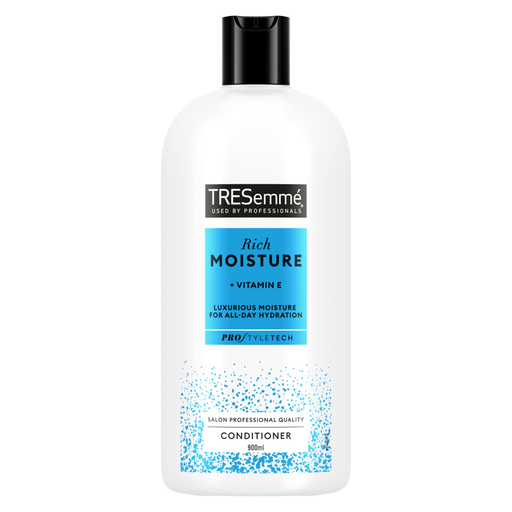
Why This Fits Their Persona: For families or individuals needing a reliable, affordable solution for daily moisture. The large 900ml bottle offers great value, and the formula is designed to deliver consistent softness and manageability without a high price tag.
It sidesteps the "Silicone Misunderstanding" by using ingredients like Dimethicone effectively to provide noticeable slip and softness, making hair easier to detangle and manage without false promises of being "all-natural".
Infused with Vitamin E for hydration and features PRO Style Technology with amino acids and ceramide to help strengthen hair over time. It is also PETA-approved cruelty-free.
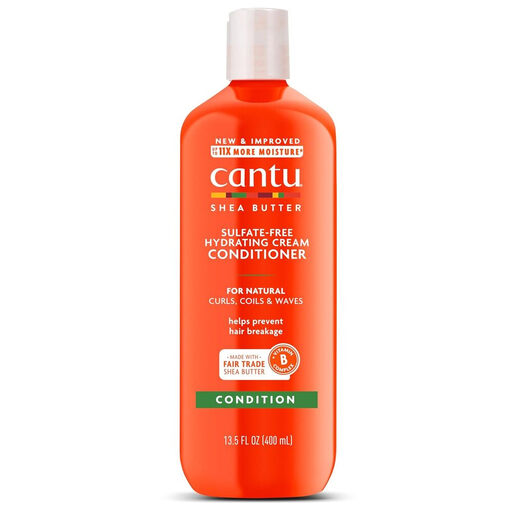
Why This Fits Their Persona: Ideal for those with natural, curly, coily or wavy hair who prioritise formulas free from harsh chemicals. This user actively seeks out products that moisturise without stripping the hair's natural oils.
It avoids the "Sulphate-Free Halo Effect" by not just removing sulphates, but by building its formula around pure shea butter, a rich emollient that provides genuine, deep moisture, making it highly effective for its target hair types.
The formula is free from mineral oil, sulphates, parabens and silicones. It is specifically designed to help hair retain its natural oils and protect against split ends.
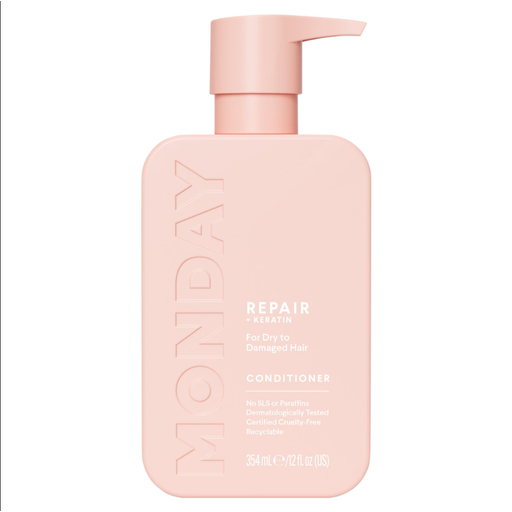
Why This Fits Their Persona: This user has hair that is not just dry, but also damaged from colouring, heat styling or environmental factors. They need a product that both hydrates and strengthens the hair fibre to prevent further breakage.
It avoids the "Natural Illusion" by being upfront about its blend of both natural oils (Coconut, Argan) and scientifically-backed repairing ingredients like Hydrolysed Keratin, providing a balanced formula for tangible results.
This pH-balanced formula is dermatologically tested, sulphate-free and cruelty-free. It focuses on strengthening hair and protecting it from damage and moisture loss.
We have compiled a complete, real-time list of products that fully satisfy these strict selection criteria and UK safety regulations.
For most people with dry or damaged hair, using a deep conditioner for dry hair or a hair mask once a week is sufficient. If your hair is extremely damaged or coarse, you might benefit from using it twice a week. Listen to your hair—if it starts to feel heavy or overly soft, scale back.
Yes, it is a common issue. If you have fine hair, look for conditioners labelled as "lightweight" or "volumising". Avoid products with a high concentration of heavy butters and oils. When applying conditioner, focus only on the mid-lengths and ends, keeping it away from your roots to prevent them from becoming greasy and flat.
For coloured hair, a sulphate-free conditioner is generally a good choice as it is less likely to strip the colour and natural oils. However, the overall quality of the conditioning formula is what matters most. Ensure it contains nourishing ingredients to replenish the moisture that the colouring process can remove. Always check the full ingredients list to ensure it aligns with your hair's needs for hydration and repair.