
24/7 Customer Support

Free returns

Same-day & Next-day Delivery

Quality Guaranteed

Unlock Your Welcome Offers: FREE Delivery | Up to 80% OFF | Free 30-day JoyPlus trial
Download the APP
Dry, tight or dull skin can make a moisturising cream seem like a simple purchase. Yet the wrong formula may sit heavily on the surface, sting after application or leave you reapplying throughout the day. UK shoppers also face a wide choice of face cream, body cream, hydrating cream and intensive moisturiser products, often with impressive-sounding claims that are difficult to compare.
This guide focuses on the practical details that matter: where the cream is designed to be used, which ingredients suit your routine and whether the texture, fragrance and pack size fit everyday life.
A nourishing body cream is not automatically suitable for the face. Body products can be richer, more heavily fragranced or formulated with ingredients that some facial skin may not tolerate comfortably. Conversely, a lightweight face cream may not provide enough comfort for rough elbows, knees or heels.
Always check the stated application area. A face cream should be labelled for facial use, while a body cream should be applied only as directed. Some multi-purpose products, such as cleansing and priming creams, are specifically designed for more than one facial use.
A fragranced body cream can make application more enjoyable, but scent does not measure hydration. Fragrance ingredients and essential oils may also be unsuitable for people who are prone to sensitivity. If your priority is a gentle routine, compare the ingredient list rather than choosing based on packaging or scent description.
For dry or sensitive skin, consider a fragrance-free or minimally scented option. If you enjoy perfume in your body care, keep a separate low-fragrance product available for areas that feel reactive.
A rich cream may feel comforting in winter but inconvenient under clothing. A fast-absorbing cream can be more practical after a morning shower, while a body butter may suit evening use on very dry areas. The container size also changes value: a 75ml travel-sized product may be useful for a handbag or holiday, but a 380ml tub is generally more practical for regular full-body application.
Start with the intended area and skin concern:
Look for ingredients that match your comfort needs:
The full ingredient list and warnings on the packaging should take priority over online summaries, as formulations can change.
A hydrating cream must be comfortable enough to use consistently. Gel creams suit shoppers who dislike a heavy finish, while intensive moisturiser and body butter textures may be more appropriate for very dry areas. If you prefer vegan skincare, verify the product’s current packaging and ethical information rather than assuming every botanical formula is vegan. Similarly, “cruelty-free” and recyclable packaging refer to separate considerations.
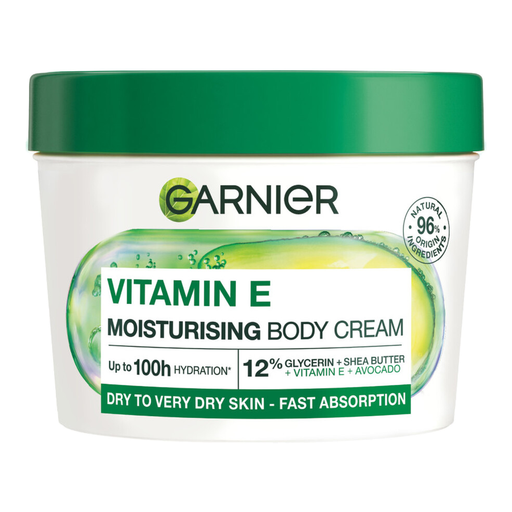
Why This Fits Their Persona: The 380ml format suits regular post-shower use on the body, making it a practical starting point for shoppers who want one generous tub rather than a small trial size.
It is clearly presented as a body cream, so it avoids the common mistake of using a body formula as an all-purpose face product. The ingredient list also identifies fragrance for shoppers to assess before buying.
Contains glycerin, shea butter, avocado oil and vitamin E. The listed formula is vegan and designed to absorb quickly.
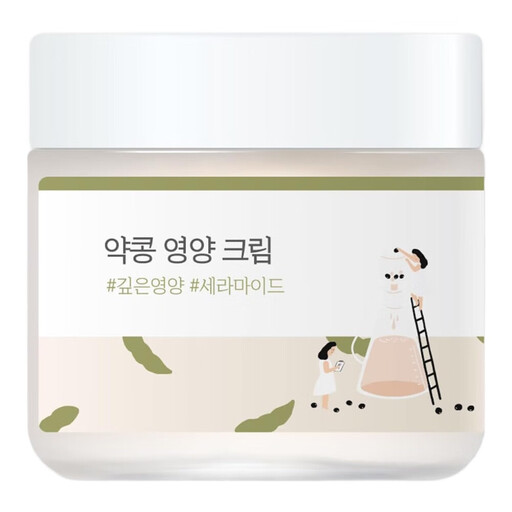
Why This Fits Their Persona: This face cream is suited to shoppers comparing a richer facial formula for dry to combination sensitive skin, particularly during colder UK weather.
It specifies facial use and is listed without artificial fragrance, ethanol, mineral oil or essential oils, helping shoppers avoid choosing a heavily scented formula for sensitive-feeling skin.
Includes black soybean extract, ceramide NP and panthenol. The 80ml size is suitable for a regular facial routine.
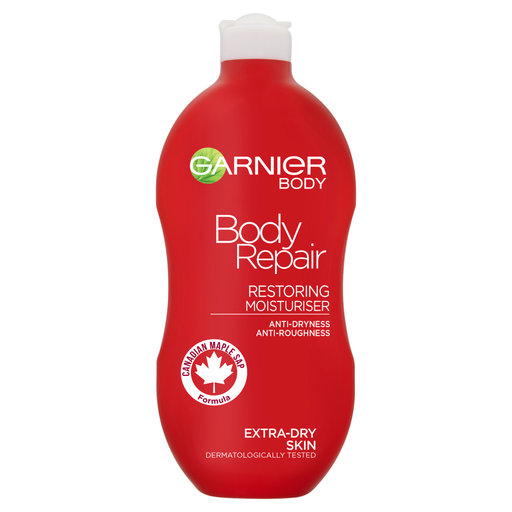
Why This Fits Their Persona: Designed for extra-dry body skin, it fits shoppers dealing with tightness after cold weather, frequent washing or friction from clothing.
The directions explicitly say not to apply it to the face, removing uncertainty about its intended area. Its non-greasy, fast-absorbing format is also practical for daily body use.
Contains glycerin, petrolatum, shea butter and allantoin. The 400ml format is useful for frequent full-body application.
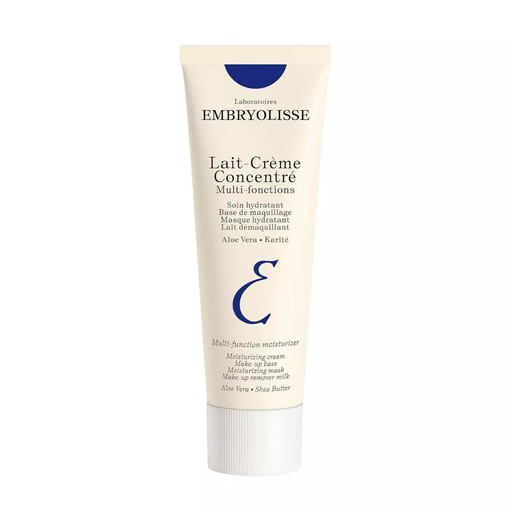
Why This Fits Their Persona: The compact 30ml tube suits travel, gym bags and shoppers who want a face moisturiser that can also support make-up preparation.
Its stated uses include moisturising, priming and make-up removal, rather than relying on a vague multi-purpose label. However, it contains fragrance, so check the ingredients if your skin is easily irritated.
Contains shea butter, beeswax, aloe vera and soy protein. The product is listed as non-comedogenic and paraben-free.
We have compiled a complete, real-time list of products that fully satisfy these strict selection criteria and UK safety regulations.
Apply most body creams after bathing or showering, while the skin is clean and slightly damp. This can make spreading easier and helps reduce the need for excessive product. Use a smaller amount on the face, applying it after lighter serum or essence products if those are part of your routine.
Introduce a new sensitive skin cream gradually. Patch-test according to the product guidance, avoid broken skin and stop using it if irritation, redness or a rash develops. Keep creams away from the eyes unless the packaging specifically states otherwise.
There is no single lifespan for every product. Follow the period-after-opening symbol, expiry information and storage guidance on the packaging. Keep the container closed, away from direct sunlight and excessive heat, and avoid introducing water or unclean fingers into an open tub.
Choose according to the labelled use. A face cream is generally designed around facial texture and routine compatibility, while a body cream may be richer, larger in size or fragranced. If you need one product for several tasks, select a formula whose directions clearly support those uses.
Fragrance-free products can be a simpler choice for shoppers who know that scented products cause discomfort, but no cosmetic formula suits everyone. Review the complete ingredient list, follow the warnings and patch-test before applying widely. A product described as gentle should still be assessed against your own skin history.