
24/7 Customer Support

Free returns

Same-day & Next-day Delivery

Quality Guaranteed

Unlock Your Welcome Offers: FREE Delivery | Up to 80% OFF | Free 30-day JoyPlus trial
Download the APP
Dealing with dry, tight or flaky skin is a common frustration for many of us in the UK, especially as the weather turns. The search for an effective moisturising cream for dry skin can feel overwhelming, with shelves lined with products all making bold promises. But how do you separate genuine relief from marketing hype?
As a Joybuy Product Recommendation Officer, my role is to help you navigate this crowded market. Many people find themselves disappointed after a purchase, often because they've fallen into a few common traps. Before you spend another pound, let's look at the pitfalls to avoid.
To make an informed choice, it helps to understand what your skin truly needs. Here are the key parameters to check before you buy.
A high-quality moisturiser for dry skin should contain a blend of these three types of ingredients to provide comprehensive care.
For those with persistently dry, itchy or sensitive skin, a compromised skin barrier is often the root cause. The barrier's job is to keep moisture in and irritants out. When it's weakened, skin becomes vulnerable. A good skin barrier repair cream will contain ingredients that help rebuild and fortify this structure. Key ingredients to look for include:
When you see "dermatologically tested moisturiser" on a label, it means the product has been tested for tolerance on human skin under the supervision of a dermatologist. This reduces the likelihood of it causing common reactions. While it's a reassuring quality mark, especially for a sensitive skin moisturiser, it doesn't guarantee the product will be suitable for everyone. It's still wise to check the full ingredient list, particularly for a body cream for dry itchy skin or a product intended for conditions like eczema.
Based on these practical criteria, we've matched a few standout products to different user needs.
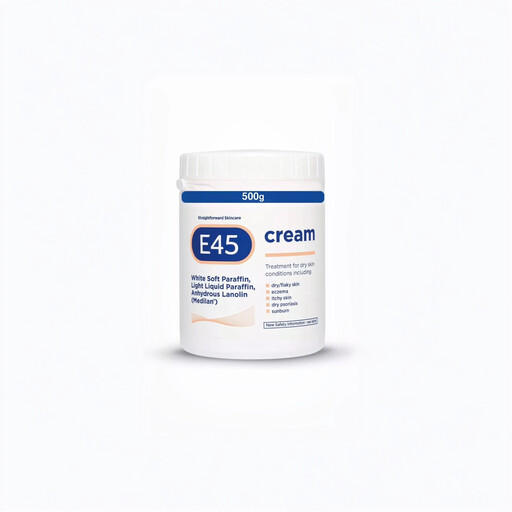
Why This Fits Their Persona: This is for the person seeking a reliable, large-format cream for the whole family. It's a trusted choice in the UK for managing dry skin conditions, including for those looking for a cream for eczema, and is suitable for use on babies over one month old.
It is completely fragrance-free and avoids trendy, potentially irritating "natural" botanicals. Its effectiveness comes from a simple, proven blend of occlusive and emollient ingredients.
Its non-greasy emollient formula is built around a triple active moisturising system (white soft paraffin, light liquid paraffin and lanolin) to soothe and hydrate very dry, flaky skin.
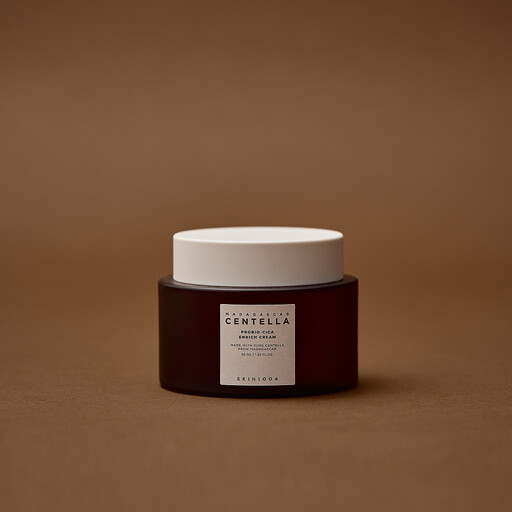
Why This Fits Their Persona: This user wants a sophisticated facial moisturiser that goes beyond basic hydration. They are interested in modern, effective ingredients for calming redness and strengthening a compromised skin barrier and appreciate a cosmetically elegant texture.
Instead of focusing on a single "miracle" ingredient, this cream uses a complex of fermented Centella Asiatica, probiotics and Ceramide NP to provide comprehensive skin barrier repair.
It offers targeted care for weak and sensitive skin barriers, repairing damage and preventing moisture loss with a rich texture that absorbs without feeling heavy or sticky.
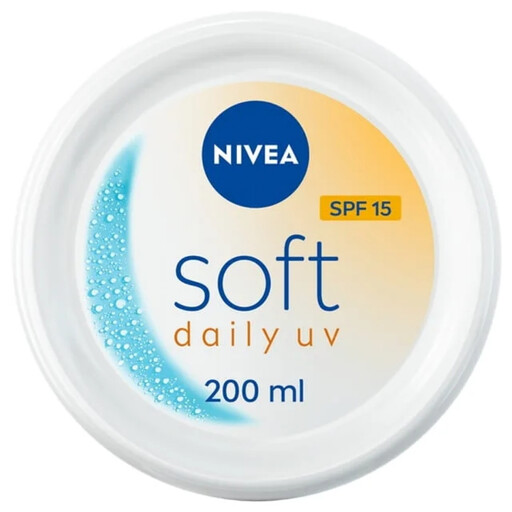
Why This Fits Their Persona: This is for the individual who values convenience and wants a single, affordable product for face, body and hands. The added SPF15 is ideal for providing baseline protection against incidental sun exposure during a typical UK day.
This cream focuses on delivering two core functions well: long-lasting hydration and basic sun protection. It doesn't make over-the-top anti-ageing claims, instead offering a practical, everyday solution.
It's a multi-purpose moisturiser that combines hydration from Jojoba Oil and Vitamin E with UVA/UVB protection. Its light, non-greasy texture absorbs quickly, making it suitable for all-over use.
We have compiled a complete, real-time list of products that fully satisfy these strict selection criteria and UK safety regulations.
For very dry skin, it is generally recommended to apply a moisturising cream at least twice a day—once in the morning and once at night. You should also reapply after bathing or washing your hands to lock in moisture while the skin is still slightly damp. If your skin feels tight or itchy during the day, feel free to apply it as needed.
While some creams are formulated for all-over use, facial skin is typically more delicate than the skin on your body. Creams designed for the body can sometimes be too thick or contain ingredients that might clog pores on the face (comedogenic). If you have sensitive or acne-prone facial skin, it's often better to use a dedicated, non-comedogenic fragrance-free face cream.
The main difference is the water content and viscosity. Creams have a higher oil content and are thicker, providing a more substantial barrier to prevent water loss. They are generally better for dry to very dry skin. Lotions have a higher water content, are lighter, and absorb more quickly. They are often preferred for normal or slightly dry skin, or for use in warmer, more humid weather.