
24/7 Customer Support

Free returns

Same-day & Next-day Delivery

Quality Guaranteed

Unlock Your Welcome Offers: FREE Delivery | Up to 80% OFF | Free 30-day JoyPlus trial
Download the APP
Navigating the world of skincare can feel overwhelming. With shelves lined with countless tubs and tubes, all promising hydration and a healthy glow, it's easy to end up with a product that doesn't quite meet your skin's needs. As a Joybuy Product Recommendation Officer, my role is to help you see past the marketing jargon and make informed choices. A good moisturising cream is a cornerstone of any skincare routine, but finding the right one involves more than just picking the most appealing packaging.
Many of us have been there: you buy a cream based on a popular trend, only to find it leaves your skin feeling greasy, irritated or no different than before. Let's look at a few common pitfalls to avoid.
face cream for dry skin can feel heavy and clog pores on an oily complexion, while a lightweight gel may not provide enough nourishment for someone with dry or mature skin.non-greasy body lotion or face cream is common, but the reality can be a sticky or tacky film that interferes with makeup or feels uncomfortable. Texture is subjective, but a well-formulated cream should absorb cleanly without leaving a heavy residue.To choose a moisturising cream that truly works for you, it helps to understand a few core principles. Focusing on these will ensure you get a product that delivers on its promises.
Your skin type and concerns should be the primary guide. Different formulations are designed to tackle specific issues.
eczema cream will often be fragrance-free and focus on creating a protective barrier.barrier repair cream. Key ingredients to look for are Ceramides, Cholesterol and Fatty Acids. A good sensitive skin moisturiser will also contain soothing agents like Panthenol (Pro-vitamin B5), Allantoin or Centella Asiatica.anti-ageing cream will typically feature ingredients that support skin structure and cell turnover. Look for Peptides, Adenosine and antioxidants like Tocopherol (Vitamin E) to help protect against environmental stressors.hydrating day cream that includes broad-spectrum SPF is an excellent way to streamline your morning routine. An SPF moisturiser protects your skin from UV damage, which is a leading cause of premature ageing and hyperpigmentation.The ingredient list (often labelled INCI) is your most reliable source of information. Ingredients are listed in descending order of concentration. The first five usually make up the majority of the product. If the beneficial ingredients you're looking for appear far down the list, they may be present in very small quantities. Conversely, if potential irritants like Alcohol Denat. are listed near the top, the product may be drying for some skin types.
Instead of a generic list, we've matched some standout options to specific user needs. This approach helps you find a product that aligns with your lifestyle and skin goals.
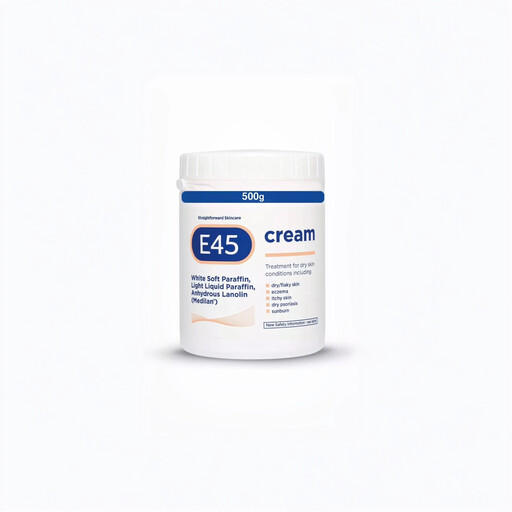
Why This Fits Their Persona: This is a go-to for UK households needing a reliable, no-frills emollient for dry skin conditions like eczema and dermatitis. Its large, economical tub is practical for daily use by the whole family (including infants over one month), providing dependable hydration without fuss.
It sidesteps the "one-size-fits-all" myth by being specifically formulated for dry and sensitive skin. It doesn't rely on hype ingredients, instead using a clinically recognised emollient system.
Its formula is fragrance-free and dermatologically tested, minimising the risk of irritation. The triple active moisturising system with lanolin, light liquid paraffin and white soft paraffin is effective at soothing and hydrating very dry skin.
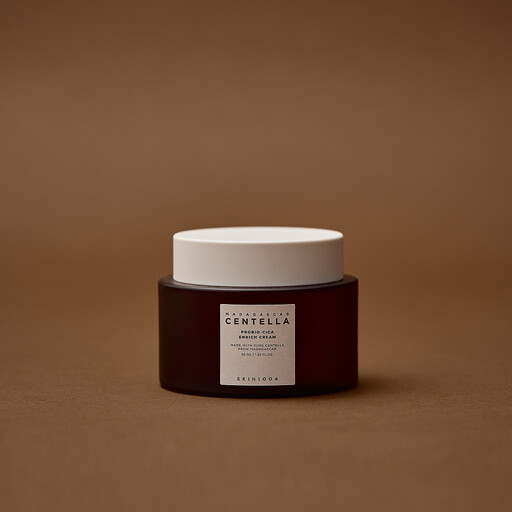
Why This Fits Their Persona: For those who follow skincare science and are looking for a targeted ceramide cream, this product is ideal. It combines popular K-beauty ingredients like Centella Asiatica with probiotics and ceramides to actively repair and strengthen a compromised skin barrier.
This cream avoids the "hype ingredient" pitfall by building a comprehensive formula around its key components. The vegan ProBio-Cica complex is designed for a specific purpose—barrier care—rather than making vague, all-encompassing claims.
It blends fermented Centella with Ceramide NP to fortify the skin's defences and lock in moisture. The texture is rich and nourishing without feeling heavy or sticky, making it suitable for calming sensitive and reactive skin.
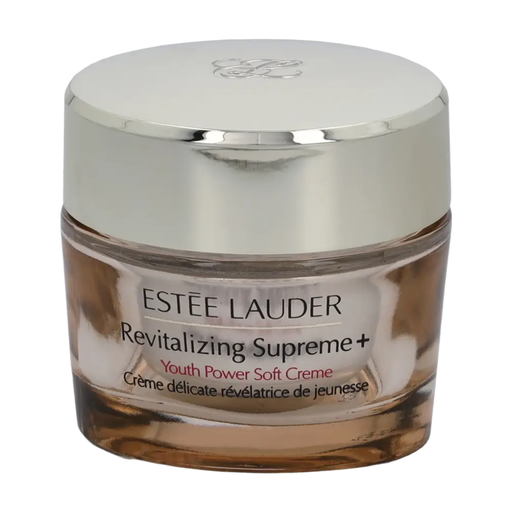
Why This Fits Their Persona: For those seeking a high-performance anti-ageing cream with a luxurious experience, this cream is a strong contender. It's designed for users who want to address multiple signs of ageing, including loss of firmness, lines and dullness, and are willing to invest in a premium product.
It avoids the "non-greasy lie" with a silky, lightweight texture that absorbs quickly without an oily feel. While it features exclusive extracts, the brand frames them within a "Pro-Collagen Technology" context, focusing on performance rather than just hype.
The multi-action formula combines Hibiscus and Moringa extracts with Hyaluronic Acid to provide hydration, firmness and radiance. It's a comprehensive cream that targets several concerns at once.
We have compiled a complete, real-time list of products that fully satisfy these strict selection criteria and UK safety regulations.
For most people, applying moisturiser twice daily—once in the morning and once at night after cleansing—is sufficient to keep skin hydrated. If you have very dry skin or a condition like eczema, you may find it beneficial to reapply to dry patches throughout the day. If you are using an SPF moisturiser, it should be applied in the morning as the last step of your skincare routine before makeup.
While some creams are formulated for both face and body, it's important to check the product's intended use. Facial skin is generally more delicate and prone to clogged pores. A rich body cream might feel too heavy on the face, especially for those with oily or combination skin. If you are prone to breakouts, it is often better to use a separate, non-comedogenic face cream.
Always check the packaging for two indicators. The first is the expiry date, which tells you how long the unopened product is good for. The second is the Period After Opening (PAO) symbol—an icon of an open jar with a number followed by "M" (e.g., "12M"). This indicates you should use the product within that many months of opening it to ensure its stability and effectiveness.