
24/7 Customer Support

Free returns

Same-day & Next-day Delivery

Quality Guaranteed

Unlock Your Welcome Offers: FREE Delivery | Up to 80% OFF | Free 30-day JoyPlus trial
Download the APP
Navigating the aisles for your daily moisturising hair and body care can feel overwhelming. Shelves are packed with products all promising softer skin and shinier hair, but not all deliver on their claims. Many of us in the UK have been caught out by clever marketing, spending money on items that don't suit our needs or, worse, make issues like dryness and sensitivity more pronounced.
As the Joybuy Product Recommendation Officer, my role is to help you see past the hype. Before you add another product to your basket, let's look at the common pitfalls that lead to disappointing purchases and how to choose effective, reliable daily care.
To make a smart choice, focus on the formulation rather than the front-of-bottle claims. Here are the key parameters to check for your daily hair care and body routine.
The primary job of a shower gel or shampoo is to cleanse, and this is done by surfactants. When checking the ingredients, note the first few listed after water (Aqua).
A truly effective sensitive skin moisturiser or body lotion will typically contain both types of ingredients to draw in water and then seal it.
Conditioners work in different ways, and choosing the right one is key to tackling your specific hair concern.
Based on these practical criteria, here are a few recommendations from trusted high-street brands, matched to different needs and lifestyles.
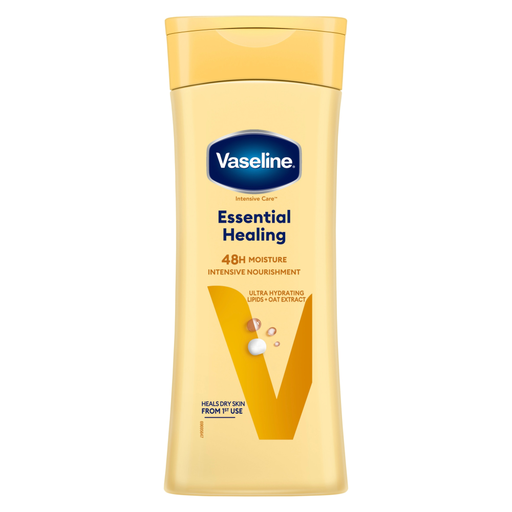
Why This Fits Their Persona: This is a classic for a reason. The large 400ml bottle offers great value for a family, and its dermatologically tested formula is designed for everyday use on dry skin. It's a no-fuss, reliable choice for keeping everyone's skin comfortable.
It sidesteps the "miracle ingredient" myth by relying on a proven combination of Glycerin (a humectant) and Petrolatum (an occlusive), which effectively draws in and locks down moisture.
Its non-greasy, fast-absorbing formula provides deep moisturisation without a sticky feeling, making it practical for quick application after a morning shower.
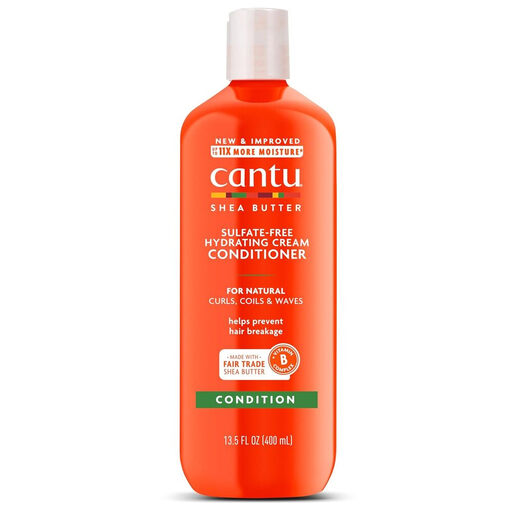
Why This Fits Their Persona: Ideal for those with curly, coily or wavy hair who actively seek out specific formulations. This user reads labels and wants products free from certain ingredients to protect their hair's natural pattern and moisture.
This is a prime example of a product that correctly utilises the "free-from" approach. It's a genuine sulphate-free conditioner, also omitting mineral oil and silicones, which is a targeted choice for textured hair that can be weighed down or dried out by those ingredients.
The formula is built around Shea Butter, a rich emollient that moisturises and helps protect against split ends, making it an excellent choice to nourish and define natural curls.
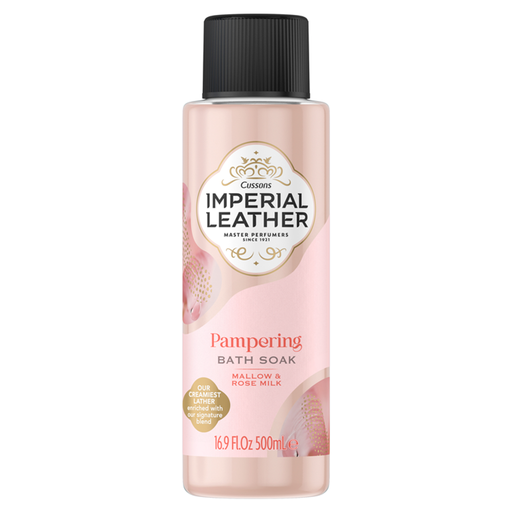
Why This Fits Their Persona: For someone who views bath time as a ritual to unwind, the sensory experience is paramount. This user wants rich bubbles, a beautiful fragrance and a feeling of pampering, making it the perfect bubble bath for dry skin.
It doesn't over-promise complex skin transformations. Instead, it focuses on delivering exactly what it advertises: a rich, indulgent lather with a long-lasting, professionally crafted fragrance that leaves skin feeling soft.
The formula is designed to create lasting bubbles that don't disappear halfway through your bath. It's also PETA-approved and suitable for vegans, adding an ethical plus.
We have compiled a complete, real-time list of products that fully satisfy these strict selection criteria and UK safety regulations.
For hair that is noticeably dry or damaged from heat or colour, using an intensive treatment or deep conditioner once a week is a good starting point. Apply it after shampooing, leave it on for the recommended time (often 3-5 minutes) and rinse thoroughly. For severely damaged hair, you might use it twice a week initially, then reduce to weekly as hair health improves.
Yes, it can be. Modern formulations use ingredients that absorb quickly while still providing a strong moisture barrier. Look for lotions containing a mix of humectants like glycerin and occlusives like petrolatum or dimethicone. These can lock in moisture effectively without leaving the heavy, greasy feeling of older, thicker creams, making them ideal for daily use.
Functionally, they are very similar, but there can be a difference in texture and formulation. Shower gels typically have a firmer, gel-like consistency, while body washes are often thinner and more liquid, similar to a liquid soap. Body washes also sometimes contain more moisturising ingredients, making them a good choice for those with drier skin, but the distinction has blurred over time. The most important factor for either is a gentle cleansing base that doesn't strip the skin.