
24/7 Customer Support

Free returns

Same-day & Next-day Delivery

Quality Guaranteed

Unlock Your Welcome Offers: FREE Delivery | Up to 80% OFF | Free 30-day JoyPlus trial
Download the APP
A baby carrier can make nursery drop-offs, supermarket trips and train journeys easier, but choosing one based on appearance or a broad “ergonomic” label can lead to an uncomfortable purchase. The right Momcozy baby carrier should match your child’s size, your carrying routine and the amount of adjustment you are prepared to make each time.
Before buying, look beyond promotional wording. These are three common pitfalls worth avoiding.
A carrier may be listed for babies and toddlers from approximately 3 to 24 months, but that does not mean every carrying position is suitable from the lower age limit. Young babies need appropriate head, neck and airway support, while outward-facing or back-carry positions may only be suitable when the child has reached the relevant developmental stage and the manufacturer permits it.
Check the minimum weight, age guidance and position-specific instructions rather than relying only on the headline weight range.
“Ergonomic baby carrier” is useful search language, but it does not describe the actual fit on its own. Look for a broad, supportive seat that allows the baby’s knees to sit higher than the bottom in an M-position, plus adjustable width and height. The carrier should hold the child close and upright without forcing the legs or leaving the face covered.
For the wearer, check whether the product includes genuine structural features such as an EVA waist panel, padded shoulder straps or an X-shaped back design. These details are more useful than vague promises about all-day comfort.
A breathable mesh panel can improve airflow, but straps, buckles and lumbar support also affect total weight. A carrier that feels light in the hand may still become uncomfortable if the waist belt does not fit securely or the load is not distributed across the hips and shoulders.
For warm indoor rooms, summer walks and holidays, a breathable mesh baby carrier may be practical. For cooler weather or frequent washing, cotton or polyester fabric may offer a more suitable balance.
The listed Momcozy models generally support approximately 3.2 to 20 kg (7 to 44 lb) and are intended for children from around 3 to 24 months. Always compare these figures with your child’s current weight and the product’s specific instructions.
A suitable carrier should allow:
A newborn and toddler carrier can offer a longer usable period, but adjustability matters more than the label. Three sizing positions, adjustable shoulder straps and a properly fitting waist belt can help the carrier adapt as your child grows.
If you plan to carry your child for commuting, errands or travel, look for a baby carrier with lumbar support and padded shoulder straps. X-shaped or cross-back straps can help spread pressure across the upper body, while a structured waist belt transfers some of the load towards the hips.
Measure your waist before ordering. Several listed models specify a fit up to approximately 120 cm, but the carrier should sit firmly without restricting breathing or digging into the abdomen.
A lightweight baby carrier is convenient for storage, but care instructions affect everyday value. Some cotton models are machine washable, while the 2-in-1 AIR carrier specifies hand washing and air drying. Follow the supplied instructions to help preserve fabric, seams and fastening components.
Before each use, inspect the fabric, stitching, buckles, hook-and-loop sections and adjustment points. Do not use a carrier showing damage, fraying or weakened fastenings.
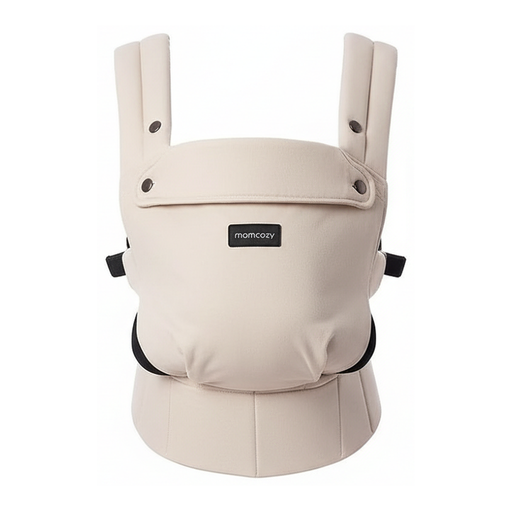
Why This Fits Their Persona: A practical starting option for short walks, daily errands and hands-free parenting, with three adjustable sizing positions for a growing child.
Its stated weight range, adjustable sizing and visible waist-support details make the fit easier to assess than a carrier described only by marketing terms.
Three sizing positions, EVA waist support, padded straps and a listed 3–20 kg carrying range.
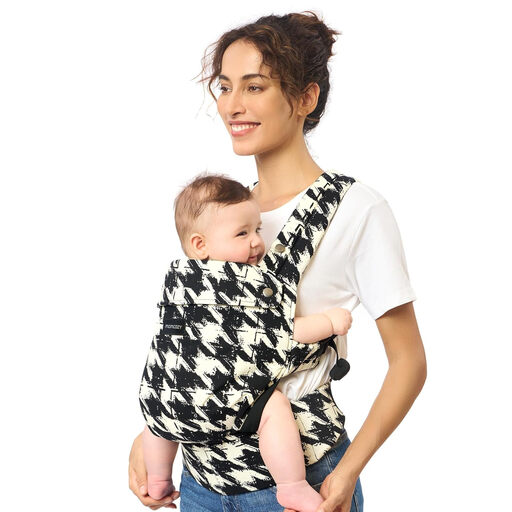
Why This Fits Their Persona: A cotton option for parents who value a washable fabric, structured support and a distinctive pattern for everyday UK use.
The product information identifies the fabric, cross-back structure, three sizing positions and front-carry orientation rather than leaving suitability unclear.
100% cotton construction, machine-washable care and an OEKO-TEX Standard 100 certification stated in the product information.
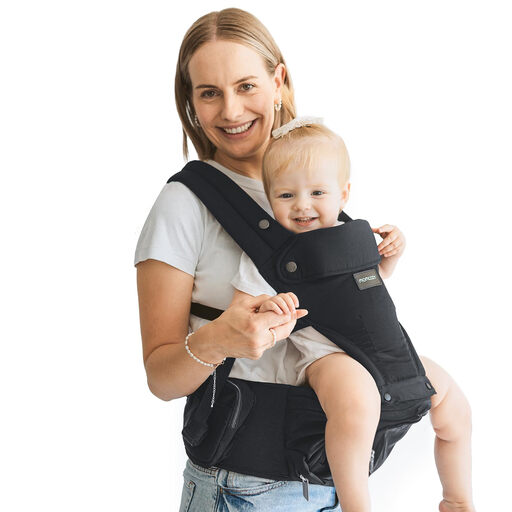
Why This Fits Their Persona: Suited to carers who regularly lift a heavier toddler or want the flexibility of a detachable hip seat for quick trips around town.
The hip seat is a defined structural feature rather than an implied comfort claim, and the product specifies its weight range and carrying positions.
Detachable padded hip seat, 3D contoured waist support and six listed carrying positions.
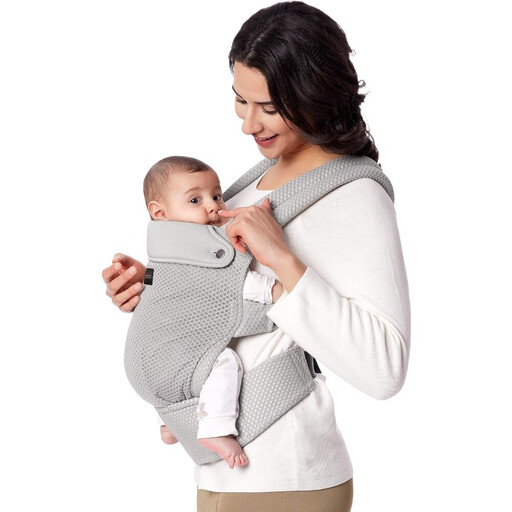
Why This Fits Their Persona: A practical match for warm-weather walks, crowded public transport and active daily routines where airflow is a priority.
It identifies Air Mesh, cooling neck fabric and padded straps specifically, so buyers can distinguish ventilation features from a generic lightweight claim.
Air Mesh panel, cooling neck-contact fabric, EVA waist support and three sizing positions.
We have compiled a complete, real-time list of products that fully satisfy these strict selection criteria and UK safety regulations.
Read the product instructions before the first use and practise with a second adult nearby if needed. Adjust the waist belt so it is secure, then alter the shoulder straps until the baby is held high and close enough to kiss without the chin pressing into the chest.
Check that:
Stop using it if either wearer or child shows discomfort. A carrier is not protective equipment in a collision or fall.
Some listed models specify use from approximately 3 months, but suitability depends on the baby’s weight, head and neck control and the individual position being used. Follow the product instructions and keep the face and airway visible. Do not use a model outside its stated minimum weight or developmental guidance.
The usable period depends on the child’s weight, the carrier’s condition and how frequently it is used. Many listed Momcozy carriers cover approximately 3.2 to 20 kg, but inspect seams, fabric, straps and buckles before every use. Replace the carrier if any structural component is damaged or no longer adjusts securely.
An Air Mesh carrier can be useful for warmer days, crowded transport and indoor environments where extra fabric may feel uncomfortable. It will not remove the need for correct positioning or supervision. For cooler weather, consider the baby’s clothing and avoid overheating by checking the neck and back regularly.