For keyboard-navigation testing at home, choose an adjustable monitor that gives you room to inspect the browser alongside your tools and notes. A 27-inch 4K screen suits a conventional multi-window layout, while a taller format may suit long pages, code and issue logs; check desk fit and device connections before choosing either. Monitor specifications cannot establish whether a website meets the keyboard, focus or reflow requirements described by the W3C Web Accessibility Initiative.
Who this setup is for
Testers inspecting keyboard focus
If you tab through interfaces while keeping a browser, developer tools and notes in view, usable screen space matters. The W3C Web Accessibility Initiative distinguishes keyboard operation, visible focus and focus that is not obscured as aspects to check in the interface itself.
Testers switching between computers
If a work laptop and a second test device share your desk, check how each connects to the display and whether a monitor hub or KVM can switch the peripherals you use. A USB-C socket alone does not establish video, charging or switching compatibility.
Testers reviewing long pages and logs
Pivot, height adjustment or a taller screen format may help you arrange long content and your tools. For employed home workers who meet the relevant display screen equipment conditions, the UK Health and Safety Executive also advises assessing the workstation setup.
What matters when choosing
27-inch 4K monitor
Choose when: you want a conventional layout for the browser, inspection tools and notes on one screen.
Allow for: text and controls that may appear small at native scaling; check the view at the scaling and browser zoom you use for testing.
3:2 programming monitor
Choose when: vertical space for code, long pages or issue lists matters more than a conventional 16:9 layout.
Allow for: the taller panel's desk-depth and height requirements; coding modes do not demonstrate better accessibility-test results.
Tall clamp-mounted display
Choose when: a vertically stacked view and flexible screen positioning fit your workflow and desk.
Allow for: a compatible desk edge and enough clearance. LG marks the cited 28MQ780-B DualUp model discontinued, so its format is a reference rather than a current model recommendation.
| Concern |
What to check |
Who this matters to |
| Screen workspace |
Compare usable space at your normal display scaling, then check the browser view at the zoom levels in your test plan. |
I need to see the focused element without continually hiding my inspection tools or notes. Around 43% of consumers would put this workspace need first. |
| Device connections |
Check laptop video and charging compatibility, cable requirements and how a KVM shares peripherals between connected devices. |
When I move between a laptop and a test machine, I want to know whether my keyboard and mouse can follow. Roughly 29% of consumers would prioritise device switching and connections. |
| Screen placement |
Measure desk depth and clearance; check stand adjustments or the desk edge required for a clamp. |
Long test sessions make it important for me to position the screen within my available desk space. About 28% of consumers would make physical setup their primary concern. |
Buying pitfalls
-
Treating screen specifications as proof of accessibility
A sharper or larger display can help you inspect an interface, but it cannot show that every function is keyboard operable or that focus remains visible. Those checks concern the interface and browser behaviour, as the W3C Web Accessibility Initiative explains.
Test keyboard operation and focus directly in the browsers and devices your work requires, including the planned zoom and reflow checks.
-
Assuming USB-C handles video, charging and peripherals
Those functions depend on the laptop, cable and monitor connections; the presence of a USB-C socket does not establish that they all work together.
Check the laptop's video output and charging requirement against the monitor's stated connection and power-delivery specifications.
Depending on that compatibility, you may still need a separate dock, suitable cable or charger.
-
Choosing a tall or clamp-mounted screen without measuring
A tall format needs enough height and depth, while a clamp stand needs an edge it can grip. LG's 28MQ780-B illustrates the clamp-mounted DualUp format, though LG marks that model discontinued.
Measure the available space and desk edge before choosing this type of setup.
If the desk cannot accept the supplied clamp, using the screen may require a different mount or desk arrangement.
-
Replacing workstation setup with an eye-care mode
A manufacturer's visual-comfort or coding-mode description does not establish that your screen position and working arrangement suit long sessions.
Check stand or mount placement first. Where display screen equipment rules apply to employed home working, follow the relevant employer assessment and UK Health and Safety Executive guidance.
Brands and ranges to consider
Dell
The UltraSharp U2725QE is a reference for a conventional 27-inch 4K workspace with laptop-oriented hub connectivity.
- Dell specifies height, pivot, swivel and tilt adjustment, Thunderbolt hub functionality and power delivery of up to 90W for this model.
- Check the intended laptop's display and charging compatibility; these specifications do not establish accessibility-test outcomes.
BenQ
The RD280UG illustrates a taller programming-monitor layout for long code and page views.
- BenQ specifies a 28.2-inch 3:2 4K+ panel and KVM for the RD280UG.
- Check desk clearance and device connections. BenQ's coding and visual-comfort modes are not evidence of improved accessibility-test results.
Samsung
The ViewFinity S60UD offers a conventional QHD layout to consider when device switching is a priority.
- Samsung's UK business specifications list QHD resolution and a built-in KVM for the 27-inch S60UD.
- Confirm the exact retail model suffix, stand adjustments and connections required by both devices.
LG
The DualUp 28MQ780-B illustrates a tall, clamp-mounted alternative to a conventional widescreen layout.
- LG specifies a 16:18, 2560 × 2880 display and an adjustable C-clamp stand for this model.
- LG marks the 28MQ780-B discontinued on its UK page. Check availability and the specifications of any different model you consider.
Joybuy monitors for this setup
These monitors offer conventional 4K screens to consider for a home-office testing workspace. Compare their named connections and stand features with your laptop, other devices and desk before choosing.
 No image available
MSI MD272UPSW 27-inch 4K smart monitor
Consider its 27-inch 4K screen if you want a conventional workspace for the browser and testing tools. The product name lists USB-C 65W and Multi-Control; check laptop video and charging compatibility and the connections needed for your two-device setup.
View on Joybuy
 No image available
BenQ MA320UP 32-inch 4K USB-C monitor
Its named 32-inch 4K screen and height-adjustable stand are worth considering if you have room for a larger conventional display. Check available desk space and whether USB-C video and charging work with your laptop.
View on Joybuy
 No image available
BenQ MA270UP 27-inch 4K USB-C monitor
The named 27-inch 4K screen and height-adjustable stand suit a conventional single-monitor layout. If you intend to connect a laptop through USB-C, confirm its video and charging compatibility before buying.
View on Joybuy
 No image available
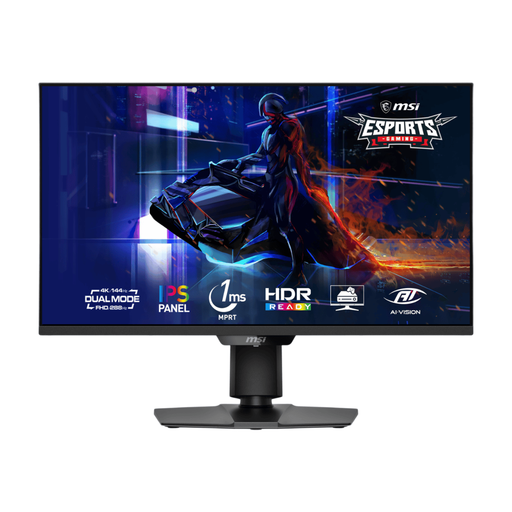
MSI MAG 275UPD E14 27-inch dual-mode 4K monitor
The 27-inch 4K mode is relevant if your priority is screen space for testing tools; its named dual modes are UHD 144Hz and FHD 288Hz, not measures of accessibility-test quality. Check whether your laptop connection or two-device workflow requires additional monitor functions.
View on Joybuy
 No image available
LG 27UP650K 27-inch 4K IPS monitor
Consider this 27-inch 4K model for a conventional testing workspace using its named HDMI or DisplayPort connections. Confirm the exact HDMI port count before planning multiple connections, as the product descriptions conflict on that detail; also check whether your setup needs USB-C charging or peripheral switching.
View on Joybuy
Common questions
Does a 4K monitor prove a website works with a keyboard?
No. The W3C Web Accessibility Initiative's keyboard guidance concerns how the website operates, not its monitor resolution. Use the screen to inspect the interface, then test keyboard operation and visible focus directly.
Should I test only at normal browser zoom?
No. Include zoom and reflow checks in your browser-based test plan. The W3C Web Accessibility Initiative's reflow guidance addresses how enlarged content is presented; buying a larger monitor does not replace that check.
Is a monitor with KVM useful when testing on two computers?
It can be useful when the same keyboard and mouse need to move between two connected devices. Check the exact monitor's KVM connections and both computers' video and USB compatibility; BenQ lists KVM for the RD280UG, while Samsung lists it for the S60UD.
Do UK home-working screen-equipment rules apply to everyone buying a monitor?
No; buying a monitor alone does not establish that the workplace rules apply. The UK Health and Safety Executive says display screen equipment regulations can apply to permanent or long-term home workers; employers should determine whether the individual is a DSE user and carry out an assessment where the regulations apply.


