Organic-first tea drinkers
If organic status is your main requirement, check the claim and ingredients for the exact tea you plan to buy. Natural or ethical wording alone does not establish organic certification.


If organic status matters most, choose a green tea with a product-specific organic claim and check the current pack: the Department for Environment, Food & Rural Affairs says food labelled organic must meet organic production rules and be certified by an approved control body. Pure organic green tea suits a straightforward tea-bag brew; a matcha blend offers a different ingredient profile, while conventional pure green tea remains an option if organic status is not essential. Tea leaves naturally contain caffeine, so check variant information if that affects your choice.
If organic status is your main requirement, check the claim and ingredients for the exact tea you plan to buy. Natural or ethical wording alone does not establish organic certification.
Tea bags with clear infusion directions make it easier to choose a preparation method that fits the time you have. Check the ingredients too: plain green tea and a matcha blend are different choices.
The European Food Safety Authority notes that caffeine occurs naturally in tea leaves. Check information for the particular tea rather than assuming a green-tea product is caffeine-free.
Choose the tea format and flavour you want, then check organic status, preparation directions and pack size for that particular product.
Choose it when: You want a plain green-tea ingredient profile and an explicit organic claim on the product.
Trade-off: It does not offer the matcha or botanical ingredients you may want in a blend.
Choose it when: You want matcha alongside green tea and the exact blend meets your organic requirement.
Trade-off: Its ingredients differ from plain green tea; check the current pack, including any caffeine information.
Choose it when: You want a straightforward green-tea brew but do not require an organic product.
Trade-off: A brand's separate organic range does not establish organic status for the conventional tea in your basket.
| Priority | What to check | Your needs |
|---|---|---|
| Organic status | Check the exact product's organic wording, ingredients and current packaging. The Department for Environment, Food & Rural Affairs says organic food labelling requires compliance with production rules and certification by an approved control body. | Organic status matters to me, so I need a claim for this tea rather than relying on the brand's wider range. |
| Preparation and flavour | Compare tea bags with powdered matcha or blended tea. Follow the product's water and infusion directions; Clipper lists 1–3 minutes for its Organic Fairtrade Pure Green Tea, while Twinings lists three minutes for its Pure Green Tea. | For a short break, I want a preparation method I can follow and an ingredient profile that matches the flavour I prefer. |
| Caffeine information | Check the current pack for the particular variant. The European Food Safety Authority says caffeine occurs naturally in tea leaves; do not treat a generic or contradictory retailer description as a caffeine-free guarantee. | I take caffeine from other drinks into account, so I want to know what the label says about this tea. |
| Pack quantity | Compare the number of bags or net weight with how often you expect to make the tea. Check the best-before date and storage instructions on the pack. | If I drink green tea regularly, a larger pack may fit my routine; if I am trying a new flavour, I may prefer fewer servings. |
A conventional green tea can meet a flavour preference without meeting an organic-first requirement. UK organic labelling rules concern the product's production and certification, not a brand's general positioning.
Check the organic claim and ingredients on the exact pack rather than inferring them from another product in the range.
The European Food Safety Authority says caffeine occurs naturally in tea leaves. A retailer description for Pukka Supreme Matcha Green also contains a caffeine-free statement that conflicts with its description as a green-tea blend.
Check the current pack and manufacturer information for the variant you are buying, particularly if your other drinks also contain caffeine.
An 80-bag pack and a 20-bag pack suit different drinking patterns. A larger quantity may be inconvenient if you are still deciding whether you like the flavour.
Match the bag count or net weight to your expected use, and check the best-before date and storage directions.
Clipper's Organic Fairtrade Pure Green Tea is a plain tea-bag option for shoppers seeking a product explicitly described as organic.
Pukka Supreme Matcha Green is a blended option for someone seeking matcha alongside green tea.
Twinings Pure Green Tea offers a plain green-tea comparison for shoppers who do not require organic status.
teapigs is a flavour-led reference if you are considering green-tea formats beyond plain tea.
Tesco is a retailer reference for checking individual green-tea listings and pack details across brands.
These options cover green-tea bags, powdered matcha and a green-tea blend for different morning preparations. Check the current pack if a product-specific organic claim is essential to your choice.
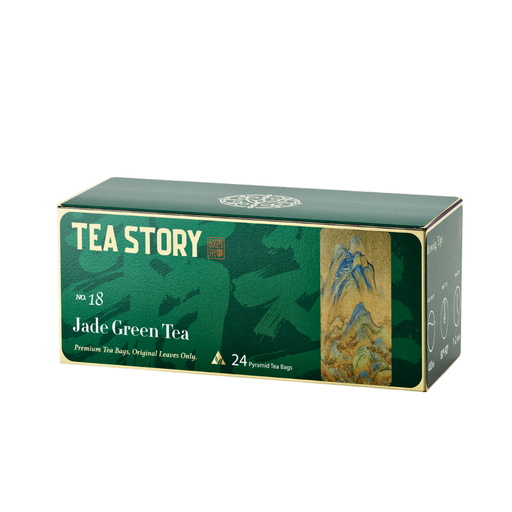 No image available
A tea-bag format for a plain green-tea break. The product information lists green tea as the ingredient, one 2g bag per cup and a 3–5 minute infusion. ECOCERT Organic is a product claim; check the current pack or certification details if organic status is decisive.
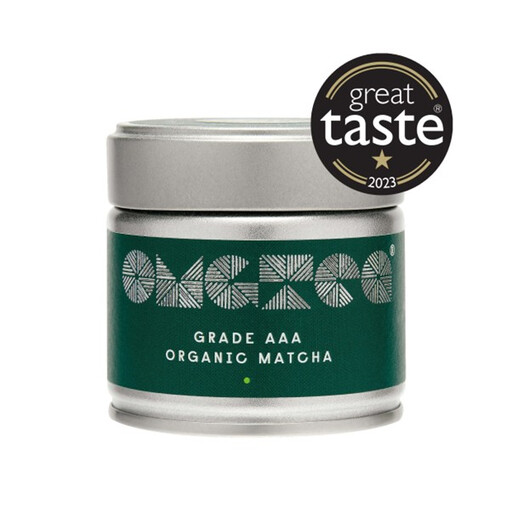 No image available
Powdered matcha rather than a conventional tea bag or a green-tea blend. The ingredient statement describes 100% organic matcha, and the product description mentions whisking it into hot tea. Check the current pack for organic details and preparation directions before choosing it for a short break.
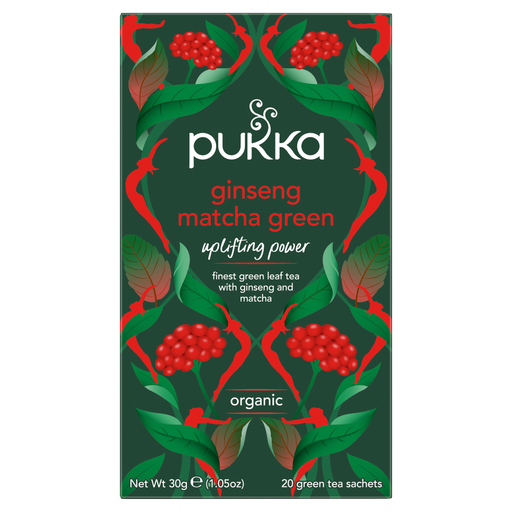 No image available
A green-tea blend for someone who wants matcha and botanicals rather than plain tea. Its description names Sencha green tea and matcha and calls the Sencha organic; that does not establish organic status for the full blend. Check the current pack for the full ingredient claims and preparation directions.
The Department for Environment, Food & Rural Affairs says food labelled organic must meet organic production rules and be certified by an approved organic control body. Check that the claim applies to the green tea you are buying; words such as natural or ethically sourced do not mean the same thing.
Choose pure organic green tea if you want a plain ingredient profile; choose an organic matcha blend if its different ingredients and flavour appeal to you. Check the exact blend's pack for its organic claim rather than assuming that every ingredient has the same status.
Follow the directions for your particular tea. Clipper advises cooling boiled water for a minute before infusing its Organic Fairtrade Pure Green Tea for 1–3 minutes; Twinings specifies a three-minute infusion for its Pure Green Tea.
Do not assume it is caffeine-free: the European Food Safety Authority says caffeine occurs naturally in tea leaves. Check information for the specific product and take other sources of caffeine into account if they matter to your choice.
Use the listing to identify what to check, then read the current pack and manufacturer information for details that affect your decision. Tesco cautions that food products may be reformulated, and its Pukka Supreme Matcha Green listing contains contradictory caffeine wording.