
24/7 Customer Support

Free returns

Same-day & Next-day Delivery

Quality Guaranteed

Unlock Your Welcome Offers: FREE Delivery | Up to 80% OFF | Free 30-day JoyPlus trial
Download the APP
Navigating a dark hallway at night, fumbling for a light switch in a packed wardrobe or wishing for a little extra light under your kitchen cabinets are common household frustrations. A motion sensor light offers a simple and effective solution, providing illumination exactly when and where you need it without the cost or hassle of hiring an electrician.
These clever devices bring convenience and an added layer of safety to any home, making them ideal for families with young children, carers for the elderly or anyone looking to make their space more functional. This guide will walk you through the key features to consider and present some of our top recommendations to help you find the perfect fit for your needs.
With so many options available, from a simple battery operated night light to a sophisticated motion activated led light, it helps to know what to look for. Here are a few key points to consider before making a choice.
Your choice of power source affects both convenience and long-term cost.
rechargeable wardrobe light typically uses a built-in battery that can be charged via a standard USB cable. This is an environmentally friendly option that saves you from buying replacement batteries. They are ideal for frequently used areas where recharging is straightforward.automatic stair lights.One of the main attractions of a wireless motion sensor light is the ease of installation. Most models avoid the need for drills or wiring.
stick on lights for cupboards are incredibly simple to mount and are perfect for renters.magnetic drawer light offers greater flexibility. These lights often come with a separate adhesive metal plate. You stick the plate where you want the light, and the light itself attaches magnetically. This allows you to easily remove the unit for recharging or to use as a temporary torch without disturbing the adhesive mount.The type of light and the sensor's sensitivity are crucial for performance. Look for a warm, soft glow (around 2800K–3200K) for bedrooms and hallways to avoid harsh, sleep-disrupting brightness. For task-oriented areas like under cabinets, a brighter, cooler light might be more suitable. Also, check the sensor's detection range and angle to ensure it will activate reliably in your chosen space.
Here are a few standout options that cater to different needs and spaces.
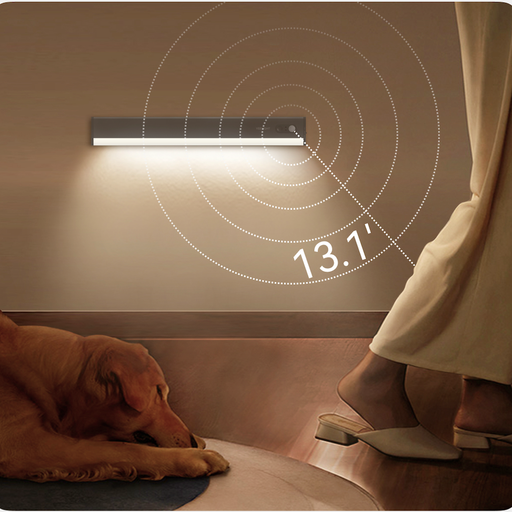
under cabinet lighting.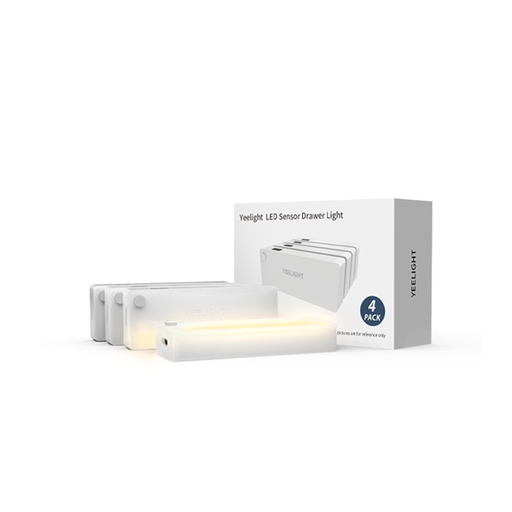
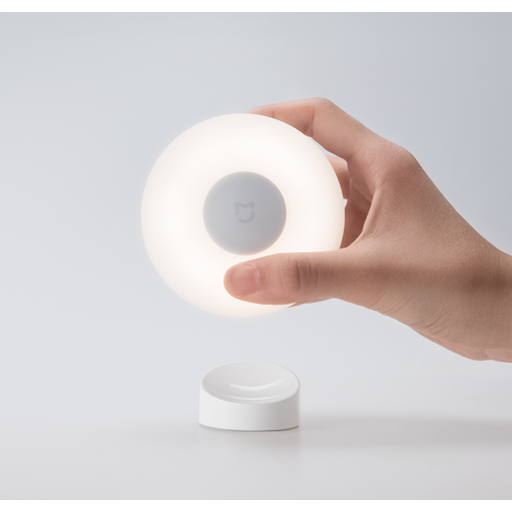
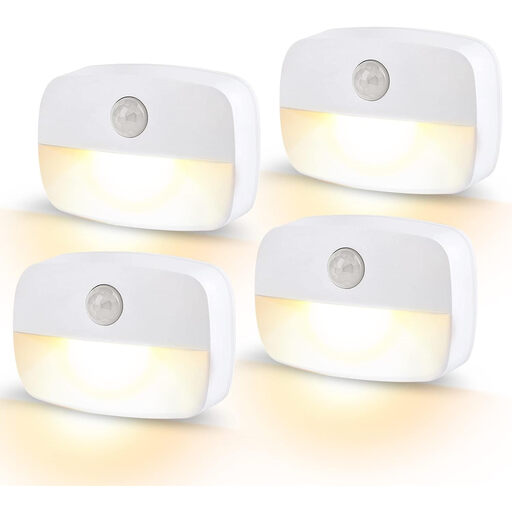
hallway sensor light, stairways and bathrooms.If the recommendations above are not quite what you are looking for, there are many other styles and configurations available. From different sizes to alternative features, you can find a solution for almost any indoor lighting challenge.
Explore our complete range of indoor battery lights to discover more choices.
1. How does a motion sensor light work? Most indoor motion sensor lights use a Passive Infrared (PIR) sensor. This sensor detects the infrared energy (body heat) emitted by people and pets. When you walk into its detection zone, the change in infrared energy triggers the light to switch on. It then turns off automatically after a set period of no movement.
2. Where is the best place to put a motion sensor light? They are incredibly versatile. Common placements include inside wardrobes and pantries, under kitchen cabinets for task lighting, along stairways and hallways for safe navigation at night and inside deep drawers. Their wireless nature means you can place them almost anywhere you need a touch of automatic light.
3. Do motion sensor lights use a lot of energy? No, they are highly energy-efficient. Because the motion activated led light only turns on when it detects movement and switches off shortly after, it consumes very little power. Both rechargeable and battery-operated models are designed for long life, making them a cost-effective lighting solution.