
24/7 Customer Support

Free returns

Same-day & Next-day Delivery

Quality Guaranteed

Unlock Your Welcome Offers: FREE Delivery | Up to 80% OFF | Free 30-day JoyPlus trial
Download the APP
Motion sensor lights can make dark cupboards, hallways, stairs, porches and driveways easier to navigate without leaving a switch on. However, product listings often focus on LED counts, impressive-looking brightness figures or vague battery claims while overlooking the details that affect everyday use.
Before buying, watch for three common pitfalls:
Most indoor PIR sensor lights detect movement through changes in infrared heat. A stated 3–5 metre detection range, for example, may suit a wardrobe, kitchen cabinet or hallway, but the actual result depends on mounting height, the direction of movement and obstructions.
Check whether the product offers:
For a staircase, choose a light that activates reliably as you approach. For a cupboard, a shorter range can help prevent unnecessary activation elsewhere in the room.
Rechargeable motion sensor lights are convenient for rented homes and locations without a nearby socket. USB rechargeable lights can usually be charged from a compatible USB charger, laptop or power bank, but battery capacity still matters.
For comparison, the supplied products include:
Do not assume that a larger battery always means a longer operating period. Activation frequency, brightness, standby consumption and temperature can all affect practical performance. It is also worth checking charging time, the location of the charging port and whether the light can remain attached while charging.
Magnetic LED lights and adhesive-mounted cabinet lights can be installed without drilling, which is useful for renters or anyone wanting flexible positioning. Clean and dry the mounting surface first, then follow the supplied instructions. Adhesive mounting may be less suitable for textured, dusty or damp surfaces.
Colour temperature affects the atmosphere and visibility:
For outdoor use, check the stated IP rating rather than relying on the word “waterproof”. An IP65 outdoor light is designed to offer protection against dust and water jets, but installation instructions, cable routing and exposure conditions still matter. Indoor products should be kept away from water and high humidity unless the manufacturer states otherwise.
The following selections match different spaces and buying priorities. Always review the current product page for included accessories, charging details, dimensions and availability before ordering.

Why This Fits Their Persona: A practical starting point for renters, students and homeowners who need two compact lights for cabinets, shelves, wardrobes or hallways without drilling.
The listing gives the 3–5 metre PIR range, 800mAh battery and adhesive mounting method, making key limitations easier to assess before purchase.
Two lights per pack, three colour temperatures and USB charging with no-drill installation.
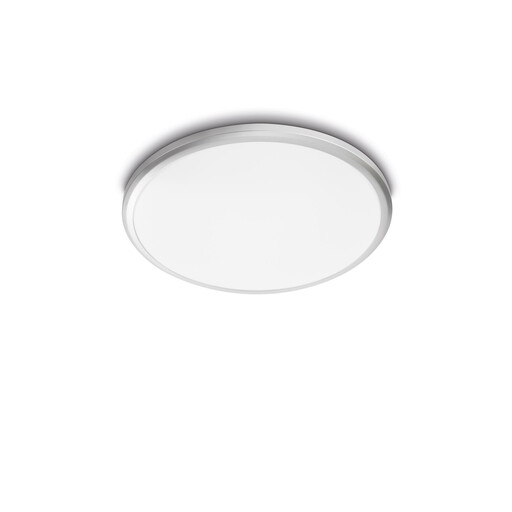
Why This Fits Their Persona: Suitable for shoppers looking for a fixed motion sensor ceiling light for a dry indoor room, rather than a portable cabinet fitting.
The product information states its 12W power, 26cm width, dry-environment requirement and self-assembly requirement, so it is not presented as a universal outdoor fitting.
Uniform light distribution and a stated LED lifespan of up to 15,000 hours.
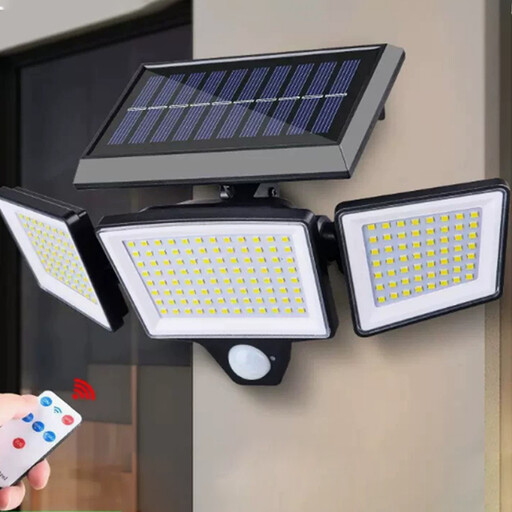
Why This Fits Their Persona: Designed for larger outdoor areas such as driveways, garages, patios and gardens where mains wiring may be inconvenient.
Its listed IP65 rating, solar power source, 60-foot detection distance and 180-degree sensor angle provide measurable details for outdoor planning.
Three adjustable heads, three lighting modes and a listed 1,800mAh solar battery.
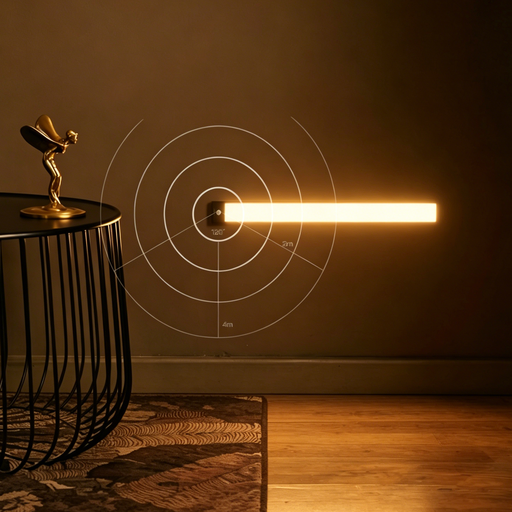
Why This Fits Their Persona: A compact rechargeable option for wardrobes, kitchen cupboards, hallways and other areas where a discreet magnetic light is useful.
Its stated use cases and 20cm format help shoppers select a light for narrow spaces instead of overbuying a larger fitting.
Wireless rechargeable design, magnetic mounting and warm lighting for evening use.
We have compiled a complete, real-time list of products that fully satisfy these strict selection criteria and UK safety regulations.
Rechargeable and solar models do not use mains electricity during operation, although they require charging or adequate daylight. Mains-powered LED fittings generally use less electricity than equivalent traditional lamps, but running cost depends on wattage, activation frequency and electricity tariffs. Automatic shut-off can reduce unnecessary operating time.
There is no single answer. Battery capacity, brightness, sensor sensitivity, number of activations and the length of each activation all affect performance. Compare the stated battery capacity and charging method, then consider how often the light will be triggered. A wardrobe light used briefly each evening will have different requirements from a hallway light activated repeatedly throughout the night.
Yes, compact wireless LED lights can be useful on stairs when positioned to illuminate each step or landing without creating glare. Check the sensor range, mounting security and light direction. For permanent ceiling or wall fittings, ensure the installation is appropriate for the property and does not obstruct normal movement.