
24/7 Customer Support

Free returns

Same-day & Next-day Delivery

Quality Guaranteed

Unlock Your Welcome Offers: FREE Delivery | Up to 80% OFF | Free 30-day JoyPlus trial
Download the APP
Choosing motorcycle accessories is rarely as simple as comparing prices. A tail bag may look practical but fail to fit your rear section, while a motorcycle phone mount may advertise wireless charging without making its power requirements clear. For UK riders, changing weather, traffic, vibration and limited storage make compatibility and installation particularly important.
Whether you ride a motorcycle, scooter, moped, ATV or e-bike, check the details behind the marketing before you buy.
“Universal” usually refers to a range of mounting points or handlebar sizes, not every motorcycle design. A magnetic motorcycle charger, phone holder or luggage bag still needs a suitable surface, diameter or electrical connection.
For example, a magnetic tail bag may only attach securely to steel. Plastic and aluminium tail sections will not provide the required magnetic connection, even if the product is described as suitable for motorcycles generally.
Waterproof ratings have limits. An IPX6 rating indicates protection against powerful water jets from different directions, but it does not mean a bag should be submerged. Roll-top closure, correctly secured openings and cable routing can be just as important as the rating itself.
For year-round commuting, look for a waterproof motorcycle tail bag with a sealed or roll-top design, then check whether electronics such as a wireless charger are separately protected. A water-resistant bag cannot make an exposed phone or charger waterproof.
A wireless charging motorcycle phone holder may list 15W output, but that does not guarantee 15W charging with every phone. The handset, charging standard, case and power supply all affect performance.
You should also confirm whether the mount requires a switched 12V supply, an accessory port or a separate PD/QC charger. Incorrect wiring can drain the battery when the motorcycle is parked, while a loose or unprotected connection may be vulnerable to rain and vibration.
Measure your handlebar or mirror stem before ordering. Some motorcycle phone mounts fit 22mm–28mm bars, while others include adapters for a wider range. Check whether the mount clamps to the handlebar, mirror stalk, rear rack or pillion seat.
For an anti-vibration phone mount, also consider clearance around switches, brake lines and instruments. The phone should lock firmly without obstructing controls or your view.
For motorcycle luggage bags, compare the stated rating with the construction. IPX6 is useful for heavy rain and road spray, but the bag should still be closed according to the manufacturer’s instructions. Roll-top dry bags are practical because the opening can be folded and secured rather than relying solely on a zip.
Do not assume the same protection applies to charging ports or connected cables. Keep electrical connections raised where possible and use a suitable waterproof connection.
Capacity should match the way you ride. A 20-litre motorcycle luggage bag can suit daily clothing, rain gear and small personal items, but a larger touring load may need panniers or additional luggage.
Magnetic attachment is convenient, but it should not be treated as the only security measure at higher speeds. Check whether supplied straps are needed and identify suitable anchor points before riding. Avoid overloading the bag and confirm that its position does not interfere with a passenger or rear lights.
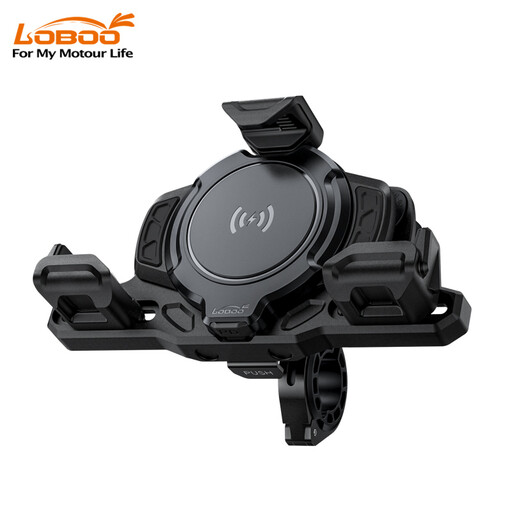
Why This Fits Their Persona: A practical option for riders who want one handlebar or mirror-stem mount for navigation and everyday journeys. It fits 22mm–28mm handlebars and is also listed for scooters, bicycles, e-bikes and ATVs.
The stated clamp range helps reduce guesswork. Buyers should still measure their bar or mirror stem and remember that wireless charging is optional and may be sold separately or as a kit.
Anti-theft screw; compatible with standard 22mm–28mm mounting points; optional 15W wireless charging.
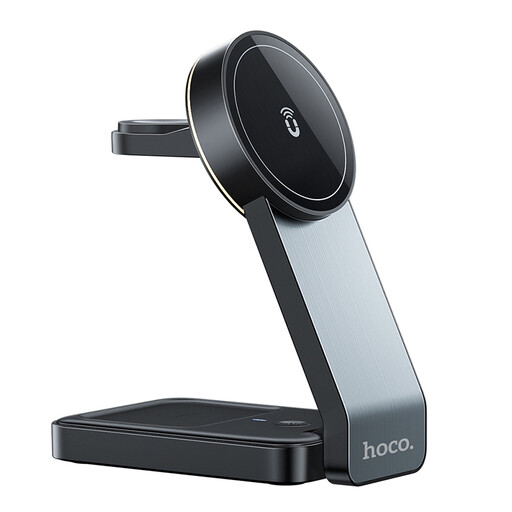
Why This Fits Their Persona: Suits riders who want a compact charging station for a phone, earphones and a compatible watch during touring stops or daily commuting.
Its requirements are clearly stated: it needs a PD/QC charger and must not be immersed or used in damp conditions. That makes it unsuitable for exposed wet riding unless properly sheltered.
Phone output options up to 15W; 5W earphone output; 2.5W watch output; foldable design.
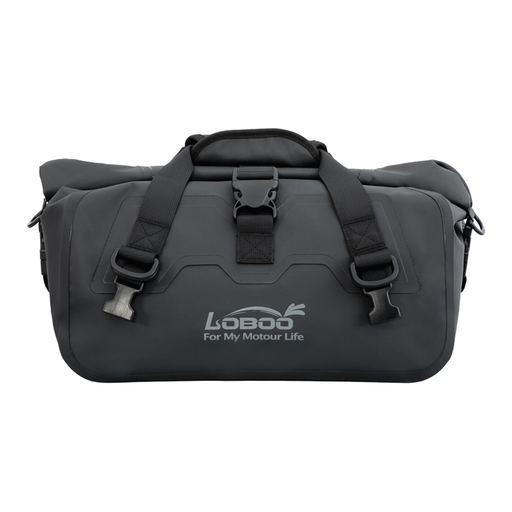
Why This Fits Their Persona: Designed for riders carrying rainwear, daily essentials or touring equipment on a motorcycle, scooter or moped with a suitable steel rear section.
The IPX6 rating and roll-top format address rain and spray, while the compatibility information makes the limitation clear: it is not for plastic or aluminium tail sections.
20-litre capacity; IPX6 water protection; magnetic self-centring on suitable steel surfaces; nylon straps supplied for additional securing above 130 km/h.
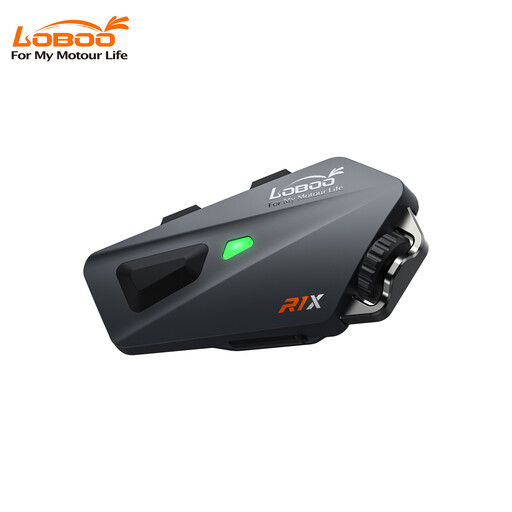
Why This Fits Their Persona: A suitable profile match for riders who need helmet-based audio for commuting or group rides, rather than adding another handlebar-mounted device.
The 45mm speaker size and CVC noise-cancellation feature are stated in the product description, but riders should still check helmet space, connectivity details and local road-safety requirements before use.
45mm speakers; CVC noise-cancellation feature; designed for helmet installation.
Before your first journey:
We have compiled a complete, real-time list of products that fully satisfy these strict selection criteria and UK safety regulations.
A secure phone mount, compact motorcycle luggage bag and weather-resistant charging setup are common starting points. Choose based on your vehicle’s mounting dimensions and whether you have a switched 12V supply. A helmet headset may also help keep navigation audio away from the handlebar, provided it is legal and safe to use in your riding situation.
Lifespan depends on UV exposure, rain, vibration, loading and maintenance. Inspect stitching, straps, clamps, charging cables and fasteners regularly. Remove electronic accessories during prolonged parking where practical and do not continue using a mount or bag if its attachment points show damage.
The electricity used by a motorcycle phone charger is generally small, but the practical cost comes from installation, compatible power equipment and possible battery drain if wired incorrectly. A PD/QC charger may be needed for some magnetic charging systems, while a switched supply can prevent the accessory from drawing power when the engine is off.