
24/7 Customer Support

Free returns

Same-day & Next-day Delivery

Quality Guaranteed

Unlock Your Welcome Offers: FREE Delivery | Up to 80% OFF | Free 30-day JoyPlus trial
Download the APP
As a Joybuy Product Recommendation Officer, my role is to help you navigate the crowded market of motorcycle gear. Whether you're carving through woodland trails or commuting on the A-roads, the right protection is essential. However, choosing effective motorcycle body armour can be confusing. Many products make bold claims, but not all deliver when it matters most. This guide will help you identify the key features to look for and avoid the common purchasing pitfalls.
The biggest mistake riders make is choosing gear based on looks or marketing hype alone. This often leads to two significant problems:
To ensure your investment provides genuine protection and comfort, focus on these non-negotiable features.
Effective motorcycle body armour uses a multi-layer system. Look for a combination of materials designed for different jobs:
armoured motorcycle jackets and trousers.breathable motorcycle armour.Proper fit is paramount. Armour should feel snug against your body over a base layer, without restricting movement. Before buying any motocross protective gear or dirt bike body armour, check for:
Your gear should protect you without feeling like a suit of medieval armour. Good design provides comprehensive coverage while allowing a full range of motion.
off-road riding gear, look for articulated or segmented back protectors. These "scale-style" designs move with your spine as you bend and twist, offering continuous protection without hindering your ability to control the bike on uneven terrain.Based on these practical criteria, here are some recommendations matched to specific rider profiles.
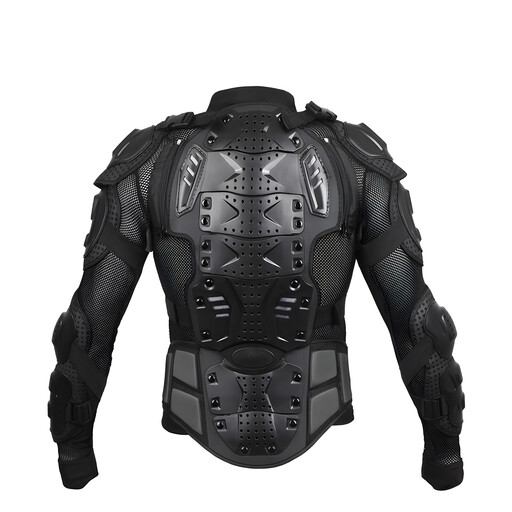
Why This Fits Their Persona: This jacket is suited for riders engaged in high-impact activities like motocross and enduro. It provides comprehensive upper-body coverage that remains flexible during dynamic movements, which is essential when navigating challenging UK trails.
It directly counters the "one-size-fits-none" problem with fully adjustable shoulder straps, elasticated cuffs with thumb holes and a wide hook-and-loop waistband to ensure a secure, non-slip fit.
Features a segmented, articulated back protector for excellent mobility. The breathable mesh chassis and chest ventilation holes help manage heat during intense rides.
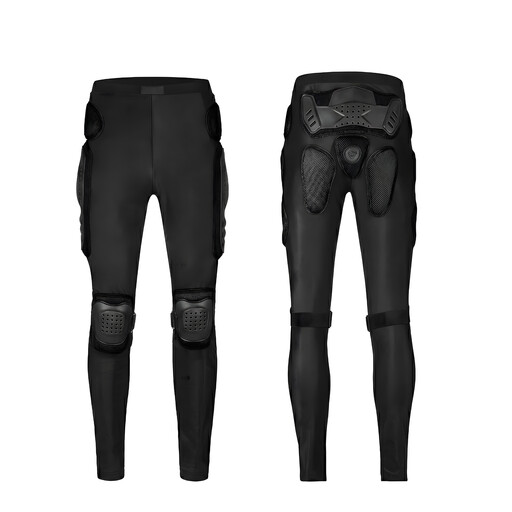
Why This Fits Their Persona: Ideal for those who need reliable lower-body protection for a range of activities, from mountain biking and dirt biking to skateboarding. This gear offers targeted impact resistance without the bulk of full leather or textile trousers.
These trousers tackle the "boil-in-the-bag" problem by using a lightweight and stretchy Lycra/mesh fabric as the base, ensuring good air circulation. The pads are fixed to the stretch material, preventing them from shifting on impact.
Provides targeted hard-shell protection for the hips, thighs and knees on a comfortable, easy-to-wear base. This makes it a versatile piece of MTB protective clothing as well as for motorcycling.
We have compiled a complete, real-time list of products that fully satisfy these strict selection criteria and UK safety regulations.
Your armour should be worn over a thin base layer and feel snug, but not restrictive. When you are in your riding position, the pads should sit squarely over the centre of your joints (elbows and knees) and shoulders. Nothing should dig in or pinch. Perform a quick test: move your arms and legs around. The pads should stay in place and not rotate or slide away from the areas they are meant to protect.
You must replace any piece of body armour after it has sustained a significant impact in a crash. Even if there is no visible damage, the internal structure of the shock-absorbing foam can be compromised, reducing its effectiveness in a future incident. For gear that hasn't been in a crash, inspect it regularly for signs of wear and tear, such as frayed seams, cracked plastic or degraded foam. A general guideline is to consider replacement every 5 years, as materials can degrade over time.
Yes, and you should to maintain hygiene and fabric performance. However, always check the manufacturer's care label first. Most armoured motorcycle trousers and jackets require you to remove all the protective pads before washing. It is generally recommended to hand wash the garment in cold water with a mild detergent and then allow it to air dry away from direct sunlight or heat sources, which can damage the materials.