
24/7 Customer Support

Free returns

Same-day & Next-day Delivery

Quality Guaranteed

Unlock Your Welcome Offers: FREE Delivery | Up to 80% OFF | Free 30-day JoyPlus trial
Download the APP
Riding a motorcycle offers a sense of freedom that few other experiences can match. Whether you're commuting through city streets, touring the scenic routes of the British countryside or tackling off-road trails, the right equipment is fundamental to your safety and enjoyment. Navigating the market for motorcycle protective gear can be confusing, with countless options and technical specifications. This guide is designed to help you understand the key features to look for, ensuring you can make an informed choice for your riding needs.
As the Joybuy Product Recommendation Officer, my role is to provide clear, practical advice to help you select suitable gear. We will focus on official safety standards and functional design, cutting through the clutter to focus on what truly matters on the road.
Before looking at specific products, it's helpful to understand the core principles of quality motorbike gear. Here are a few key considerations for UK riders.
The single most important piece of your kit is the helmet. In the UK and Europe, helmets must meet specific UN ECE regulations. The latest and most stringent of these is ECE 22.06. This standard, which became mandatory for all new helmets manufactured from 2024, involves a much wider range of impact tests than its predecessor (ECE 22.05). An ECE 22.06 helmet has been tested for direct impacts at different speeds, rotational forces (a common factor in brain injuries) and the performance of accessories like sun visors. When choosing a new helmet, looking for the ECE 22.06 label is a clear indicator of modern safety compliance.
The two most popular helmet styles for road riding each offer distinct advantages:
While the helmet is critical, protecting the rest of your body is just as important. An armoured motorcycle jacket or a dedicated piece of motorcycle body armour is designed to shield key areas like the back, shoulders and elbows from impact and abrasion. Look for gear that includes CE-rated armour inserts. The materials should be durable and abrasion-resistant, but also offer breathability and flexibility for comfort on longer rides. This type of motorbike gear for men and women is essential for all riding disciplines.
Here are a few recommendations that align with the principles of safety, function and value.
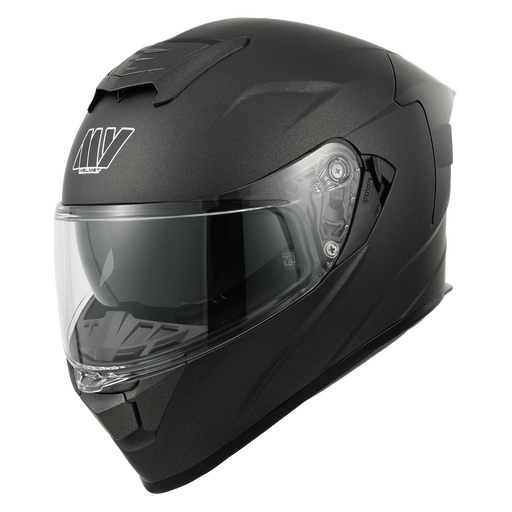
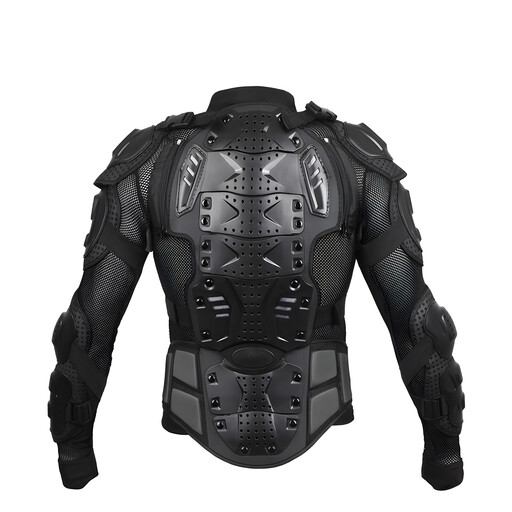
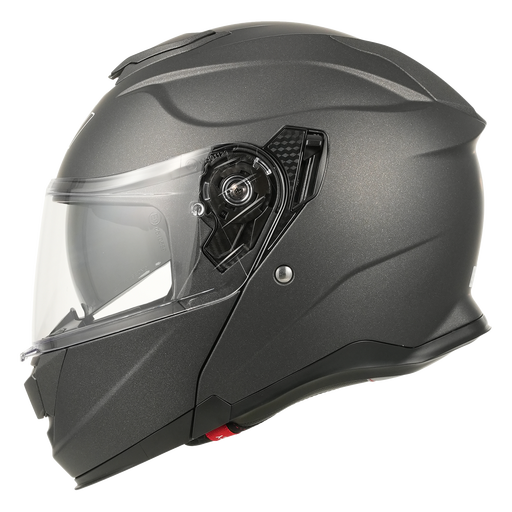
If the products above don't quite match your specific needs, or if you're searching for other specialised items like boots, gloves or trousers, we invite you to browse our wider collection.
? Explore our full range of motocross equipment and riding gear.
1. What is the new ECE 22.06 helmet standard? The ECE 22.06 is the latest UN safety standard for motorcycle helmets. Compared to the old 22.05 standard, it includes more rigorous testing procedures. This includes testing impacts at higher and lower speeds, assessing rotational forces and ensuring that official accessories like sun visors meet safety requirements. It represents the current benchmark for helmet safety in the UK and EU.
2. How often should I replace my motorcycle helmet? Most manufacturers recommend replacing your helmet every five to seven years, even if it looks fine. The materials used in the helmet's protective liner (EPS) can degrade over time due to exposure to sweat, hair products and environmental factors, reducing its ability to absorb impact. Crucially, you must replace your helmet immediately after any significant impact, as the internal structure may be compromised even if there is no visible external damage.
3. Is motorcycle body armour necessary for road riding? While not legally required in the same way as a helmet, using an armoured jacket or separate body armour is highly recommended for all riders. Standard clothing offers very little protection against impact or abrasion in an accident. Motorcycle-specific armour is designed to absorb and distribute impact forces, significantly reducing the risk of injury to vulnerable areas like your spine, shoulders and elbows.