
24/7 Customer Support

Free returns

Same-day & Next-day Delivery

Quality Guaranteed

Unlock Your Welcome Offers: FREE Delivery | Up to 80% OFF | Free 30-day JoyPlus trial
Download the APP
Whether you're navigating city streets, exploring country B-roads or tackling off-road trails, the right equipment is non-negotiable. However, the market for motorcycle protective gear is filled with marketing clutter and products that promise much but deliver little. Many UK riders find themselves with gear that is uncomfortable, offers inadequate protection or simply isn't suited to our unpredictable weather. Before you invest, let's look at the common pitfalls that can compromise both your safety and your wallet.
The most frequent issues we see are:
To avoid these traps, focus on a few core parameters that define quality and functional motorcycle protective gear. Understanding these will help you choose equipment that performs when you need it most.
The single most important factor for any piece of armoured motorcycle clothing is its safety certification. In the UK and Europe, this is the CE (Conformité Européenne) marking. Armour is typically rated to one of two levels:
Always check that the armour itself, not just the garment, is certified to a specific EN standard (e.g., EN 1621-1 for limbs).
The materials used dictate the gear's abrasion resistance, comfort and lifespan. Look for a smart combination of fabrics designed for different purposes. For example, many modern garments use a base of breathable, stretchy fabric like Lycra or mesh for comfort and fit, with high-impact areas reinforced with hard plastic shells (PP) and shock-absorbent EVA foam. This construction is common in versatile motocross gear and MTB protective gear, offering protection without sacrificing mobility. Pay attention to the stitching; double or triple-stitched seams are far less likely to burst under stress.
Your gear needs to handle a sunny morning that turns into a rainy afternoon. Look for features that offer adaptability:
Based on these practical criteria, we've matched a few standout items to different rider profiles. These selections prioritise function, safety and real-world usability.
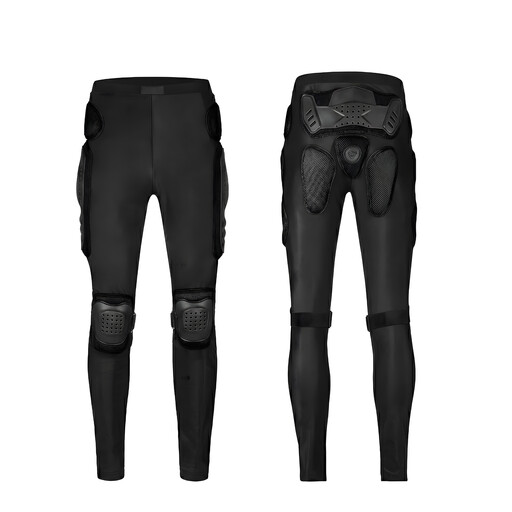
Why This Fits Their Persona: Ideal for the rider who enjoys a mix of commuting, weekend road trips and light off-road fun. These pants offer a practical balance of protection and comfort for varied UK riding without the bulk of heavy-duty race gear.
The armour is integrated into stretchy mesh leggings, ensuring it stays securely over the hips, thighs and knees. The breathable mesh fabric directly counters the problem of poor ventilation.
Features hard shell cushions and EVA foam for impact absorption. Its versatile design is suitable for motorcycles, MTB and other outdoor sports.
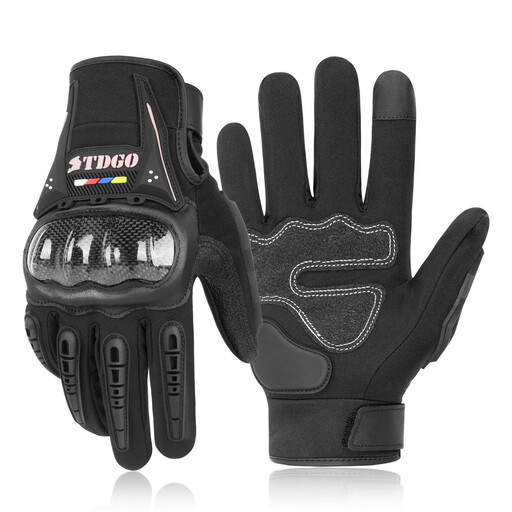
Why This Fits Their Persona: For new riders, a quality pair of gloves is one of the first and most important purchases. This pair provides essential protection and modern features without a prohibitive price tag, making safety accessible from day one.
Instead of vague protection, these gloves feature a built-in carbon fibre hard shell specifically for the knuckles. The lightweight, breathable polyester fabric avoids the overheating issue common in cheap, non-functional gloves.
Includes conductive fibres on the index finger for touchscreen use. The adjustable hook-and-loop fastener ensures a secure fit, preventing them from slipping.
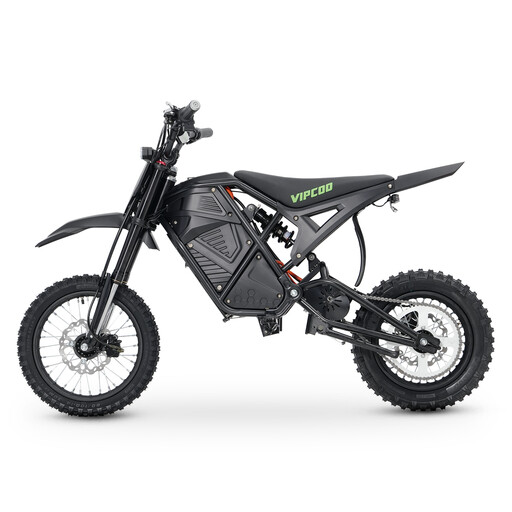
Why This Fits Their Persona: For the rider focused on pure off-road performance, the machine is as critical as the gear. This **electric dirt bike** is built for tackling challenging terrain, offering the power and suspension needed for serious motocross and trail riding.
This isn't a road bike repurposed for dirt. It's a purpose-built off-road vehicle with front hydraulic shocks, rear nitrogen suspension and proper off-road tyres, avoiding the trap of using under-specced equipment for demanding conditions.
The 3500W high-torque motor provides excellent climbing power, while dual hydraulic disc brakes ensure reliable stopping. The removable battery adds a layer of convenience for charging.
We have compiled a complete, real-time list of products that fully satisfy these strict selection criteria and UK safety regulations.
1. How often should I replace my motorcycle protective gear? As a general rule, you should replace your helmet every 5-7 years or immediately after any impact. For armoured clothing, inspect it regularly for abrasion, frayed seams or damaged armour. If it's been in a significant slide or crash, it should be replaced as its protective integrity may be compromised, even if the damage isn't obvious.
2. Can I wash armoured motorcycle clothing? Yes, but you must follow the manufacturer's instructions carefully. In most cases, you will need to remove all the armour pads from their pockets before washing. Use a mild detergent and wash on a gentle, cool cycle or by hand. Never use a tumble dryer; always let the gear air dry away from direct heat or sunlight to preserve the materials.
3. What is the difference between CE Level 1 and Level 2 armour? The difference lies in the amount of impact force they absorb. To be certified, armour is subjected to a standardised impact test. CE Level 2 armour allows less than half the force to be transmitted to the rider compared to CE Level 1 armour. This means Level 2 offers significantly more protection, though it can sometimes be slightly thicker or less flexible. For key areas like your back, Level 2 is a worthwhile consideration.