
24/7 Customer Support

Free returns

Same-day & Next-day Delivery

Quality Guaranteed

Unlock Your Welcome Offers: FREE Delivery | Up to 80% OFF | Free 30-day JoyPlus trial
Download the APP
Whether you're navigating green lanes, hitting the motocross track or commuting through the city, selecting the right motorcycle protective jacket is one of the most critical gear decisions you'll make. The market is flooded with options, but not all are created equal. A poor choice can lead to more than just buyer's remorse; it can compromise your safety and comfort on the road.
As the Joybuy Product Recommendation Officer, my role is to help you see past the marketing jargon. This guide focuses on the common pitfalls UK riders face and the essential features to look for, ensuring you get the protection you need without wasting your money.
Many jackets look the part but fail in key areas. Here are three frequent issues that can render your gear ineffective or uncomfortable.
To avoid the pitfalls, focus on these core parameters. They are the difference between a jacket that just looks good and one that performs when you need it most.
The single most important feature is the armour. In the UK and Europe, this is typically rated to a CE (Conformité Européenne) standard.
The jacket's main body, or "chassis," holds the armour in place. The ideal construction balances toughness with comfort.
A jacket's protective features are only effective if they stay where they are supposed to.
Instead of a generic list, we've matched specific products to the riders who will benefit from them most.
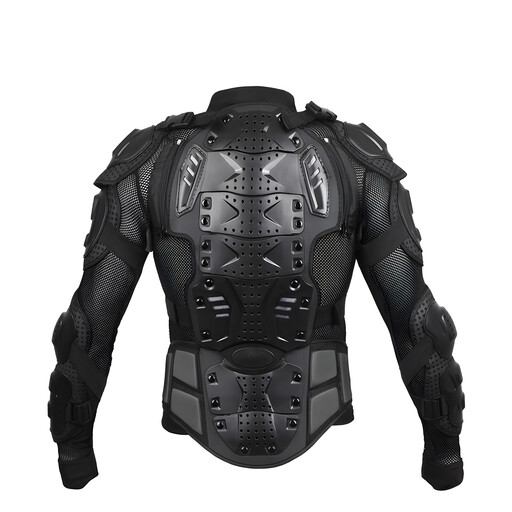
Why This Fits Their Persona: This rider needs comprehensive protection for trail riding and motocross but is also mindful of cost. This jacket provides full upper body coverage, including a substantial back protector, without the premium price tag of some specialist brands.
It directly counters the "boil-in-the-bag" effect with its highly elastic and breathable mesh fabric chassis, ensuring you stay cool during physically demanding rides.
Features a removable scale-style back armour and extended spine cover, offering comprehensive protection that can be adjusted or removed for cleaning.
Why This Fits Their Persona: This person needs versatile gear for more than just motorcycling, such as downhill mountain biking or skateboarding. The flexible design and full-body coverage are ideal for various high-impact sports where falls are a risk.
It avoids the trap of confusing fabric with protection. The combination of a tough PE outer shell and shock-absorbing EVA cushions provides true impact resistance, not just abrasion defence.
Its flexible waist and fully adjustable straps allow for a full range of motion, making it comfortable for dynamic activities beyond just sitting on a bike.
Why This Fits Their Persona: Finding properly fitting protective gear can be a challenge for riders who don't fit a "standard" size. This model's extensive adjustability and wide size range (from S to XXXL) cater to a broader variety of body types.
This jacket directly solves the "one-size-fits-all" armour trap by offering specific sizing combined with multiple adjustment points on the shoulders, waist and arms for a customised, secure fit.
The wide elastic hook-and-loop waistband and fully adjustable shoulder straps ensure the armour stays firmly in place, regardless of body shape, providing reliable protection.
We have compiled a complete, real-time list of products that fully satisfy these strict selection criteria and UK safety regulations.
A properly fitted jacket should be snug enough that the armour does not shift, but not so tight that it restricts your movement or breathing. When you are in your riding position, the sleeves should cover your wrists and the armour should sit directly over your shoulders and elbows. Always consult the manufacturer's size chart and measure yourself carefully before buying.
Yes, absolutely. The design of this off-road style protective jacket, with its focus on impact absorption and flexibility, makes it highly suitable for other high-impact sports. Many people use them for downhill mountain biking, snowboarding and skateboarding where similar types of falls and impacts can occur.
Most jackets of this type feature removable armour. First, carefully take out all the protective pads from the chest, back, shoulders and elbows. The fabric chassis can then typically be hand-washed in cold water with a mild detergent. Rinse it thoroughly and allow it to air dry away from direct sunlight or heat. The armour pieces can be wiped clean with a damp cloth. Never machine wash or tumble dry the armour itself, as this can damage its structure.