
24/7 Customer Support

Free returns

Same-day & Next-day Delivery

Quality Guaranteed

Unlock Your Welcome Offers: FREE Delivery | Up to 80% OFF | Free 30-day JoyPlus trial
Download the APP
Bath time should be a moment of fun and bonding, not a source of worry. Yet, many parents have experienced that unsettling moment: squeezing a beloved rubber ducky only to see a spray of murky water, or discovering black specks of mould hidden inside. This common problem with traditional bath toys, which often have small holes that trap water, has rightly made parents seek out safer, more hygienic alternatives.
As the Joybuy Product Recommendation Officer, my role is to help you find practical products that fit your family's needs. This guide is designed to cut through the clutter and highlight what truly matters when choosing mould free bath toys. We will explore the key features to look for and share some of our top recommendations to help make your child's bath time both safe and enjoyable.
Choosing the right baby bath toys goes beyond bright colours and fun shapes. For peace of mind, hygiene and safety are paramount. Here are a few key considerations to guide your purchase.
The most effective way to prevent mould is to stop water from getting inside a toy in the first place. Look for toys that are either completely sealed or designed with large, open parts that can air dry completely. A watertight or no-hole design is the single most important feature of a truly hygienic bath toy, as it eliminates the dark, damp environment where mould thrives.
The material of a bath toy is just as important as its design. Many modern safe bath toys for babies are made from high-quality, non-toxic materials.
The safest bath toys can also be the most engaging. Look for developmental bath toys that encourage learning through play. Features like stacking cups, pouring spouts and varied textures can help develop fine motor skills, hand-eye coordination and problem-solving abilities. These sensory bath toys turn a simple wash into a valuable learning opportunity for newborns and toddlers alike.
Here are a few standout options that combine clever, mould-resistant designs with engaging features for little ones.
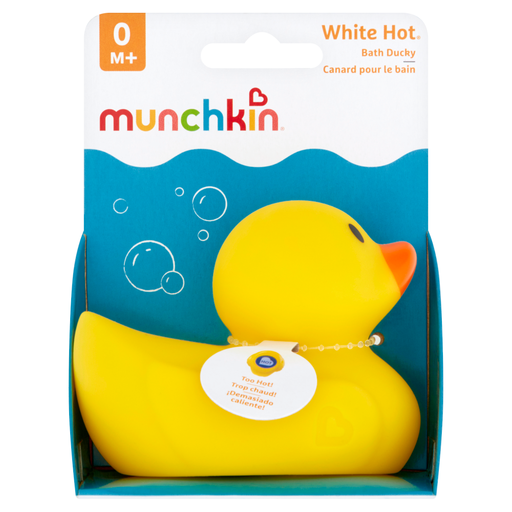
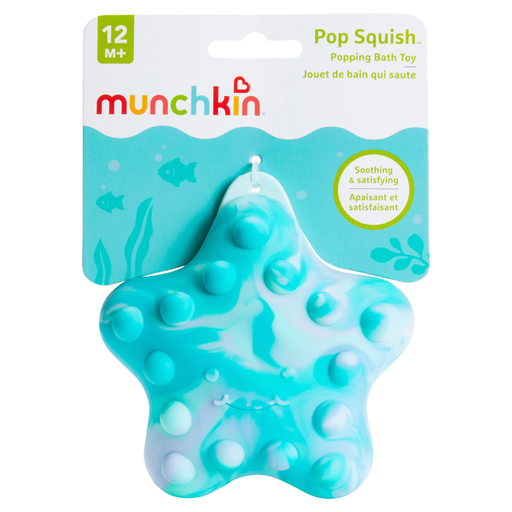

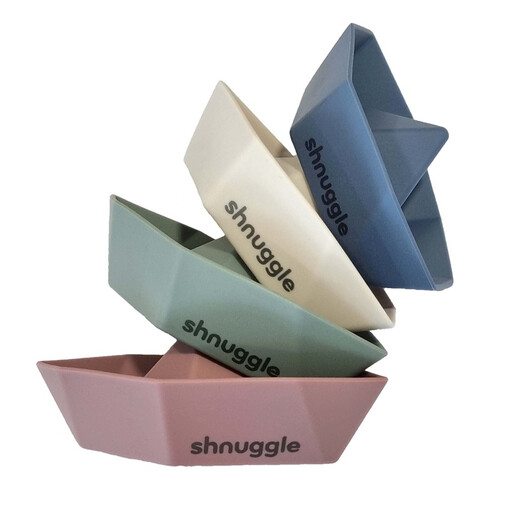
Every child has unique preferences and the perfect bath toy can vary from one family to another. If you're searching for more engaging and safe options for your little one, explore our full collection of toddler bath toys for more inspiration.
1. How do you properly clean and store hygienic bath toys? Cleaning is straightforward. After bath time, rinse the toys with clean water to remove any soap residue. For sealed toys made of silicone or rubber, simply wipe them with a cloth and let them air dry in a well-ventilated area. Open-design toys like stacking cups should also be separated and left to dry completely.
2. Are silicone and natural rubber bath toys safe for babies to chew on? Toys made from 100% food-grade silicone or 100% natural rubber are specifically designed to be safe for mouthing. These materials are non-toxic and do not contain harmful chemicals like BPA or phthalates. Always check the manufacturer's guidelines and age recommendations and inspect toys regularly for any signs of wear or damage.
3. At what age can a baby start playing with bath toys? Simple, safe newborn bath toys can be introduced right from the start. A floating, sealed toy can provide gentle visual and sensory stimulation for a very young baby. As your child grows and can sit up independently (around 6 months), you can introduce more interactive toddler bath toys that encourage scooping, pouring and stacking to support their developmental journey. Remember to always supervise children in the bath, regardless of their age.