
24/7 Customer Support

Free returns

Same-day & Next-day Delivery

Quality Guaranteed

Unlock Your Welcome Offers: FREE Delivery | Up to 80% OFF | Free 30-day JoyPlus trial
Download the APP
Choosing a new mountain bike helmet can feel overwhelming. The market is flooded with options, all promising superior protection and comfort. However, many riders in the UK find their purchase falls short, often due to subtle design flaws or misleading marketing. Before you invest, it's crucial to understand the common pitfalls that lead to buyer's remorse and more importantly, compromised safety.
As a Joybuy Product Recommendation Officer, my role is to help you see past the hype. Here, we'll break down the essential factors for selecting the right helmet and highlight three frequent mistakes to avoid.
To make an informed choice, focus on these non-negotiable parameters. They are the foundation of a safe and comfortable adult cycling helmet.
This is the most critical factor. In the UK, all cycling helmets must legally meet the EN 1078 standard. However, many high-quality helmets also seek certification from US bodies, which is a strong indicator of robust testing.
Always check the product description for these certifications. A helmet that meets multiple standards has been subjected to a broader range of safety tests.
The way a helmet is built directly impacts its protective capabilities and weight.
A helmet only works if it stays securely on your head. An adjustable bike helmet with a rear retention dial allows you to fine-tune the fit with one hand. Combined with adjustable chin straps, this ensures the helmet remains stable without being restrictive.
Additionally, consider features that match your riding style:
Based on these practical criteria, we've matched several helmets to specific UK rider profiles.
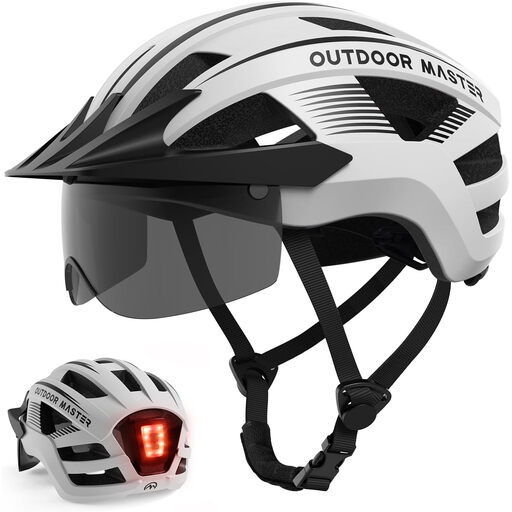
Why This Fits Their Persona: Ideal for the UK cyclist who splits time between commuting on city roads and enjoying leisurely weekend trails. This helmet adapts to changing conditions, from a dark evening commute to a sunny trail ride.
It avoids the need to buy separate accessories by integrating key features. The rechargeable rear light, detachable magnetic goggles and removable visor provide all-in-one functionality for different environments.
CPSC and ASTM certified for reliable protection. The Type-C rechargeable light is convenient and the 17 vents ensure good airflow for comfort.
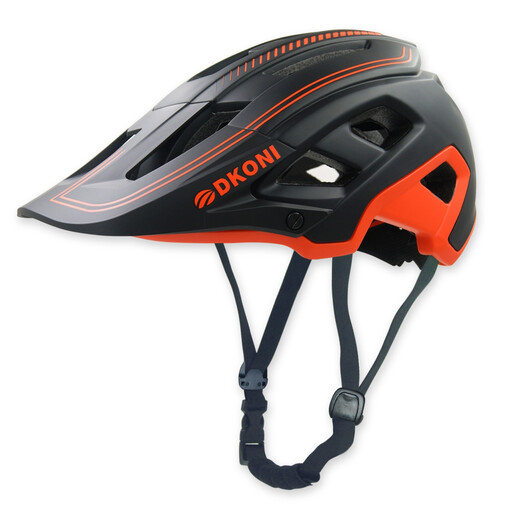
Why This Fits Their Persona: Built for the rider who spends hours on cross-country or trail centre routes. Comfort over long distances is paramount, requiring a helmet that is light, cool and provides solid protection from trail hazards.
It directly counters the "poor ventilation" pitfall. With a lightweight design (around 380g) and 17 aerodynamic vents, it is engineered for maximum airflow, preventing overheating during strenuous climbs.
Features dual US and European safety certifications with extended rear coverage. The large, removable ABS visor offers substantial protection from sun and mud.
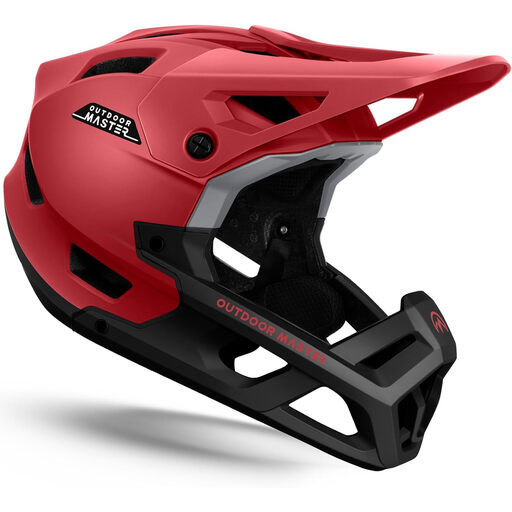
Why This Fits Their Persona: For the rider focused on downhill, enduro or BMX, where the risk of high-speed falls is greater. This user requires maximum head and face protection without compromise.
This helmet prevents the critical mistake of using inadequate protection for high-risk riding. Its full face MTB helmet design with an integrated chinbar provides essential protection that open-face helmets lack.
Constructed with a tough ABS shell and an impact-absorbing EPP inner liner. Features like the chinbar shock pads and 27 cooling vents offer a combination of high protection and comfort.
We have compiled a complete, real-time list of products that fully satisfy these strict selection criteria and UK safety regulations.
The general rule is to replace your helmet immediately after any significant impact, even if there is no visible damage. The internal EPS foam structure can be compromised, reducing its ability to protect you in a future crash. Additionally, it is advisable to replace your helmet every 3-5 years, as materials can degrade over time due to exposure to UV light and sweat.
Yes, you can. A mountain bike helmet is perfectly safe for road cycling and commuting. The main differences are that they are typically slightly heavier and less aerodynamic than a dedicated road bike helmet. Most riders remove the visor for road use to improve their field of vision when in a more aggressive riding position.
A correctly fitted helmet is crucial for safety. It should sit level on your head, about two finger-widths above your eyebrows. When you open your mouth wide, you should feel the helmet pull down slightly. The side straps should form a 'V' shape just below your earlobes and the chin strap should be snug enough that you can fit no more than one or two fingers between the strap and your chin. The helmet should not rock back and forth or side to side by more than an inch.