
24/7 Customer Support

Free returns

Same-day & Next-day Delivery

Quality Guaranteed

Unlock Your Welcome Offers: FREE Delivery | Up to 80% OFF | Free 30-day JoyPlus trial
Download the APP
Buying mountain biking equipment can look straightforward until you compare frame sizes, safety features, storage capacity and weather protection. Marketing often focuses on gear counts, rugged-looking tread or impressive technical wording, while the details that affect everyday use are easier to miss.
For UK riders, the right choice depends on where and how you ride. A bike for canal paths and light woodland tracks does not need the same specification as equipment for steep, technical trails. Before buying, watch for these common pitfalls.
A 26-inch mountain bike may be easier to handle for some riders, but wheel size does not determine whether the frame fits. Check the frame measurement, recommended rider height and inside-leg range. An unsuitable frame can make braking, mounting and control less comfortable.
A 21-speed drivetrain offers plenty of gear choices, but it does not automatically make a bicycle suitable for demanding downhill routes or jumps. Brakes, tyres, frame construction and intended use matter just as much. A budget bike may be appropriate for casual off-road riding but unsuitable for heavy drops or downhill mountain biking.
A helmet must fit securely and should be checked for the appropriate conformity marking and safety information before purchase. A rear light can support visibility but does not replace front and rear bicycle lights where required for the conditions. Similarly, a waterproof pannier may protect contents from rain, but the rack, mounting points and load limit still need checking.
For an adult mountain bike, compare:
Suspension forks can make uneven paths more comfortable, but they do not turn a casual bicycle into a machine for stunt riding or extreme trails.
When comparing a MIPS cycling helmet, check more than the name of the technology. MIPS is designed to help manage certain rotational forces during some impacts; it is not a guarantee against injury. Prioritise:
A bike helmet with rear light can be useful for commuting, dusk rides and poorly lit routes. Check the charging connection, light modes and whether the light remains visible when the rider is wearing a jacket or rucksack.
A waterproof bike pannier bag should be assessed for usable capacity, closure design, rack compatibility and attachment security. A stated litre capacity is useful, but the internal shape determines whether it can carry work clothing, a packed lunch or cycling tools efficiently.
For colder rides, fleece-lined cycling trousers can provide warmth and wind protection. Look for an adjustable waist, ankle zips, reflective details and enough room to move when pedalling. “Waterproof” should be understood alongside the care instructions and fabric construction; no garment removes the need for sensible layering during prolonged rain.
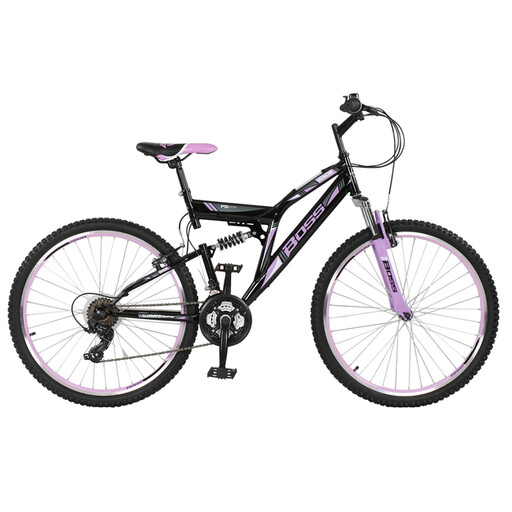
Why This Fits Their Persona: A practical starting point for adults wanting one bicycle for general riding, gravel paths and casual off-road use around the UK.
Its listing clearly states the 18-inch frame, 26-inch wheels, 18 kg assembled weight and casual-use limitation, helping buyers avoid confusing a budget bike with an extreme-trail model.
21-speed gearing, suspension forks, V-brakes and deep knobbly tread are specified for mixed everyday and casual off-road riding.
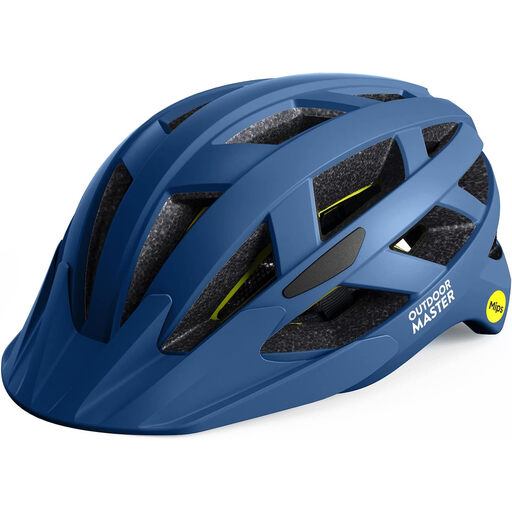
Why This Fits Their Persona: Suitable for adults who want an adjustable helmet for mountain biking, road cycling, BMX or skating rather than a single-purpose design.
The listing identifies the MIPS system, size L, adjustment dial and two removable liners, giving buyers tangible fit details instead of relying on vague protection language.
Polycarbonate outer shell, EPS interior, 25 vents, removable visor and dual liner options are specified.
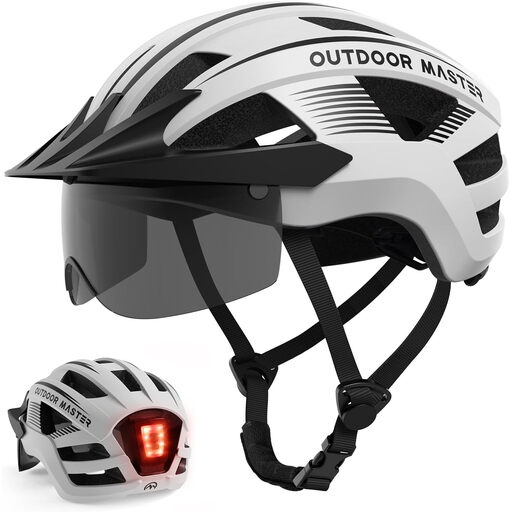
Why This Fits Their Persona: A functional option for commuters and riders who regularly switch between city roads, mountain-bike routes and lower-light conditions.
It specifies the rear light, charging connection, fit dial, visor and goggles, so the buyer can assess the complete setup rather than purchasing visibility accessories separately.
Type-C rechargeable rear LED light, 17 vents, magnetic detachable goggles and adjustable fit system.
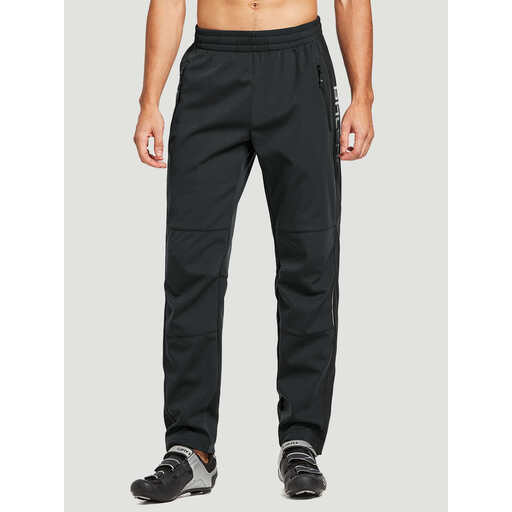
Why This Fits Their Persona: Designed for riders who continue cycling through colder, windier weather and need trousers suitable for cycling, hiking or other outdoor use.
The product details identify the lining, windproof construction, ankle adjustment and reflective elements, making the cold-weather specification easier to verify.
Fleece lining, reinforced knee stitching, reflective details, two zipped front pockets and zipped ankle cuffs.
Before the first ride, allow time for proper assembly and adjustment.
Some bicycles arrive partly assembled and may require Allen keys, a thin spanner and a pump. If you are not confident making these adjustments, a local cycle shop can complete the set-up.
We have compiled a complete, real-time list of products that fully satisfy these strict selection criteria and UK safety regulations.
It can be suitable for some adults, but frame size and inside-leg measurement are more important than the wheel dimension. Always compare the manufacturer’s rider guidance before ordering.
Lifespan varies with mileage, weather and maintenance. Tyres, brake pads, chains and bearings are wear items and may need replacing sooner than the frame or helmet. Inspect equipment before every ride and replace a helmet after a significant impact or when it shows damage.
Routine costs include tyre inflation, cleaning products, replacement brake pads, drivetrain parts and occasional servicing. Wet, muddy UK conditions can increase cleaning and component wear, so basic maintenance helps prevent avoidable repair costs.