Small-desk checkout testers
If the keyboard leaves little room for mouse movement, you need to place the pointer on form controls, scroll through pages and repeat clicks without constantly repositioning the mouse.


For checkout-page testing on a small desk, start with a compact mouse whose pointer speed you can control and whose connection works with your test computer. Consider device-switching controls if you move between test machines, and give hand fit more weight if testing occupies long work sessions. If you experience discomfort, review the whole workstation rather than expecting a different mouse to resolve it.
If the keyboard leaves little room for mouse movement, you need to place the pointer on form controls, scroll through pages and repeat clicks without constantly repositioning the mouse.
If you switch between computers or other supported test devices, connection method and device-switching controls can matter more than extra buttons you will not use.
If checkout testing is part of regular computer work, consider hand fit and the wider workstation as well as the space a mouse takes up. The Health and Safety Executive advises assessing the workstation for regular display-screen work.
For a small-desk testing setup, establish how much pointer movement you can use, then check whether the mouse fits your hand and connects to every device you need.
| Concern | What to check | Who this matters to |
|---|---|---|
| Pointer control | Check how pointer speed can be adjusted, and try the setting at your screen resolution within the available mouse-travel area. | When I move between small checkout controls, I want to place the pointer accurately without running out of desk space. Around 33% of consumers put that control first. |
| Desk space and hand fit | Compare the mouse dimensions and any stated hand-size guidance with your available space and preferred grip. | I need room beside the keyboard, but a mouse that is too small for my hand could be awkward to use. Compactness and fit come first for around 27% of consumers. |
| Long-session comfort | Check shape, handedness and button reach; consider the whole workstation for regular display-screen work. | If testing takes up much of my working day, I care about how the mouse fits into my usual setup, not just its footprint. Roughly 20% of consumers prioritise comfort during longer sessions. |
| Device connections | Confirm each host device supports the stated connection, whether a receiver is included and how device switching works. | I move between test machines and do not want a connection mismatch to interrupt a checkout run. For about 20% of consumers, connecting across devices is the primary need. |
A larger advertised sensitivity range does not, by itself, tell you whether small checkout controls will be easy to target. The pointer setting also affects how far the cursor moves for each hand movement.
Check the adjustment options and try a controllable setting at your usual resolution and desk space.
A small shell can leave more room beside the keyboard without necessarily fitting your hand or grip. Logitech, for example, offers hand-size variants in its Signature M650 range.
Use the exact model’s fit guidance where available, and check the seller’s returns terms if you cannot try its shape before ordering.
Bluetooth and receiver-based mice need different host connections, and the options or included accessories can vary by model.
Confirm the connection and operating-system requirements for each test device, including the receiver and USB connector if you plan to use one.
A computer without the required connection may need a compatible adapter or receiver.
For sustained display-screen work, the mouse is only one part of the setup. The Health and Safety Executive’s workstation guidance also addresses work arrangements and breaks or changes of activity.
Review your desk, seating and work routine alongside mouse fit, and follow applicable workplace assessment procedures.
Its UK range includes compact mice, hand-size variants, multi-device models and the Lift vertical mouse.
Its UK-listed Z3700 is an example of a conventional receiver-based wireless mouse.
Its UK-listed Bluetooth Mouse is a compact option to consider for a compatible Windows computer.
The UK-listed Orochi V2 offers a compact dual-wireless option with gaming-oriented controls.
These mice offer compact or wireless options for testing on a small desk. Check the exact connection, pointer controls and dimensions against your setup; the product choices do not replace the hand-fit and workstation checks above.
 No image available
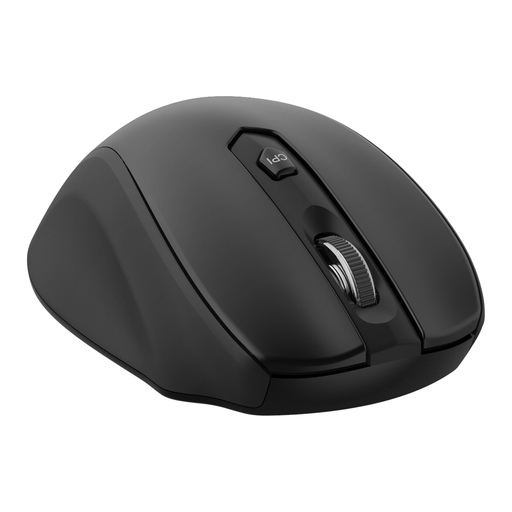
Consider this model if you need a choice of wireless connections while working in limited desk space.
The title lists 2.4G and Bluetooth connections, adjustable multi-level DPI and one AA battery. Check host compatibility and whether its scrolling controls suit your testing tasks.
 No image available
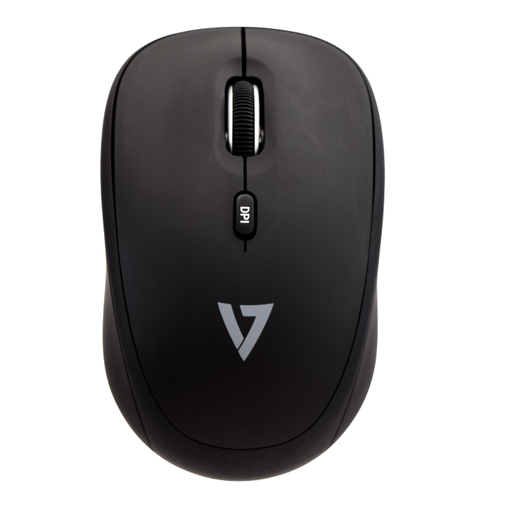
This is a receiver-based option to consider when the test computer has a suitable USB connection and you want adjustable pointer sensitivity.
The title specifies a USB receiver, five adjustable DPI levels and six buttons. Check whether its scrolling controls meet your browser-navigation needs.
 No image available
Consider this receiver-based model if you prefer an ambidextrous shape for a compact test setup.
The title lists a 2.4 GHz nano receiver, four buttons and a 1600 DPI optical sensor. Check compatibility with your operating system and confirm the scrolling controls you need.
 No image available
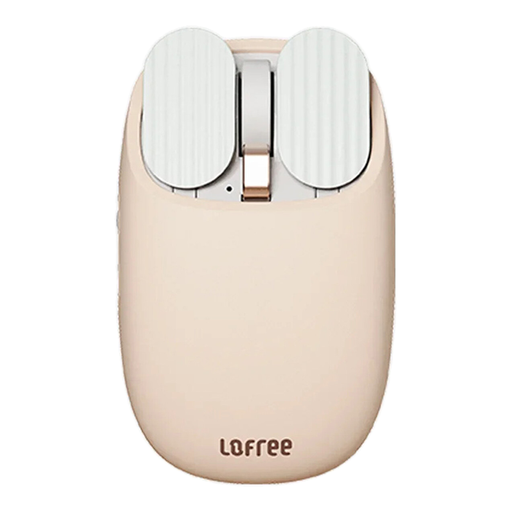
The connection choices and adjustable sensitivity may suit testing across different devices; check its dimensions before choosing it for a particularly small desk.
The title lists Bluetooth and 2.4G modes, five DPI levels and an 800mAh battery. Check compatibility with your computer’s particular operating setup.
 No image available
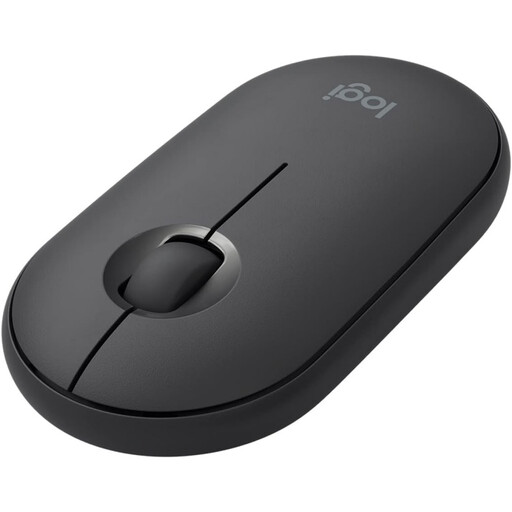
Consider its slim shape if preserving space beside the keyboard is your main concern.
Before ordering, confirm the connection method for this exact item and check its pointer-adjustment and scrolling controls against your testing needs.
No: the priority is pointer movement you can control within your desk space, not the largest advertised DPI figure. Adjust pointer speed for your screen and the small controls you need to select; a wider adjustment range may matter if you use several displays or find your desk surface difficult to track on.
Choose Bluetooth if your test computer supports the mouse’s Bluetooth requirements and you want to leave a USB port free. A receiver-based option may suit a computer without a dependable Bluetooth connection; confirm the receiver is included and fits the available port.
A different fit may be worth considering, but a mouse alone cannot address every cause of discomfort in a work setup. For UK workers using display-screen equipment regularly, the Health and Safety Executive’s guidance calls for workstation assessment and attention to breaks or changes of activity.
Check an electrical-waste collection or take-back route rather than putting the mouse in general household waste. GOV.UK describes retailer take-back of equivalent electrical items; check the retailer’s arrangements to find the route available for your purchase.