What to check before choosing
Start with the noise that could disturb others, then assess hand fit for long research sessions and the connection your laptop can accommodate.
| Concern |
What to check |
Who this matters to |
| Click noise |
Look for a quiet-click claim covering the main buttons; check that the mouse also fits your grip. |
When I search beside a roommate, I want frequent clicks to be less distracting. Around 40% of consumers put quieter primary clicks first. |
| Fit and navigation |
Check available hand sizes and wheel controls. Keep the mouse within easy reach, as the Health and Safety Executive advises. |
During long searches through records, I need a mouse I can place comfortably and use to navigate lengthy pages. About 40% of consumers make fit and navigation their main concern. |
| Connection and portability |
Check for Bluetooth, a USB receiver or both, and confirm your laptop has the required capability or port. |
If I carry my laptop between study spaces, I want a mouse that packs away and connects without taking a port I need. For roughly 20% of consumers, that is the primary concern. |
Joybuy mice for study setups
These mice offer Bluetooth and receiver combinations, receiver-based wireless connections, or wired USB use. Match the connection to your laptop, then assess the stated click features and the shape you need for family-history research.
 No image available
HOFOTEK M311 2.4G+BT Silent Mouse, White-Grey
Consider this model if you want a quiet-click mouse and a choice between Bluetooth and 2.4G connections. Its title lists adjustable multi-level DPI and a 1×AA battery requirement; check its dimensions against your hand for long sessions.
View on Joybuy
 No image available
Philips 3000 Series SPK7378B/00 Wireless Mouse, EU Version, Black
Consider this quiet-click model for a laptop with a suitable port for its USB receiver. The title specifies 2.4 GHz wireless connectivity, 1600 DPI and Windows and Mac use; check hand fit and wheel noise if either matters to your study setup.
View on Joybuy
 No image available
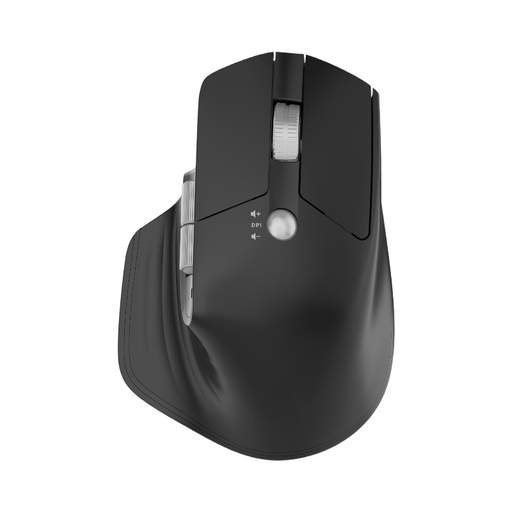
Ochama Bluetooth/2.4G Silent-Click Wireless Mouse
Consider this model if you want quiet-click buttons and the option of a Bluetooth or 2.4G connection. Its title also lists one-touch DPI adjustment; check the mouse's size before choosing it for extended research sessions.
View on Joybuy
 No image available
Rexsun V2 Wired Silent-Click Mouse, Black
Consider this wired option for a fixed desk with a compatible USB port. Its title specifies four buttons, 1000/1200/1600 DPI settings and Windows and Mac compatibility; the cable keeps it tethered, so check its length against your desk layout.
View on Joybuy
 No image available
ET Wireless Gaming Mouse with LED Backlighting
Consider this model if a USB-receiver mouse with adjustable cursor sensitivity suits your laptop setup. Its title lists five adjustable DPI settings and LED backlighting; check which button sounds matter in your room and whether the receiver fits your available port.
View on Joybuy
Common questions
Should I choose Bluetooth or a USB-receiver mouse for my laptop?
Choose Bluetooth if keeping a USB port free matters and your laptop supports it; a receiver mouse suits a dedicated setup with a compatible free port. Check the exact connection and operating-system requirements before buying, particularly if your laptop has only USB-C ports.
Will a different mouse make long archive sessions more comfortable?
A mouse that fits your hand may be easier to use for your research, but its shape is only part of the setup. The Health and Safety Executive advises keeping the mouse within easy reach, using it with a straight wrist and supporting your forearm.
Can I return a mouse bought online in the UK if I change my mind?
For a qualifying online purchase, GOV.UK says you can cancel within 14 days of receiving the item and then have another 14 days to return it. Check how to notify the retailer and inspect the mouse carefully: handling beyond what is needed to assess it can affect the refund. These change-of-mind rules are distinct from remedies for faulty goods.
What if the mouse arrives faulty or is not as described?
A faulty or misdescribed mouse may give you a remedy under UK consumer law, separate from a retailer's change-of-mind policy. GOV.UK explains that the available refund, repair or replacement depends on the circumstances, including when the fault is raised; keep your order details and contact the seller promptly.
How should I dispose of an old computer mouse in the UK?
Use an appropriate electrical-waste collection or take-back route rather than ordinary residual waste. GOV.UK's guidance on waste electrical and electronic equipment describes measures for recovery, reuse and recycling; check what your local authority or retailer accepts.


